
Table of Contents
- Why Lifters Look for Gymreapers Alternatives
- Best Lifting Straps for Deadlifts and Heavy Pulls
- How to Choose the Right Wrist Wraps for Your Training
- Durable Weightlifting Belts for Powerlifting
- Top Gymreapers Alternatives: Feature Comparison
- Material Comparison: Cotton, Nylon, and Leather Lifting Straps
- Injury Prevention and Biomechanics in Lifting Gear Selection
- Beginner vs. Advanced Gear Progression
Last Updated: August 17, 2026
Why Lifters Look for Gymreapers Alternatives
Lifters search for alternatives for three main reasons: cost, specific feature preferences, or access to competition-approved gear. The market has evolved significantly, with newer brands offering comparable quality at lower price points while specialty manufacturers focus on niche needs like grip technology or joint protection. Understanding what separates solid options from wasted money comes down to material quality, tensile strength, durability, and whether the gear suits your specific lift. At PureFitnessWarehouse.com, we've tracked which alternatives deliver real performance benefits versus which ones cut corners, the difference often comes down to construction details most lifters overlook: stitching patterns, padding density, and locking mechanisms that hold up under max effort.
Best Lifting Straps for Deadlifts and Heavy Pulls
The right lifting straps transform your deadlift capacity by offloading grip fatigue and letting you focus on the pull itself, extending your training volume significantly on rows and shrugs where grip becomes the limiting factor before back strength.
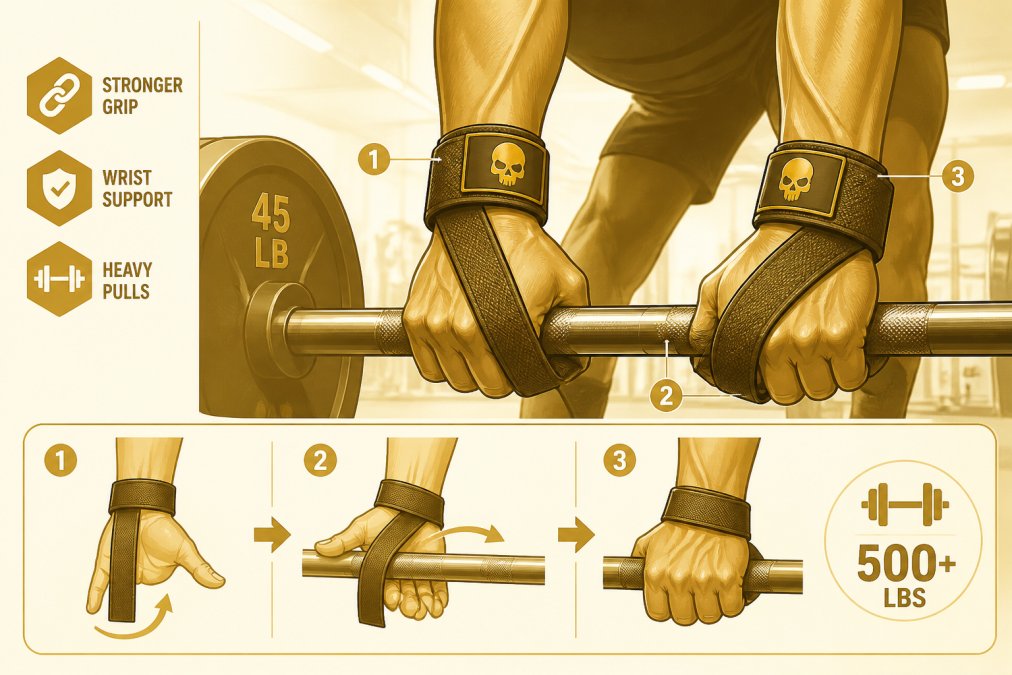
The best lifting straps for deadlifts come down to three design types: figure-8 straps offer the most mechanical advantage and lock your wrists firmly for heavy singles and doubles; lasso straps provide quick on-and-off convenience for high-volume training; Olympic-style wraps give adjustable tension and wrist support. Material matters more than brand recognition. Cotton webbing provides excellent friction and durability but absorbs sweat over time. Nylon offers water resistance and longer lifespan, though some lifters find it slippery when wet. Leather delivers premium feel and exceptional durability but requires maintenance.
Real Steel Athletics delivers gym-tested durability with cotton webbing that provides reliable friction. Iron Bull Strength offers certified durability with a lifetime warranty backing every pair, with reinforced stitching designed for serious training. TuffWraps focuses on premium lifting straps with innovative design details and medical-grade construction, featuring improved locking mechanisms that stay secure through high-rep sets. Nordic Lifting bundles lifting straps with wrist wraps and knee sleeves.
How to Choose the Right Wrist Wraps for Your Training
Wrist wraps prevent excessive wrist extension during heavy pressing and pulling movements, protecting your joints while allowing heavier loading. Wrist wrap length determines support level: shorter wraps (12-18 inches) offer moderate support and mobility for high-rep work; medium wraps (24 inches) balance support with mobility for bench press, overhead press, and front squats; long wraps (36+ inches) provide maximum support for competitive powerlifters. The tightening mechanism affects usability, traditional velcro wraps let you dial in tension precisely, while belt-loop systems like TuffWraps' design speed up the process significantly. Material choice impacts durability: cotton wraps breathe well and provide excellent friction; nylon wraps resist sweat and last longer but can feel slippery; elastic blends offer compression benefits for joint stability.
Stoic knee sleeves come with wrist wraps designed for competition use, IPF-legal and built with heavy-duty compression. TuffWraps' wrist wraps feature their signature belt-loop tightening system that cuts setup time in half, with medical-grade materials providing superior compression. A7 Barbell's wrist wraps pair well with their Bar Grip shirts for lifters prioritizing bench stability.
Durable Weightlifting Belts for Powerlifting
A quality lifting belt provides intra-abdominal pressure support during heavy squats, deadlifts, and overhead presses, allowing you to brace harder and stabilize your spine under load. Belt width affects load distribution: wider belts (4-4.5 inches) spread pressure across your lower back and abdomen for squats and deadlifts; narrower belts (2.5-3 inches) allow more spinal mobility for overhead pressing. For powerlifting, a 4-inch belt covers all three lifts. Material determines durability and performance, leather belts offer superior rigidity and maintain their shape through thousands of reps; neoprene-backed belts provide padding comfort and sweat resistance; combination construction gives you rigidity where needed and comfort where you sit against it. The locking mechanism must stay secure under heavy loading: velcro systems are quick but sometimes slip under extreme pressure; lever systems like SBD's patented design lock rigidly and don't loosen during heavy sets.
SBD Apparel's belts feature their patented gliding lever design that locks with absolute security, with British cowhide construction delivering exceptional durability. Iron Bull Strength offers certified belts with lifetime warranty coverage for serious training. Stoic provides competition-approved belts with heavy-duty compression suitable for max-effort training.
Top Gymreapers Alternatives: Feature Comparison
When evaluating the best gymreapers alternatives for lifting gear, you're comparing across material quality, construction durability, specific support features, price positioning, and warranty coverage.
| Brand | Best For | Key Strength | Starting Price | Warranty |
|---|---|---|---|---|
| Real Steel Athletics | Beginners & value seekers | Free US shipping, everyday pricing | Pricing depends on quantity, dates, and delivery | 12-month warranty |
| Iron Bull Strength | Serious lifters | Certified gear, lifetime warranty | Pricing depends on quantity, dates, and delivery | Lifetime |
| Stoic | Competition lifters | IPF-approved gear, durability | Pricing depends on quantity, dates, and delivery | Limited warranty |
| Nordic Lifting | Budget bundles | Value bundles, Amazon presence | Pricing depends on quantity, dates, and delivery | 1-year |
| TuffWraps | Advanced athletes | Medical-grade materials, innovation | Pricing depends on quantity, dates, and delivery | 6-month |
| SBD Apparel | Competitive powerlifters | Premium quality, federation approval | Pricing depends on quantity, dates, and delivery | Limited warranty |
| A7 Barbell | Bench specialists | Bar Grip technology, stability | Pricing depends on quantity, dates, and delivery | Standard |
Real Steel Athletics: Best Value Option
Real Steel Athletics delivers the strongest value proposition for lifters building their first serious gear collection. Their Complete Lifter Kit bundles straps, wrist wraps, and knee sleeves, with free US shipping. The standout feature is honest everyday pricing without fake sales or promotional tactics. Their straps use gym-tested cotton webbing that provides reliable friction through heavy pulling sessions, and their knee sleeves deliver 7mm compression. The main limitation is limited product range compared to full-line retailers, but for your first complete lifting setup, Real Steel Athletics removes decision paralysis.
Iron Bull Strength: Certified Durability and Warranty
Iron Bull Strength positions itself around certified gear and lifetime warranty coverage, a genuine differentiator in a market where most brands offer standard limited warranties. Their lifting straps use reinforced stitching and strong webbing designed to handle serious training volume. The lifetime warranty removes risk from the purchase decision, if anything fails under normal use, replacement is guaranteed. The trade-off is higher pricing and a free-shipping threshold, but if you're building a complete lifting setup, reaching that threshold makes sense.
Stoic: Competition-Grade Support
Stoic specializes in competition-approved gear that meets IPF standards, making them the natural choice for lifters preparing for sanctioned meets. Their knee sleeves feature internal grip lining that prevents slipping during heavy squats, and their singlets deliver heavy-duty compression suitable for competition demands. For lifters who compete or train with competition intensity, Stoic's focus on meet-ready gear shows in every product detail.
Nordic Lifting: Budget-Friendly Bundles
Nordic Lifting built their business model around bundle pricing and value positioning. The real value emerges when you buy bundles, making sense if you're outfitting yourself completely. Their 1-year warranty provides baseline peace of mind, and their Amazon presence means easy returns if something doesn't work.
TuffWraps: Premium Joint Protection
TuffWraps focuses on medical-grade materials and innovative design details that separate them from commodity alternatives. Their wrist wraps feature the belt-loop tightening system that cuts setup time significantly, a practical benefit for high-volume sessions. Their knee and elbow sleeves emphasize joint protection through superior compression, making them ideal if you're dealing with minor joint discomfort or want preventive support.
SBD Apparel: Premium Competition Gear
SBD represents the premium tier of lifting gear, known for exceptional quality and competition approval across major federations. Their patented gliding lever belt design locks with absolute security, and their British cowhide construction delivers durability that often outlasts the lifters using the equipment. Their 7mm knee sleeves provide excellent compression and maintain their shape through thousands of reps.
A7 Barbell: Specialized Grip Technology
A7 Barbell differentiates through their Bar Grip shirts featuring silicone grip on the back, a specialized feature that prevents slipping during bench press and squats on smooth surfaces. For lifters training in commercial gyms with slippery benches, this feature provides real practical benefit.
Material Comparison: Cotton, Nylon, and Leather Lifting Straps
Cotton webbing provides excellent friction against your hands and the barbell, making it the most popular choice for deadlifts and heavy pulling. Cotton absorbs sweat over time, which can reduce friction slightly during extended sessions, and typically lasts 2-3 years of serious training before fraying. Nylon offers superior durability and water resistance, resisting sweat absorption and maintaining appearance through years of training, though some lifters find it slightly slippery when hands are sweaty. Nylon straps often last 4-5 years before showing significant wear. Leather delivers premium feel and exceptional durability with good friction and ages well with use, though it requires maintenance. High-quality leather straps can last 5-10 years or longer.
For most lifters, the cotton versus nylon choice comes down to training environment and budget. Cotton works excellently for serious training and costs less. Nylon suits lifters who train in humid environments or prefer minimal maintenance. The tensile strength of the material matters more than the specific material type, a well-constructed cotton strap with tight stitching outperforms a poorly made nylon strap. When evaluating alternatives, examine the stitching pattern and seam quality before fixating on material alone.
Injury Prevention and Biomechanics in Lifting Gear Selection
Your lifting gear directly impacts joint stress and injury risk during heavy training. The right support pieces reduce compensatory movement patterns that lead to injury, while poor-fitting gear can actually increase injury risk by encouraging improper positioning.
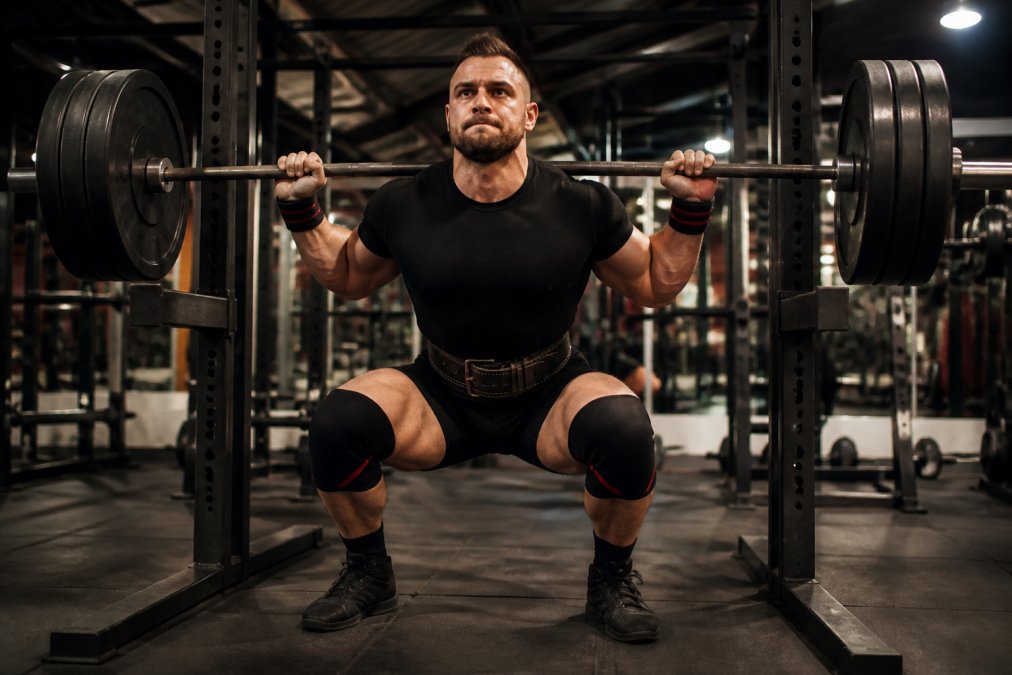
Wrist wraps prevent excessive wrist extension during pressing movements, protecting the small bones and ligaments in your wrist from overload by keeping your wrist in neutral alignment. Knee sleeves provide compression that increases proprioceptive feedback and supports the joint capsule during heavy squats and leg presses, reducing excessive motion that strains ligaments. Lifting belts enable greater intra-abdominal pressure during heavy compound movements, helping you maintain pressure under load and reducing shear stress on your lower back. The ergonomic principle underlying all support gear is this: proper support reduces compensatory movement patterns. When your wrists aren't supported, you unconsciously adjust your grip or arm angle to reduce wrist stress, changing the movement pattern. Support gear lets you maintain optimal positioning through heavy sets, which reduces injury risk and improves performance.
Beginner vs. Advanced Gear Progression
Your gear needs change as your training intensity and volume increase. Beginners benefit from starting with one support piece at a time. Most lifters begin with lifting straps once deadlifts exceed 315 pounds, when grip becomes a real limiting factor. A pair of basic straps from Real Steel Athletics or Nordic Lifting provides everything a beginner needs. After 6-12 months of serious training, advanced beginners typically add wrist wraps for bench and overhead pressing. At this stage, mid-range options like Stoic or TuffWraps offer better construction than budget alternatives. Intermediate lifters often add knee sleeves when training volume increases significantly, and this is when investing in quality matters more for durability. Advanced lifters and competitors upgrade to premium gear like SBD or A7 Barbell, where equipment quality directly impacts performance.
The progression makes financial sense. A beginner spending $200 on a complete premium setup is wasting money on features they won't use. An advanced lifter spending $500+ across multiple premium pieces is making a sound investment in durability and performance.
Finding the right lifting gear comes down to matching your training needs, budget, and commitment level with equipment that actually delivers support. The best gymreapers alternatives for lifting gear span multiple price points and feature sets, with no single "best" option for all lifters. Real Steel Athletics delivers exceptional value for lifters building their first serious setup, with free shipping and honest pricing that removes decision friction. Shop at PureFitnessWarehouse.com to explore their full selection of lifting gear, wearable trackers, and recovery solutions designed to help you reach your personal best through data-driven training.
Frequently Asked Questions
Are Gymreapers alternatives as durable as the original brand?
Many Gymreapers alternatives match or exceed the durability of the original brand. Iron Bull Strength offers a lifetime warranty on many products, while Stoic and SBD Apparel use high-tensile materials designed for competitive powerlifting. Real Steel Athletics and Nordic Lifting provide 1-year warranties on their lifting straps and knee sleeves. Durability depends on material quality and construction, neoprene padding and cotton webbing in premium alternatives often outperform cheaper options over time.
What should I look for when choosing the right wrist wraps for heavy lifting?
When selecting wrist wraps, prioritize wrist support quality, material grip, and adjustability. Look for wraps with a belt-loop tightening system (like TuffWraps offers) for consistent compression. Check the material, neoprene provides better grip and comfort than standard cotton. Consider length: longer wraps (18 inches) offer more support for bench press, while shorter wraps (12 inches) work for deadlifts. Test the locking mechanism to ensure it stays tight throughout your set without cutting off circulation.
Which Gymreapers alternatives are best for beginners?
Real Steel Athletics and Nordic Lifting are ideal for beginners. Real Steel Athletics offers a Complete Lifter Kit with straps, wraps, and knee sleeves for under $40, plus free shipping on every order. Nordic Lifting provides budget-friendly bundles with a 1-year warranty. Both brands offer gym-tested gear that supports proper technique without overwhelming cost. As you progress to heavier loads and competition, you can upgrade to premium brands like SBD or Stoic for advanced joint stability and load capacity.
Do I need lifting straps, wrist wraps, and a belt, or can I choose just one?
Your choice depends on your lift and training goal. Lifting straps primarily improve deadlift and row grip when your forearms fatigue before your back. Wrist wraps stabilize your wrist during bench press and overhead lifts. Weightlifting belts provide core stability during squats and deadlifts. Many lifters use all three for heavy pulling and lower-body work. Beginners can start with straps for deadlifts, then add wrist wraps as they progress to heavier bench press work. Belts become essential once you're lifting 1.5x bodyweight on squats.
How often should I replace lifting straps and wrist wraps?
With proper care, quality lifting straps last 2-3 years of regular training. Wrist wraps typically last 1-2 years depending on material and frequency of use. Neoprene and cotton webbing show wear faster than leather, but proper cleaning extends lifespan. Replace straps if the stitching tears, webbing frays, or the locking mechanism fails. Replace wrist wraps if the elastic loses tension or padding compresses unevenly. Store gear in a dry location and wash after sweaty sessions to maximize durability.
This article was written using GrandRanker