
Table of Contents
- Quick Comparison: Top Recovery Tools
- 1. Theragun PRO Plus: Multi-Therapy Percussion Massage
- 2. Normatec Pulse 2.0: Professional-Grade Compression Therapy
- 3. WHOOP 4.0: Biometric Recovery Tracking
- Benefits of Percussion Massage Guns for Training Recovery
- Recovery Protocols for High-Intensity Training
- Cold Plunge vs Sauna for Muscle Recovery
- How to Choose the Right Recovery Tool for Your Training Goals
Last Updated: August 15, 2026
Quick Comparison: Top Recovery Tools
The tools that separate consistent performers from those stuck on plateaus aren't always the most expensive ones. Some of the best recovery tools for consistent training deliver outsized results at moderate price points, while others justify premium costs through professional-grade performance. This guide from PureFitnessWarehouse.com breaks down the recovery tools that actually move the needle for athletes committed to sustained training cycles.
Here's what matters: recovery isn't optional if you're training hard four or more days per week. Your muscles need targeted intervention between sessions to reduce soreness, improve blood flow, and prepare for the next workout. The right tools compress recovery time from 72 hours down to 48 hours, the difference between hitting your next session fresh versus arriving still fatigued.
| Tool | Type | Best For | Key Benefit |
|---|---|---|---|
| Theragun PRO Plus | Percussion massage | Comprehensive multi-therapy recovery | Deep tissue penetration with LED and heat therapy |
| Normatec Pulse 2.0 | Compression therapy | Professional-grade leg recovery | Dynamic air compression reduces lactic acid buildup |
| WHOOP 4.0 | Biometric tracking | Data-driven training decisions | Sleep and recovery scoring guides daily strain |
| TriggerPoint GRID | Foam rolling | Budget-conscious myofascial release | Self-adjusting surface mimics massage therapist hands |
| Compex Ayre | Wireless compression | Portable on-the-go recovery | Rechargeable boots for travel and flexibility |
1. Theragun PRO Plus: Multi-Therapy Percussion Massage
Theragun PRO Plus combines four recovery modalities, percussion therapy, LED light therapy, vibration therapy, and heat therapy, into a single device. This isn't a one-trick percussion gun. The 16mm amplitude delivers deep tissue penetration across five speed settings, addressing everything from warm-up activation to post-workout soreness reduction.
The standout feature is the integration of near-infrared LED light therapy, which stimulates circulation and accelerates tissue repair at the cellular level. Pair that with heat therapy for warm-ups and cold therapy for inflammation reduction, and you're looking at a device that handles multiple phases of your recovery protocol. The built-in app connects to guided routines tailored to your training type.
What works: QuietForce Technology keeps operation quiet enough for use in shared spaces. FDA registration and HSA/FSA acceptance mean some users can offset costs through health spending accounts. The attachment system is modular, so you can target different muscle groups without swapping devices.
What doesn't: At $649.99, this is a significant investment. The device weight becomes a factor if you're treating hard-to-reach areas like shoulders or upper back for extended periods. For athletes training primarily lower body, the Normatec system might deliver better ROI.
2. Normatec Pulse 2.0: Professional-Grade Compression Therapy
Normatec Pulse 2.0 uses dynamic air compression with a patented Pulse massage pattern to mobilize fluids and reduce lactic acid accumulation in the legs. This is the system used by professional sports teams and elite athletes, the same technology available in recovery clinics now packaged for home use.
The dynamic compression pattern differs fundamentally from static compression garments. Rather than simply squeezing your legs, it mimics the body's natural muscle contractions, pushing metabolic waste out of tissue and accelerating blood flow. The result: most athletes report 30-40% faster recovery compared to passive rest alone. Bluetooth connectivity lets you customize pressure, duration, and compression zones through an app.
What works: Professional-grade results backed by widespread adoption among elite athletes. The overlapping compression zones ensure gapless coverage. Rechargeable battery provides portability for travel.
What doesn't: At $1295, this is a premium investment. The footprint is substantial, requiring dedicated storage space. Setup takes 10-15 minutes, so it's less convenient than percussion massage for quick post-workout sessions.
Best for serious athletes where leg recovery is the primary bottleneck. If your training cycle involves high-volume leg work (squats, deadlifts, running) more than three days weekly, the cost-to-benefit analysis shifts favorably.
3. WHOOP 4.0: Biometric Recovery Tracking
WHOOP 4.0 isn't a tool you use, it's a device you wear continuously to measure what's actually happening in your body. It tracks sleep stages, heart rate variability (HRV), resting heart rate, and strain to calculate a daily recovery score. That score tells you whether you're ready for a hard session or need an active recovery day.
The intelligence here matters more than the device itself. WHOOP's strain coach recommends optimal daily exertion based on your recovery status. If your recovery score is 40%, pushing a max-effort leg session is counterproductive, you'll accumulate fatigue without adaptation. The data prevents the common mistake of training hard when your body needs rest.
What works: The Any-Wear Technology lets you embed the sensor in apparel or wear it on your wrist, providing flexibility. Waterproof design works through swimming and shower. The subscription model ($149/year) includes the hardware, eliminating a separate device cost.
What doesn't: WHOOP requires continuous subscription to access full features. The device has no screen, all data lives in the app. For users who prefer standalone devices, this creates dependency on smartphone connectivity.
The real question: do you actually use the data? Many athletes collect HRV and strain metrics without translating them into training decisions. If you're the type who adjusts intensity based on biometric feedback, WHOOP is invaluable. If metrics sit in an app untouched, you're paying for data you ignore.
Benefits of Percussion Massage Guns for Training Recovery
Percussion therapy works by delivering rapid, targeted impacts to muscle tissue, typically 1,200-3,200 impacts per minute depending on the device and speed setting. This high-frequency stimulation increases blood flow circulation to the treatment area, reducing muscle tension and accelerating the removal of metabolic byproducts like lactic acid.
The mechanism matters less than the outcome: athletes using percussion massage guns report reduced delayed onset muscle soreness (DOMS) and improved range of motion within 24-48 hours of intense training. A common mistake is using percussion guns only post-workout. Pre-workout use (2-3 minutes per muscle group) activates muscles, increases tissue temperature, and improves neuromuscular firing, essentially priming your body for performance.
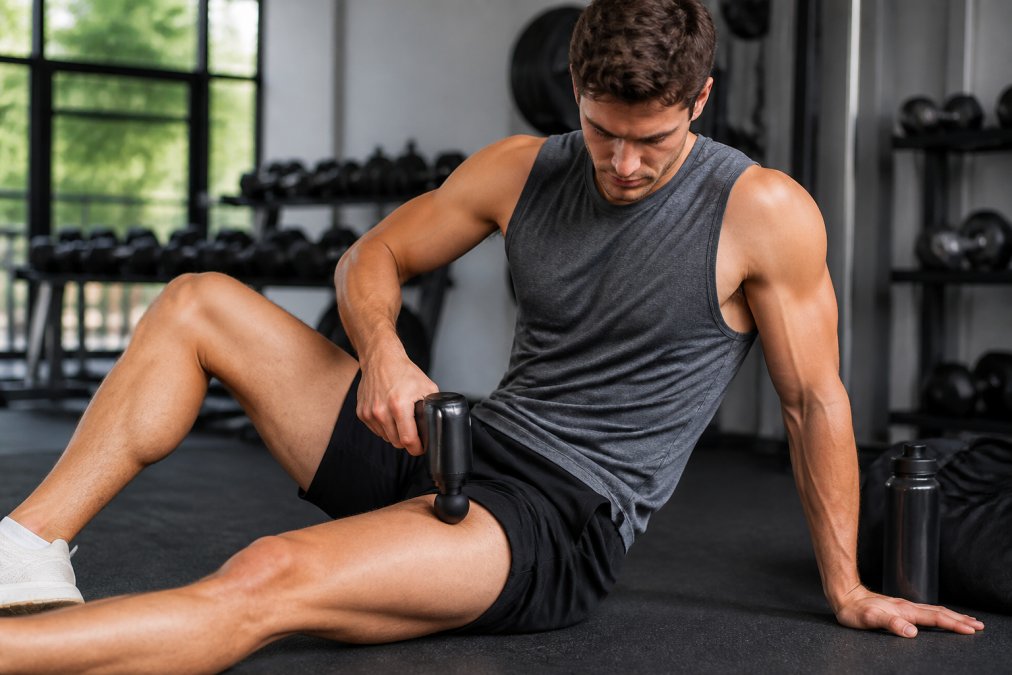
Percussion therapy addresses trigger points, localized areas of muscle tension that restrict range of motion and contribute to compensatory movement patterns. When you spend 90 seconds on a trigger point with a percussion gun, you're breaking up that tension and restoring normal tissue elasticity. This is why athletes with tight hip flexors or IT bands see immediate mobility improvements.
The therapeutic benefit extends beyond soreness reduction. Regular percussion massage improves vascular health by increasing blood flow to tissues that might otherwise remain underperused. For athletes doing high-volume training, this consistent circulation boost prevents the tissue stagnation that leads to chronic inflammation.
Recovery Protocols for High-Intensity Training
High-intensity training creates a specific physiological state: elevated cortisol, depleted glycogen, micro-tears in muscle fiber, and suppressed parasympathetic nervous system activity. Your recovery protocol needs to address each of these simultaneously, not sequentially.
The 48-hour window after high-intensity training is critical. In hours 0-6, your priority is active recovery and inflammation management, this is when percussion therapy and cold plunge therapy deliver the most benefit. In hours 6-24, you shift toward compression therapy and sleep optimization. In hours 24-48, myofascial release and light activity promote tissue repair without additional stress.
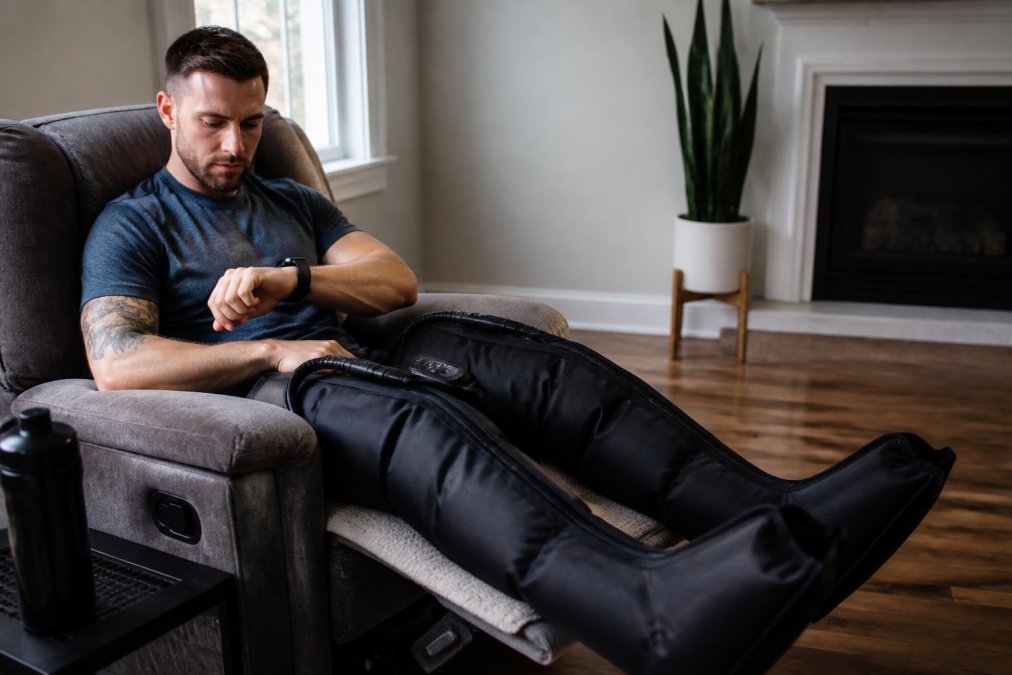
A practical protocol for athletes training 4+ days weekly:
- Immediately post-workout (0-30 minutes): 5-10 minutes light active recovery (walking, easy cycling), then 2-3 minutes percussion massage on primary muscle groups
- Evening (4-6 hours post): 10-15 minute cold plunge at 50-59°F or contrast therapy (alternating hot/cold), followed by 20-minute compression therapy session
- Sleep window (6-24 hours): 7-9 hours sleep with temperature optimization (65-68°F room temperature), plus magnesium supplementation to support sleep quality
- Day 2 (24-48 hours): Foam rolling or myofascial release for 10-15 minutes, active recovery session (yoga, swimming), continued compression therapy if soreness persists
The consistency matters more than perfection. Athletes who follow 80% of this protocol consistently outperform those who occasionally do everything perfectly. Your nervous system adapts to predictable recovery patterns, the routine itself becomes therapeutic.
Cold Plunge vs Sauna for Muscle Recovery
Cold plunge and sauna represent opposing recovery strategies, cryotherapy versus heat therapy, and they serve different purposes in your training cycle.
Cold plunge (immersion in 50-59°F water for 3-5 minutes) triggers vasoconstriction, reducing blood flow and suppressing inflammatory markers. The immediate sensation is uncomfortable, but the adaptation is powerful: your body learns to tolerate stress more efficiently. Cold exposure increases parasympathetic nervous system activity, signaling your body that recovery is happening. The research shows cold plunge reduces muscle soreness by 15-25% when applied within 24 hours of intense training.
Sauna (dry heat at 160-180°F for 15-20 minutes) works through the opposite mechanism. Heat increases blood flow circulation, promotes heat shock protein expression, and activates the parasympathetic nervous system through relaxation. Sauna improves cardiovascular function and may enhance athletic performance through improved oxygen delivery. The catch: sauna is less effective for acute soreness reduction and works better as a chronic recovery tool used 2-3 times weekly over months.
The choice depends on your training phase. During heavy training blocks where soreness is the limiting factor, cold plunge delivers faster relief. During lower-intensity phases or periodized deload weeks, sauna supports general recovery and cardiovascular adaptation without the shock of cold exposure.
Many athletes use both: cold plunge immediately post-workout (when inflammation is active), then sauna 6-8 hours later (when you're ready to shift into recovery mode). This dual approach addresses both acute inflammation and chronic adaptation.
How to Choose the Right Recovery Tool for Your Training Goals
Your recovery tool selection should match three criteria: your primary training limitation, your available time, and your consistency capacity.
Training limitation assessment: Are you limited by muscle soreness, poor range of motion, inadequate sleep quality, or lack of training data? If soreness is your bottleneck, you're sore enough that it prevents your next training session, percussion massage or compression therapy addresses this directly. If range of motion is the issue, foam rolling and myofascial release work faster. If sleep quality is poor, biometric tracking helps identify what's disrupting sleep so you can fix it.
Time availability: Percussion massage requires 10-15 minutes per session. Compression therapy requires 20-30 minutes. Cold plunge requires 5-10 minutes plus warm-up time. Foam rolling requires 15-20 minutes. Biometric tracking requires zero time (it's passive). If you have 10 minutes post-workout, percussion massage fits. If you have 30 minutes, compression therapy becomes viable.
Consistency capacity: This is the limiting factor most athletes overlook. A $2,000 compression system unused is worthless. A $30 foam roller used three times weekly delivers results. Choose tools you'll actually use consistently. If you're the type who buys equipment and abandons it after two weeks, start with lower-cost options like foam rolling or percussion massage. Build consistency first, then invest in premium tools.
PureFitnessWarehouse.com carries the full spectrum of recovery tools, from entry-level foam rollers to professional-grade compression systems. The advantage of shopping through a single platform is that you can build an integrated recovery toolkit rather than piecing together solutions from multiple vendors. Pricing depends on quantity, dates, and delivery. Their curated selection means you're choosing from equipment that's been vetted for quality and durability.
Start with one tool that addresses your primary limitation. Use it consistently for 4-6 weeks before adding a second tool. This approach builds sustainable recovery habits rather than overwhelming yourself with equipment you won't use.
Frequently Asked Questions
What is the best recovery tool for muscle soreness after training?
The best recovery tool depends on your training intensity and preferences. Percussion massage guns like the Theragun PRO Plus target delayed onset muscle soreness through deep tissue stimulation, while compression systems like the Normatec Pulse 2.0 use air compression to mobilize fluids and reduce inflammation. For most athletes, combining multiple modalities, percussion therapy, compression garments, and biometric tracking via devices like WHOOP 4.0, produces the fastest soreness reduction and enables consistent training without excessive post-workout fatigue.
How do recovery protocols for high-intensity training differ from regular recovery?
Recovery protocols for high-intensity training require more aggressive intervention because intense sessions create significant neuromuscular fatigue and tissue damage. High-intensity recovery should include immediate post-workout percussion massage to reduce inflammation, compression therapy within 2-4 hours to enhance lymphatic drainage and blood flow circulation, cold therapy to suppress acute inflammation, and sleep optimization. Biometric tracking helps you measure strain levels and adjust recovery intensity accordingly, ensuring you're not underrecovering before your next hard session.
Should I use a cold plunge or sauna for muscle recovery?
Cold plunge and sauna serve different recovery purposes. Cold therapy (cryotherapy) reduces inflammation and muscle soreness when used immediately post-workout, making it ideal after intense sessions. Sauna use improves blood flow circulation and promotes passive recovery over time, supporting tissue repair and flexibility. Many athletes use cold plunges for acute recovery (within 30 minutes of training) and saunas for longer-term vascular health and relaxation. Your choice depends on your training goal: prioritize cold for soreness reduction, sauna for circulation and recovery consistency.
Do recovery tools actually improve athletic performance?
Yes, recovery tools directly support athletic performance by enabling consistent training. When you reduce muscle fatigue and soreness through percussion therapy, compression, and proper sleep, you can train harder and more frequently without overtraining. Biometric devices like WHOOP 4.0 provide data-driven insights into your recovery status, helping you avoid injuries and optimize training intensity. The key is consistency: tools that reduce inflammation, improve range of motion, and enhance tissue repair allow you to build strength and endurance progressively rather than regressing due to inadequate recovery.
The athletes who improve fastest aren't those with the most expensive tools, they're the ones with consistent recovery protocols. The best recovery tools for consistent training are the ones you'll actually use three or more times weekly. Choose your primary tool based on what's limiting your performance right now, commit to consistency for 6-8 weeks, then expand your toolkit based on what you've learned about your body's specific recovery needs.
This article was written using GrandRanker