
Table of Contents
- Understanding Delayed Onset Muscle Soreness (DOMS)
- How Long Does DOMS Last and When to Worry
- Hydration and Electrolyte Balance for Muscle Recovery
- Active Recovery Exercises for Legs to Reduce Soreness
- Ice vs Heat Therapy: When to Use Each for Sore Muscles
- Benefits of Foam Rolling for Legs and Muscle Release
- Nutrition, Sleep, and Supplements to Speed Leg Soreness Recovery
- Best Ways to Prevent Leg Soreness Before It Starts
Last Updated: August 19, 2026
Understanding Delayed Onset Muscle Soreness (DOMS)
Delayed onset muscle soreness, commonly called DOMS, is the muscle pain and stiffness that develops 24-72 hours after intense or unfamiliar exercise. It results from micro-tears in muscle fibers during training, particularly during eccentric movements (the lowering phase). Your body's inflammatory response brings blood flow and immune cells to damaged tissue, triggering repair and adaptation.
Most people mistakenly treat DOMS like an injury. It's not. Severe soreness doesn't mean you've damaged yourself; it means your body isn't accustomed to that movement pattern or intensity. Experienced lifters still get sore after new exercises or volume increases. The key insight: DOMS is temporary, manageable, and doesn't require stopping training. Athletes who understand this distinction train more consistently because they don't fear the soreness that follows productive sessions.
How Long Does DOMS Last and When to Worry
Most DOMS cases resolve within 3-5 days, though lingering stiffness can persist up to a week depending on training intensity and recovery approach. Beginners and those returning after time off experience more pronounced soreness as their bodies adapt to novel movement patterns.
Soreness typically follows a predictable pattern: mild on day one, peaks on day two, gradually improves days three and four, and mostly resolves by day five. Distinguish DOMS from injury: DOMS is symmetrical, improves with light movement, and doesn't worsen with gentle activity. True injury presents as sharp localized pain, swelling that doesn't improve after 48 hours, or significant asymmetry. If you experience these symptoms, rest and consult a healthcare provider rather than pushing through.
One common mistake is confusing DOMS severity with workout effectiveness. A brutally sore session isn't necessarily more productive than one with mild soreness. What matters is consistent progression and sustainable training volume.
Hydration and Electrolyte Balance for Muscle Recovery
Hydration is foundational for recovery because water supports every physiological process involved in reducing leg soreness and repairing muscle tissue. When dehydrated, blood volume decreases, reducing circulation to damaged muscle and slowing nutrient delivery and metabolic byproduct removal.
Drink enough water throughout the day to maintain pale urine color. A general guideline is half your body weight in ounces per day as a baseline, then add 16-24 ounces for every hour of training. Electrolytes matter equally. During intense leg training, you lose sodium, potassium, magnesium, and calcium through sweat. These minerals regulate muscle contraction, nerve signaling, and fluid balance. Replacing water without electrolytes actually impairs your body's ability to retain and use the water you drink.
Research from the American College of Sports Medicine emphasizes that electrolyte replacement becomes critical during training lasting over 60 minutes or in hot conditions. The Rapid Rehydr8 Electrolyte Capsules from PureFitnessWarehouse.com provide a balanced blend of sodium, potassium, magnesium, and calcium in capsule form at $24.95. Consume electrolytes during and immediately after training when your body's ability to absorb and use these minerals is highest.

| Electrolyte | Role in Recovery | Primary Sources |
|---|---|---|
| Sodium | Fluid retention, nerve signaling | Salt, electrolyte supplements |
| Potassium | Muscle contraction, cellular function | Bananas, coconut water, supplements |
| Magnesium | Muscle relaxation, energy production | Leafy greens, nuts, magnesium supplements |
| Calcium | Muscle contraction, bone health | Dairy, fortified foods, supplements |
Active Recovery Exercises for Legs to Reduce Soreness
Active recovery means moving gently without pushing intensity, light walking, easy cycling, or slow swimming. Gentle movement increases circulation to sore muscles without creating additional micro-tears, accelerating removal of inflammatory byproducts and speeding nutrient delivery.
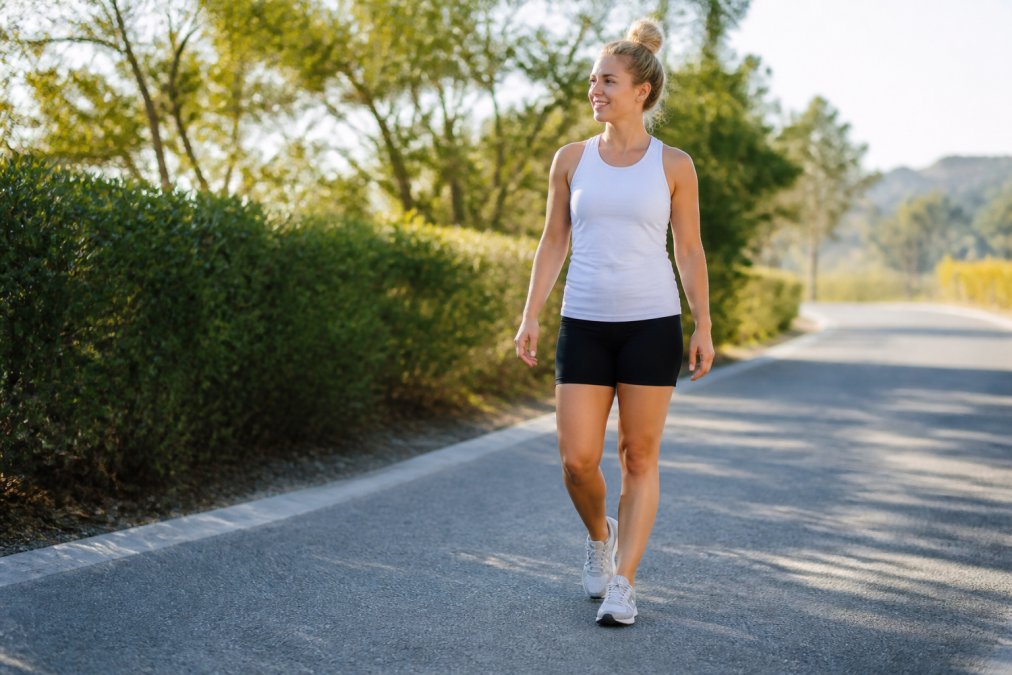
The best active recovery happens the day after your leg workout. A 15-30 minute easy walk at a conversational pace is one of the most effective interventions available. Light stretching also reduces soreness, but avoid aggressive stretching immediately after hard training. Instead, gentle range-of-motion work 6-24 hours later helps restore mobility. Hold stretches for 20-30 seconds without bouncing, focusing on quadriceps, hamstrings, calves, and glutes.
Foam rolling with proper technique reduces muscle tightness and enhances circulation. The YOGO Balance Pad Half Round EVA Foam Roller from PureFitnessWarehouse.com ($10.00) provides a portable recovery tool. Roll slowly over tight areas for 60-90 seconds per muscle group. Light yoga or Pilates-style movement also works well. The most overlooked strategy is maintaining normal daily movement, walking to work, taking stairs, or light household tasks all contribute to circulation and soreness reduction.
Ice vs Heat Therapy: When to Use Each for Sore Muscles
Ice and heat serve different purposes. Ice reduces inflammation and numbs pain, use it immediately after training (within 2-4 hours) if you notice significant swelling. Apply ice for 10-15 minutes, remove for 10-15 minutes, and repeat 2-3 times. After 48 hours, ice becomes less useful as the inflammatory phase naturally progresses to repair.
Heat increases circulation and relaxes tight muscles. Use heat for days 2-5 of DOMS when acute inflammation has peaked. A warm bath or heating pad applied for 15-20 minutes increases muscle elasticity and reduces stiffness. The practical protocol: ice immediately post-workout if swelling is present, then switch to heat starting 24-48 hours later.
Compression also helps reduce soreness. The Sport Knee Sleeve Support from PureFitnessWarehouse.com ($25.99) provides graduated compression that improves circulation and reduces swelling. Wear compression sleeves during recovery days and light activity. Many athletes wear compression during sleep on sore nights because gentle pressure reduces nighttime stiffness and improves sleep quality.
Benefits of Foam Rolling for Legs and Muscle Release
Foam rolling reduces leg soreness by breaking up adhesions in muscle tissue and increasing localized circulation. Sustained pressure on tight muscle tissue stimulates blood flow and triggers the muscle to relax, reducing stiffness and soreness.
The most effective approach is slow, deliberate rolling. Spend 60-90 seconds on each major muscle group (quads, hamstrings, glutes, calves) rather than quickly rolling back and forth. When you find a particularly tight spot, pause and hold pressure for 10-15 seconds. The best window is 4-6 hours after training or during your active recovery day.
The Pilates Natural Cork Ball from PureFitnessWarehouse.com ($23.00) complements larger foam rollers perfectly. The cork construction provides firm pressure without aggression, and the compact size targets smaller areas like glute trigger points. Research indicates that foam rolling combined with stretching produces better soreness reduction than either strategy alone. One critical point: foam rolling doesn't prevent DOMS, it reduces severity and improves recovery speed.
Nutrition, Sleep, and Supplements to Speed Leg Soreness Recovery
Nutrition directly impacts how quickly your body repairs muscle tissue and reduces inflammation. The most important nutrients are protein (for muscle repair), carbohydrates (for replenishing energy stores), and micronutrients that support inflammation management.
Protein timing matters less than total daily intake. Consume enough total protein throughout the day (roughly 0.7-1 gram per pound of body weight) spread across 3-4 meals. Your body can only use about 25-40 grams of protein per meal for muscle repair. Carbohydrates replenish muscle glycogen depleted during intense leg training. Eat a meal containing both protein and carbs within 2-3 hours after training.
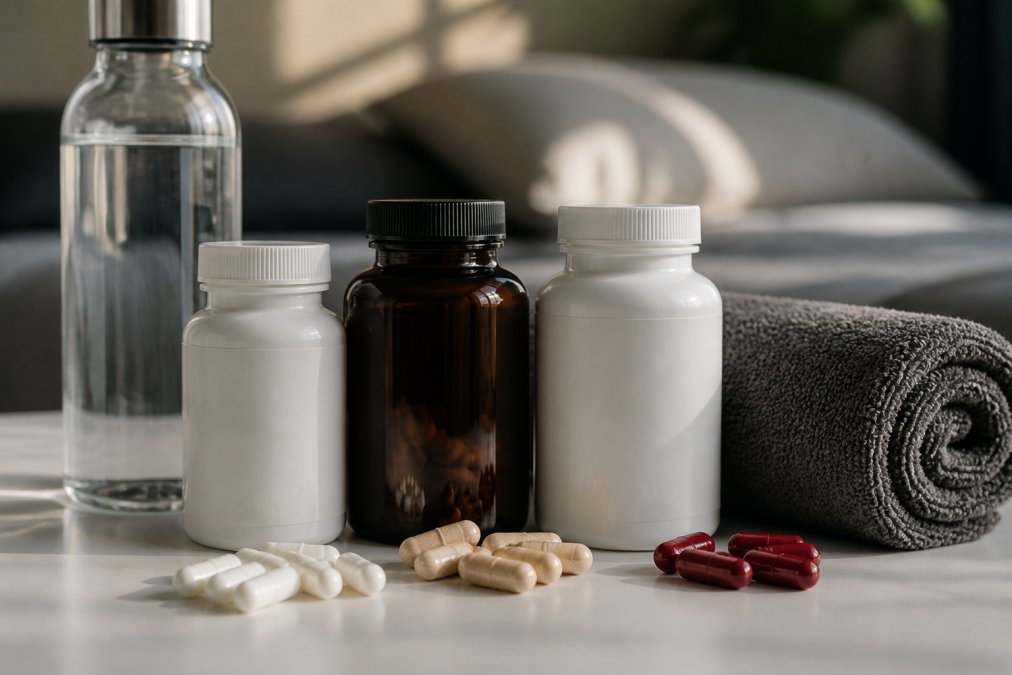
Magnesium supports muscle relaxation and reduces inflammation. Many athletes are magnesium-deficient, worsening soreness and impairing sleep. The Magnesium Glycinate 500mg from PureFitnessWarehouse.com ($19.99) provides a highly absorbable form. Take it 1-2 hours before bed. Tart cherry has demonstrated benefits for reducing soreness and inflammation. Studies on tart cherry juice supplementation show athletes consuming tart cherry extract experience reduced muscle soreness and faster recovery. The Tart Cherry supplement from PureFitnessWarehouse.com ($29.99) provides concentrated antioxidants. Take it daily, particularly on training days.

Sleep is where actual repair happens. During deep sleep, your body increases growth hormone production and prioritizes muscle protein synthesis. Target 7-9 hours of consistent sleep. If you struggle with sleep quality, magnesium formulas support deeper sleep cycles and reduce nighttime restlessness.
| Nutrient/Supplement | Purpose | Dosage | Product Example |
|---|---|---|---|
| Protein | Muscle repair | 0.7-1g per lb bodyweight daily | Any quality source |
| Magnesium | Muscle relaxation, sleep | 300-500mg daily | Magnesium Glycinate 500mg |
| Tart Cherry | Anti-inflammatory | 1-2 servings daily | Tart Cherry Bottle 60 Count |
| Electrolytes | Hydration balance | During/after training | Rapid Rehydr8 Capsules |
Best Ways to Prevent Leg Soreness Before It Starts
Prevention is more effective than treatment. The primary strategy is progressive overload, increasing training stimulus gradually rather than making sudden jumps in volume or intensity. Increase volume or intensity by no more than 10% per week. If you did 10 sets of squats last week, do 11 this week.
Consistency matters more than intensity. Athletes training legs regularly experience significantly less soreness than those training sporadically. Someone training legs once per week will be sore after each session; someone training twice per week adapts substantially by week 3-4.
Adequate warm-up before training reduces soreness. A 5-10 minute general warm-up followed by specific warm-up sets prepares your muscles for the work ahead. Recovery between sessions matters enormously. Ensure adequate sleep, sufficient nutrition, and stress management. Hydration before training supports muscle function and reduces soreness. The most overlooked prevention strategy is movement quality. Poor form increases muscle damage and inflammation because you're recruiting muscles inefficiently. Perfecting technique with lighter weight reduces soreness from future training significantly.
Persistent leg soreness after training is frustrating but manageable and temporary. The most effective approach combines hydration and electrolyte balance, active recovery movement, strategic ice and heat use, and proper nutrition and sleep. At PureFitnessWarehouse.com, we've assembled recovery tools that make implementation practical: electrolyte capsules, magnesium supplements, tart cherry for inflammation management, and recovery equipment like foam rollers and compression sleeves. Start with hydration and sleep, these foundational elements amplify everything else you do for recovery.

Frequently Asked Questions
What gets rid of sore legs fast?
The fastest relief combines hydration with electrolytes (like Rapid Rehydr8), light movement, and compression. Ice therapy within 48 hours of your workout reduces inflammation quickly. Magnesium supplements (such as Magnesium Glycinate 500MG at $19.99) support muscle relaxation and can provide relief within hours. Most athletes see noticeable improvement within 24-48 hours using this combination approach.
How long does DOMS last, and is it normal?
Delayed onset muscle soreness typically peaks 24-72 hours after intense leg training and resolves within 5-7 days. This is normal and indicates your muscles are adapting. However, sharp, localized pain that doesn't improve or worsens after a week may signal injury. If soreness prevents normal movement or is accompanied by swelling, consult a healthcare provider to rule out strain or damage.
Is it better to rest or move when my legs are sore?
Light active recovery is more effective than complete rest. Gentle walking, easy cycling, or stretching increases blood flow and circulation, which accelerates tissue repair and reduces stiffness. Avoid intense training on sore legs, instead, perform low-impact movement for 15-20 minutes to promote recovery without creating additional micro-tears. Complete rest can actually prolong soreness.
Do supplements like tart cherry and magnesium really help with leg soreness?
Yes. Tart cherry ($29.99) limits inflammation and oxidative stress from training, supporting blood flow and reducing soreness duration. Magnesium supports muscle relaxation and electrolyte balance, Magnesium Glycinate 500MG ($19.99) is highly bioavailable and helps prevent cramping and muscle tightness. Combined with hydration and active recovery, these supplements measurably reduce soreness severity within 48 hours.
This article was written using GrandRanker