
Table of Contents
- What Makes Quality Fitness Gear Worth the Investment
- Best Home Gym Equipment for Small Spaces
- How to Build a Home Gym on a Budget
- Key Equipment Categories for a Complete Home Gym
- Home Gym Equipment Maintenance Tips
- Durability, Resale Value, and Long-Term ROI
- Integrating Wearable Tech With Your Home Gym Setup
- Used vs. New Equipment: What Makes Sense
Last Updated: August 12, 2026
What Makes Quality Fitness Gear Worth the Investment
Quality fitness gear differs fundamentally from cheap equipment that fails within months. The difference lies in durability, performance consistency, and long-term support for your fitness goals.
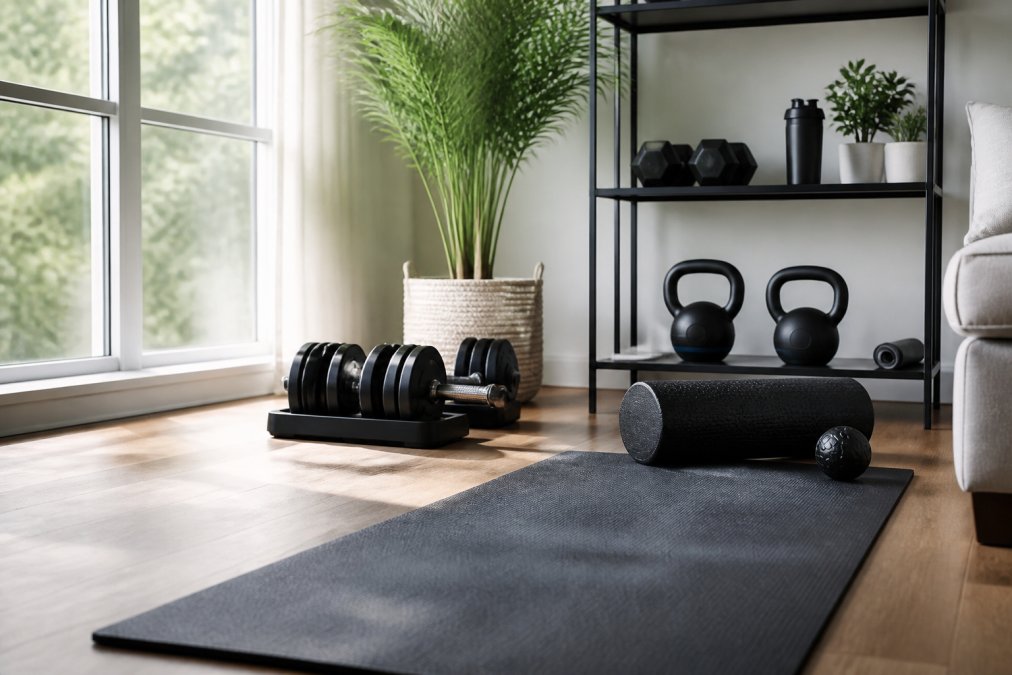
Quality gear builds workout confidence, holds resale value, and delivers measurable performance improvements that compound over time. At PureFitnessWarehouse.com, we've observed a clear pattern: customers who start with quality equipment stay consistent, while those buying the cheapest option often quit within six months due to frustration with wobbly benches, unbalanced dumbbells, and unstable platforms.
The real cost of cheap equipment isn't initial savings, it's replacement cycles, wasted workouts on unstable platforms, and missed progress. According to research from the American Council on Exercise, proper equipment setup directly impacts exercise effectiveness and injury prevention, factors that influence long-term adherence to fitness routines.
Quality equipment also adapts to your evolving fitness level. An adjustable dumbbell set that grows from 5 to 50 pounds eliminates repurchasing as you progress. A sturdy weight bench handling both light dumbbell work and heavy barbell pressing removes equipment limitations from training decisions.
This guide walks you through specific equipment categories, building a complete home gym within realistic budgets, and evaluating durability and resale value so your equipment remains an asset.
Best Home Gym Equipment for Small Spaces
Small spaces demand strategic equipment choices. You can build a functional home gym delivering serious results using compact, multi-purpose tools.
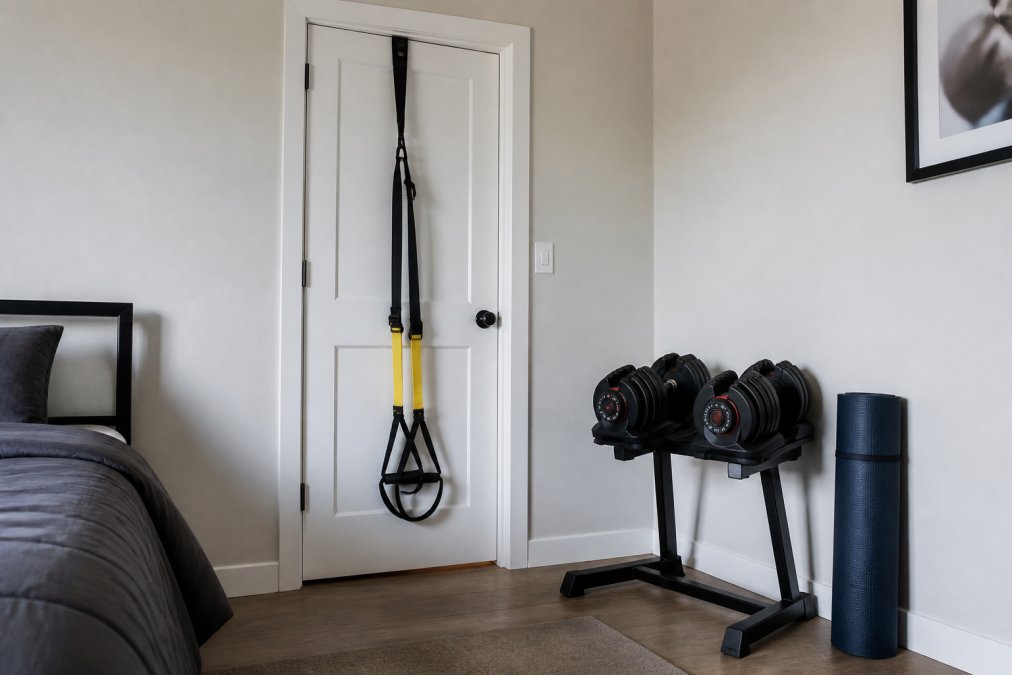
Select equipment serving multiple functions and storing efficiently. Adjustable dumbbells replace 15 traditional sets in a shoebox-sized footprint. Suspension trainers mount on any door frame and weigh less than a pound. Resistance bands provide full resistance curves while taking minimal space.
Space-efficient solutions don't require compromising training quality. Effective workouts use compound movements, squats, deadlifts, rows, presses, which work perfectly in minimal space. Progressive overload, the fundamental strength training principle, depends on gradually increasing resistance, not on having dozens of tools.
Adjustable Dumbbells and Suspension Systems
Adjustable dumbbells are the single best space-saving strength investment for apartments and small homes. The Bowflex SelectTech 552 Dumbbells adjust from 5 to 52.5 pounds in 2.5-pound increments, replacing 15 traditional sets while occupying roughly the space of two shoe boxes.
Suspension systems like the TRX All-in-One Suspension Training System take minimalism further. A suspension trainer mounts on any sturdy door frame and enables over 100 exercises using bodyweight as resistance. The entire system weighs under two pounds and stores in a mesh bag, requiring zero floor footprint.
Suspension training's effectiveness for functional fitness comes from instability. Unlike a traditional bench press with a fixed bar path, suspension training forces stabilizer muscles to work harder, transferring directly to real-world strength and movement quality.
Compact Cardio and Recovery Tools
A rowing machine like the Concept2 RowErg is only about 4 feet long and 2 feet wide, yet provides full-body, low-impact cardiovascular work. The air-resistance flywheel creates smooth, natural rowing motion. The PM5 Performance Monitor tracks data without requiring subscriptions or power outlets.

A massage gun like the Theragun PRO delivers percussive therapy for deep muscle relief without requiring floor space. Five minutes post-workout noticeably reduces next-day soreness, enabling consistent training.
For yoga and mobility work, a high-quality yoga mat like the Manduka PRO Yoga Mat 6mm provides stability and cushioning for proper form without requiring storage beyond rolling it up.
How to Build a Home Gym on a Budget
Building a functional home gym doesn't require thousands of dollars, it requires strategic choices about what drives progress versus what sits unused.
Start by identifying your primary training goal. Strength training, cardiovascular endurance, or functional fitness each have different equipment priorities.
Start With Strength Training Essentials
Strength training forms the foundation of most effective home workouts because it builds muscle, increases metabolic rate, and provides measurable progress tracking.
A quality adjustable dumbbell set like the Bowflex SelectTech 552 covers primary strength needs. Dumbbells enable pressing, rowing, and loaded carries, fundamental movement patterns that build strength. Add a sturdy adjustable bench like the REP Fitness AB-3000, which provides incline and decline positions and supports heavy loads.
This combination covers roughly 80 percent of effective strength training exercises. For tighter budgets, resistance bands provide variable resistance at a fraction of dumbbell cost.
Add Cardio and Functional Training
After establishing strength capacity, add cardiovascular endurance to prevent fitness imbalances. A rowing machine provides full-body cardio with low joint impact. The Concept2 RowErg is the gold standard because air resistance creates smooth, natural rowing motion.
Functional training rounds out the home gym. A suspension trainer adds instability training and core engagement without dedicated floor space. Jump rope provides high-intensity interval training in minimal space.
The budget progression: dumbbells and bench first, rowing machine second, recovery tools third.
Key Equipment Categories for a Complete Home Gym
A complete home gym addresses three primary training domains: strength development, cardiovascular capacity, and recovery optimization.
| Training Domain | Primary Equipment | Secondary Options | Training Benefit |
|---|---|---|---|
| Strength | Adjustable dumbbells, weight bench | Barbell, power rack | Progressive muscle development |
| Cardio | Rowing machine, jump rope | Stationary bike, treadmill | Cardiovascular endurance |
| Recovery | Massage gun, yoga mat | Foam roller, stretching tools | Soreness reduction, mobility |
Strength Training and Weightlifting
Strength training equipment must support progressive overload, gradual resistance increases that drive muscle growth and strength gains. Adjustable dumbbells provide this progression in compact form. The Bowflex SelectTech 552 goes from 5 to 52.5 pounds, covering beginner through intermediate levels.
An adjustable bench multiplies dumbbell effectiveness by enabling incline and decline pressing angles. The REP Fitness AB-3000 provides seven back pad adjustments and four seat pad adjustments, enabling different muscle fiber engagement. Weight capacity matters: a bench rated for 500 pounds handles serious strength training, while cheaper benches capping at 250-300 pounds limit progression.
Cardio Machines and Rowing
The Concept2 RowErg separates itself from cheaper alternatives through its air-resistance flywheel, creating smooth, natural rowing motion that feels athletic rather than mechanical. Rowers provide full-body engagement: legs drive power, back and arms complete the stroke, core stabilizes throughout.
The PM5 Performance Monitor tracks metrics without requiring subscriptions. Rowing works for both steady-state cardiovascular training and high-intensity interval training, 20-minute moderate rows build aerobic capacity; 30-second sprints with 30-second recovery build anaerobic capacity.
For different cardio preferences, a stationary bike like the Peloton Bike+ provides lower-impact work with guided classes and automatic resistance adjustments.
Recovery and Mobility Tools
Recovery tools directly impact training consistency. A massage gun like the Theragun PRO uses percussive therapy to reduce muscle tension and soreness. Five massage speeds allow customization; 5-10 minutes post-workout noticeably reduces next-day soreness.
A quality yoga mat supports mobility work and stretching. The Manduka PRO Yoga Mat 6mm provides stability and cushioning for proper form while protecting joints during kneeling exercises.
Foam rollers complement massage guns by providing self-administered myofascial release at lower cost.
Home Gym Equipment Maintenance Tips
Equipment longevity depends on consistent maintenance. Most failures result from neglect, not design flaws. Dumbbells corrode in humid environments. Benches develop squeaks if bolts aren't checked. Rowing machines slow if flywheels aren't cleaned.
Establish monthly maintenance: wipe equipment with a dry cloth, check bolts and fasteners are tight, and inspect for wear. Store dumbbells in dry locations away from moisture. Tighten bench bolts quarterly.
Rowing machine maintenance is straightforward: wipe the flywheel clean every few months, wipe seat and rail with slightly damp cloth, and never expose to water or extreme humidity.
Massage gun batteries degrade with use. The Theragun PRO uses replaceable batteries, extending lifespan. Charge after each use.
Yoga mats should be wiped clean and air-dried. Store rolled rather than folded to prevent permanent creases.
Durability, Resale Value, and Long-Term ROI
Quality fitness gear holds value because it remains functional for years. A Concept2 RowErg from 2015 works identically to one purchased today. Used models sell for 60-70 percent of retail price because buyers know the equipment lasts another decade.
Adjustable dumbbells like the Bowflex SelectTech 552 also hold value well. Used sets sell quickly because anyone building a home gym recognizes the value proposition.
Long-term ROI is exceptional: a $1,000 home gym investment used three times weekly for five years equals approximately $0.77 per workout, compared to $15 gym classes or $200 monthly memberships.
Integrating Wearable Tech With Your Home Gym Setup
Wearable technology transforms home gym training into data-driven performance optimization. The WHOOP 4.0 provides continuous monitoring of sleep stages, heart rate variability, and recovery scores. The AI Coach analyzes data and provides personalized insights about when you're recovered for hard training versus needing easier sessions.
Integration with home gym training means wearing WHOOP during workouts to track strain and intensity. Over time, this data reveals which workouts stress your system most and which recovery strategies actually work for you.
Wearable data also tracks how different recovery tools affect actual recovery metrics, helping you allocate recovery time to tools that work for your physiology.
Used vs. New Equipment: What Makes Sense
Buy new: Yoga mats, resistance bands, suspension trainers, and massage guns. These items are inexpensive enough that price differences are minimal, and condition history is unknown for used items.
Buy used: Dumbbells, weight benches, and rowing machines. These hold value exceptionally well and remain fully functional regardless of age. A 10-year-old Concept2 RowErg works identically to a new one.
Inspect used equipment carefully. Meet the seller, test components, and verify functionality. Market timing matters: equipment prices spike in January and drop in March-April when people abandon resolutions.
Building a quality home gym requires strategic equipment selection focused on durability, functionality, and long-term value. The investment pays dividends through consistent training, measurable progress, and equipment remaining functional for years. PureFitnessWarehouse.com provides curated strength training equipment, recovery solutions, and wearable technology to optimize every training aspect. Start with fundamentals, adjustable dumbbells, a sturdy bench, and recovery tools, then expand as fitness level and space allow. The right equipment removes obstacles between you and your training goals.
Frequently Asked Questions
What is the best quality fitness gear to start a home gym with?
Start with adjustable dumbbells and a sturdy bench for strength training, then add a yoga mat and resistance bands. These core pieces cover most workout styles without requiring much space. Add cardio equipment like a rowing machine or stationary bike only after you've established a consistent routine. Quality matters most in items you'll use daily, dumbbells, mats, and benches should feel solid and stable. Avoid buying everything at once; prioritize equipment that matches your actual fitness goals.
How do I choose durable fitness equipment that holds its value?
Look for equipment made from heavy-duty steel or cast iron with minimal plastic components. Brands with strong reputations and long warranties typically maintain resale value better. Check reviews for longevity reports, equipment used by serious athletes often lasts decades. Avoid trendy items with proprietary tech that becomes outdated quickly. Test weight capacity and stability in person if possible. Equipment used in commercial gyms tends to hold value well because it's proven to withstand heavy use. Buy from established retailers that document product specifications clearly.
Can wearable fitness trackers actually improve my home gym workouts?
Yes, if you use the data intentionally. Wearables track heart rate, recovery scores, and workout strain to help you understand whether you're training hard enough or overtraining. This matters especially in home gyms where you lack a coach's feedback. Devices like WHOOP monitor sleep and recovery to tell you when you're ready for intense sessions versus when you need lighter work. The key is acting on the insights, if your tracker shows poor recovery, adjust your next workout. Generic step counting is less useful than focused metrics like HRV or strain load for serious training.
Is it worth buying expensive gym equipment, or will budget options work just as well?
Budget equipment works for starting out, but quality gear pays off if you use it consistently. Cheap dumbbells may have uneven weight distribution; poor benches can collapse or cause injury. Premium equipment like the Concept2 RowErg costs more upfront but lasts 20+ years and maintains resale value. Mid-range options from established brands often offer the best balance, they're durable without the premium price. Invest most in equipment you'll use daily. Splurge on recovery tools like massage devices if soreness limits your training frequency. Save on items you'll use occasionally.
What home gym equipment maintenance keeps gear safe and extends its lifespan?
Clean dumbbells and bars monthly with a damp cloth to prevent rust and corrosion. Check bolts and screws on benches and racks quarterly, tighten any that have loosened. Store equipment in a dry space away from direct sunlight, which degrades rubber and plastic. Wipe down cardio machine screens and handles after use to prevent sweat buildup. Oil moving parts like rowing machine slides twice yearly. For yoga mats, wash with mild soap and water monthly and store rolled, not folded. Check weight capacity ratings periodically and avoid overloading. Proper maintenance prevents injuries and keeps equipment functioning like new.
This article was written using GrandRanker