

Table of Contents
- Understanding Fitness Trackers vs. Smartwatches for Exercise
- Essential Fitness Tracker Features for Beginners
- Setting Up Your Fitness Tracker: A Beginner's Walkthrough
- How to Sync Fitness Data with Health Apps
- Making Sense of Your Data: From Numbers to Action
- Budget Considerations and Value for Money
- Common Mistakes Beginners Make With Fitness Trackers
- Privacy and Long-Term Maintenance
- Frequently Asked Questions
Last Updated: September 20, 2026
Understanding Fitness Trackers vs. Smartwatches for Exercise
A fitness tracker for beginners is a wearable device designed to monitor your physical activity, heart rate, sleep, and other health metrics without the advanced features of a full smartwatch. The key difference between the two comes down to functionality and complexity. Fitness trackers focus on one job: capturing your movement and vital data. Smartwatches do that plus handle notifications, apps, and phone calls.

For beginners, a fitness tracker strips away the noise. You get biometric sensors measuring steps, heart rate variability, and calories burned without navigating a cluttered interface. This simplicity helps you stick with tracking longer.
Fitness trackers also outlast smartwatches: 5-7 days per charge versus 1-3 days. This consistency matters when building a new habit.
Essential Fitness Tracker Features for Beginners
When evaluating your first fitness tracker, focus on four core capabilities that actually impact your training. Everything else is secondary.

Heart Rate Monitoring and Accuracy
Real-time heart rate monitoring is essential. An optical sensor measures blood flow during exercise, fixing the guesswork about whether you're training too hard or not hard enough.
Accuracy varies significantly between devices. Look for trackers using established sensor technology rather than budget components. The American Heart Association's guidance on heart rate zones provides the baseline: your target zone depends on age and fitness level, but a reliable tracker should read within 5-10 beats per minute of a chest strap monitor.
Context matters: a 145 bpm reading is only useful if you know whether that's aerobic, anaerobic, or recovery intensity for your body. Most beginner trackers include preset zones you'll refine over time.
Battery Life and Water Resistance
Battery longevity separates trackers that become habits from those that become drawer clutter. Daily charging creates friction that leads to abandonment. Target 5-7 days per charge.
Water resistance matters more than most beginners realize. An IP67 rating means the device survives accidental splashes and brief submersion. An IP68 rating handles swimming and water aerobics. If you shower with it on or do water-based training, this specification isn't optional, it's essential.
The International Organization for Standardization's IP rating standards defines these thresholds precisely. Don't rely on marketing language like "water resistant", check the actual IP rating on the product spec sheet.
Sleep Tracking and Recovery Metrics
Sleep tracking uses accelerometer data to estimate light, deep, and REM sleep. It shows whether you're getting enough total sleep and whether quality is improving, useful for recovery, not clinical diagnosis.
Some trackers calculate a recovery score combining sleep quality, heart rate variability, and training load. This helps you decide whether to train hard or focus on recovery.
Setting Up Your Fitness Tracker: A Beginner's Walkthrough
Download and Account Creation
Download the companion app and create an account with your email, age, weight, height, and gender. The tracker uses these to calculate personalized metrics. Be accurate, garbage data in means garbage insights out.
Pairing and Permissions
Pair your tracker via Bluetooth (usually under a minute). Grant core health data access permissions. If pairing fails, restart both devices and try again.
Proper Wear and Sensor Calibration
Wear the tracker snugly one finger-width above your wrist bone. Loose placement causes inaccurate readings. Wear it 24/7 for the first week so the device learns your resting heart rate, sleep patterns, and baseline activity, critical for accurate recovery scores.
If your tracker includes a calibration step, complete it before relying on distance or calorie data. This dramatically improves GPS and step-counting accuracy.
Initial Data Interpretation
During your first week, erratic data is normal, your tracker is learning your patterns. After 7-10 days, review weekly averages (not daily numbers) in your app's Insights section. Focus on average resting heart rate, sleep duration, and daily steps.
Troubleshooting Common Setup Issues
If your tracker isn't syncing: (1) Restart your phone, (2) Re-pair via Bluetooth, (3) Reinstall the app. Ninety percent of issues resolve with these steps. If not, verify you're logged into the same account on both devices.
If heart rate readings are wildly inaccurate, clean the sensor with a soft cloth and ensure the band is snug. If the problem persists, contact the manufacturer.
If battery drains faster than expected, disable GPS logging, reduce notifications, and lower screen brightness in Device Settings. Battery drain typically improves after 2-3 weeks.
How to Sync Fitness Data with Health Apps
Most trackers sync automatically with Apple Health, Google Fit, or Samsung Health. Open your tracker's app, navigate to settings, and select "Connect to Health App." Check your health app daily to see data accumulating. If syncing fails, restart your phone, re-pair the tracker, or reinstall the app.
Making Sense of Your Data: From Numbers to Action
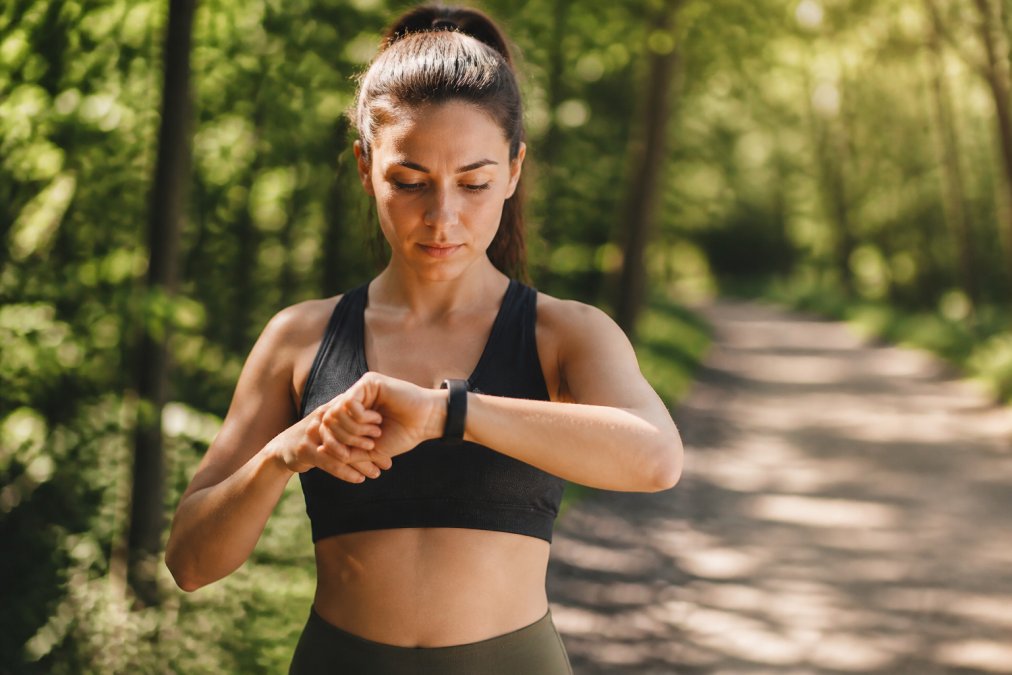
Raw numbers mean nothing without interpretation. Your tracker shows 8,347 steps. So what? Context transforms data into insight.
Start by setting one metric as your primary focus. For most beginners, that's daily step count. Aim for consistency rather than perfection, hitting 7,000 steps six days a week beats chasing 15,000 steps once and burning out. The CDC's physical activity guidelines for adults recommend 150 minutes of moderate activity weekly, which typically translates to 7,000-10,000 steps daily depending on pace.
Establish a weekly review ritual: every Sunday, review average steps, sleep quality, and workout intensity. Look for patterns. Focus on weekly and monthly trends, not daily fluctuations, a 20-30% day-to-day variance is normal.
Budget Considerations and Value for Money
Fitness trackers range from under $30 to over $300. For beginners, the sweet spot is $40-$80. Understanding what you're paying for helps you avoid overspending on unused features.
How to Match Price to Your Actual Needs
Answer three questions: (1) Will you actually wear it? Start with a budget device ($25-$40) to test the habit. (2) What's your primary activity? Runners need GPS; swimmers need IP68 water resistance; casual walkers need neither. (3) How much data detail do you want? Budget trackers show steps and heart rate; mid-range adds sleep stages and recovery scores; premium adds blood oxygen and stress tracking. For most beginners, basic metrics suffice.
Budget Tier Breakdown
Under $40 (Entry-Level), Step counting, heart rate, basic sleep, IP67 water resistance, 5-7 day battery. Small display (0.96-1.3 inches) and limited app integration. Best for testing the habit. Trade-off: poor display readability and limited app connectivity.
$40-$80 (Mid-Range), Larger display (1.3-1.8 inches), sleep stage detection, IP67/IP68 water resistance, 7-10 day battery, comprehensive app integration, multi-sport profiles. Best for most beginners committed to tracking. Trade-off: paying for features you may not use immediately.
$80-$150 (Premium)
Premium trackers add advanced metrics: blood oxygen saturation (SpO2), stress tracking, menstrual cycle insights, and detailed recovery analytics. Battery life extends to 10-14 days. Displays are larger and often use AMOLED technology for better color and contrast. Build quality is noticeably better; materials feel more durable, and the overall design is more refined.
Best for: Athletes with specific training goals, or people who want to track health metrics beyond basic fitness.
Trade-off: You're paying significantly more for metrics that require interpretation and may not change your behavior. A beginner rarely needs blood oxygen tracking or advanced stress analytics; these are nice-to-haves, not necessities.
$150+ (High-End)
These are smartwatches with fitness capabilities, not dedicated fitness trackers. They handle phone calls, text messages, app notifications, and mobile payments. Battery life is shorter (2-5 days) because of the extra processing power. They're excellent for people who want a single device that handles fitness and daily life, but they're overkill for beginners focused purely on building a tracking habit.
Best for: People who already own a smartwatch and want fitness features, or athletes who want a single device for training and daily use.
Trade-off: You're sacrificing battery life and simplicity for features that distract from focused fitness tracking.
The Real Cost of Cheap Trackers
When to Upgrade
Common Mistakes Beginners Make With Fitness Trackers
The most common mistake is abandoning your tracker after two weeks. This happens because beginners set unrealistic goals, trying to jump from 3,000 steps daily to 12,000 overnight. Your tracker didn't fail; your expectations did.
Privacy and Long-Term Maintenance
Your fitness tracker collects sensitive health information: heart rate patterns, sleep schedules, location data from GPS. Understand what happens to this data.

Frequently Asked Questions
What features should a beginner look for in a fitness tracker?
Start with the essentials: heart rate monitoring, step counting, calorie tracking, and basic sleep monitoring. Water resistance (at least IP67 rating) protects your device during workouts and daily activities. Battery life of 5-7 days means fewer charging interruptions. Choose a fitness tracker with a responsive touchscreen and clear display for easy navigation. Smartphone compatibility with your iOS or Android device ensures smooth syncing of your activity data and health insights.
How do I know if I need a smartwatch or a basic fitness tracker?
A basic fitness tracker focuses on health metrics like activity monitoring. A smartwatch adds smartphone notifications, calls, and messaging. Choose a basic tracker if you want simplicity and longer battery life; select a smartwatch if you want integrated notifications and a more feature-rich companion application. For beginners, a dedicated fitness tracker often provides better battery longevity and easier data visualization without overwhelming options.
Are fitness trackers accurate for heart rate monitoring?
Optical sensors in wrist-based fitness trackers measure heart rate through light reflection. Accuracy improves when the device sits snugly on your wrist and you remain still during measurement. Most fitness trackers are accurate within 5-10 beats per minute during steady-state activity. For intense workouts or irregular heart rhythms, accuracy may vary. Check reviews for your specific model, and remember that consistency matters more than perfect accuracy for tracking your fitness progress over time.
How do I actually use fitness tracker data to improve my workouts?
Review your recovery score and sleep stages to understand when your body is ready for intense training versus rest days. Track workout intensity through real-time feedback and calorie expenditure to adjust your exercise profiles. Use sedentary reminders to stay active throughout the day. Most fitness trackers sync with health apps and companion applications that visualize this data, making it easier to spot patterns and set realistic fitness goals aligned with your personal bests.
Choosing your first fitness tracker should feel straightforward, not overwhelming. Focus on heart rate monitoring, battery life, and water resistance. Skip the premium features you won't use. Start with a device from PureFitnessWarehouse.com in the $40-$60 range, it'll give you reliable tracking without unnecessary complexity. The real value comes from wearing it consistently and reviewing your data weekly. That habit, more than the device itself, drives the progress you're looking for.