
Table of Contents
- How Long Does Muscle Soreness Last?
- Best Foods for Muscle Recovery
- Hydration and Electrolytes to Reduce Muscle Soreness
- Benefits of Active Recovery for DOMS
- Supplements for Muscle Soreness That Actually Work
- Sleep and Breathwork: Two Ways to Naturally Reduce Muscle Soreness
- Age-Specific Recovery Protocols
- Conclusion
Last Updated: August 9, 2026
Muscle soreness is one of the most common reasons people skip workouts and plateau before reaching their goals. This guide breaks down how to reduce muscle soreness naturally using seven evidence-based methods.
The good news? You don't need expensive treatments or complicated protocols. You need the right combination of nutrition, movement, sleep, and recovery techniques, applied consistently.
How Long Does Muscle Soreness Last?
Delayed onset muscle soreness, or DOMS, is the muscle stiffness and tenderness that develops 12 to 72 hours after exercise, typically peaking around 48 hours post-workout. DOMS occurs when unfamiliar or intense physical activity causes micro-tears in muscle fibers, triggering an inflammatory response as the body begins tissue repair.
For most people, DOMS resolves within 3 to 5 days. The timeline varies based on training intensity, exercise type, individual fitness level, and recovery support. Eccentric movements, such as the downward phase of a squat or running downhill, tend to cause more pronounced soreness than concentric-only work.
The critical distinction: some soreness signals productive adaptation. Chronic, lingering soreness that doesn't resolve within a week, or pain that's sharp and localized to a joint, warrants attention from a sports medicine professional. According to National Institute of Arthritis and Musculoskeletal and Skin Diseases guidance on muscle soreness, distinguishing between normal DOMS and injury is essential for safe training progression.
Best Foods for Muscle Recovery
Nutrition is the most underrated recovery tool in most training programs. What you eat in the hours and days after a hard session directly affects how quickly muscle fibers rebuild and how much inflammation your body carries into the next workout.
Anti-Inflammatory Foods to Prioritize
The inflammatory response triggered by intense exercise is necessary for muscle repair, but excess or prolonged inflammation slows recovery and amplifies pain perception. Certain foods actively support the body's ability to regulate this response.
Foods that support muscle recovery:
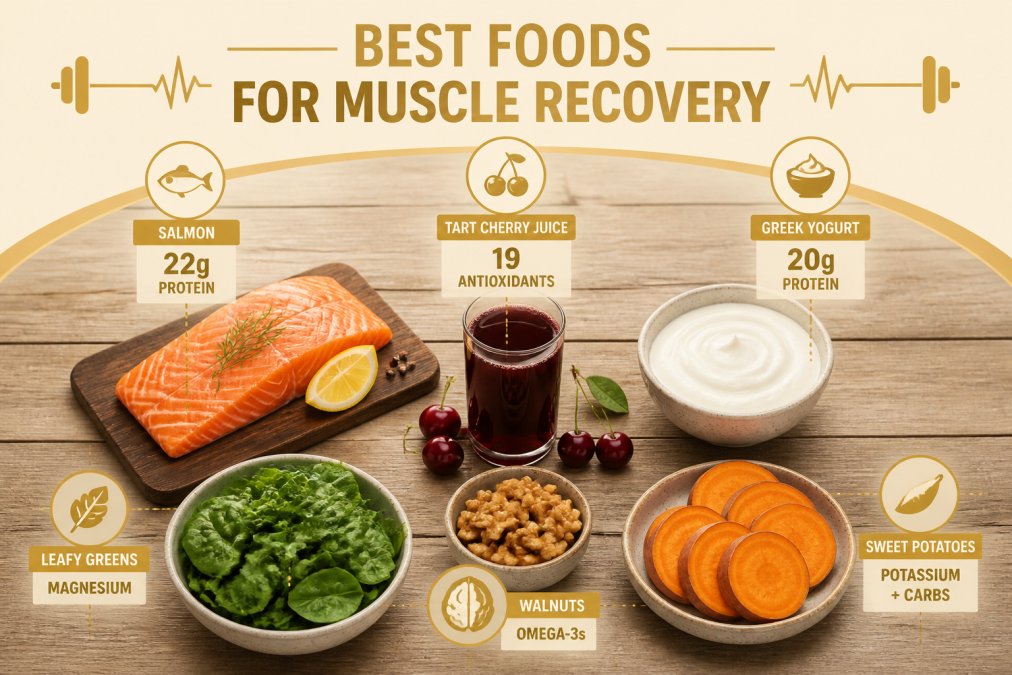
- Tart cherry juice: One of the most studied natural anti-inflammatory options for athletes. Tart cherries contain anthocyanins, compounds that help modulate post-exercise inflammation and oxidative stress.
- Fatty fish (salmon, sardines, mackerel): Rich in omega-3 fatty acids, which reduce exercise-induced muscle damage and support the circulatory system's ability to clear metabolic waste.
- Leafy greens (spinach, kale, arugula): High in antioxidants and magnesium, a mineral involved in muscle contraction and relaxation.
- Turmeric: Curcumin, its active compound, has been studied for its anti-inflammatory properties in pain management.
- Walnuts and flaxseed: Plant-based omega-3 sources for those who don't consume fish regularly.
- Sweet potatoes and berries: Provide antioxidants and carbohydrates that support glycogen replenishment.
Post-Workout Protein and Carbohydrate Timing
Protein synthesis, the process by which the body rebuilds damaged muscle fibers, requires adequate protein intake spread throughout the day. Total daily protein intake is the bigger driver of recovery than the post-workout window alone.
A practical approach to post-workout nutrition:
- Within 30-60 minutes after training: Consume a combination of protein and carbohydrates. Protein initiates muscle repair; carbohydrates replenish glycogen stores depleted during exercise.
- Before bed: A slow-digesting protein source, such as cottage cheese or Greek yogurt, supports overnight protein synthesis during the body's primary repair window.
- Throughout the day: Distribute protein across meals rather than concentrating it in one sitting.
The type of protein matters less than consistency. Whether you prefer whole food sources or supplements, the priority is hitting your daily target.
Hydration and Electrolytes to Reduce Muscle Soreness
Dehydration is a direct amplifier of muscle soreness. When muscle tissue is dehydrated, it becomes more susceptible to damage, and the circulatory system becomes less efficient at delivering nutrients and clearing inflammatory byproducts.
Hydration protocol for recovery:
- Drink consistently throughout the day, not just around workouts. Thirst is a lagging indicator of dehydration.
- Monitor urine color: pale yellow indicates adequate hydration; dark yellow signals a deficit.
- After intense or prolonged exercise, include electrolytes, sodium, potassium, and magnesium, to help the body retain fluid and support proper muscle function.
- Foods like bananas, avocados, and coconut water contribute meaningfully to electrolyte intake without requiring supplements.
According to American College of Sports Medicine position stand on exercise and fluid replacement, replacing fluid losses during and after exercise is essential for both performance and recovery. If you're training hard and still waking up sore three or four days later, check your hydration before you change anything else.
Benefits of Active Recovery for DOMS
The instinct when you're sore is to rest completely. Light movement on recovery days improves circulation, helps flush metabolic waste from muscle tissue, and maintains range of motion without adding additional stress to the system.
Active recovery is any low-intensity physical activity that elevates heart rate gently without creating new muscle damage. Think walking, light cycling, swimming, or yoga at an easy pace.
Foam Rolling and Myofascial Release
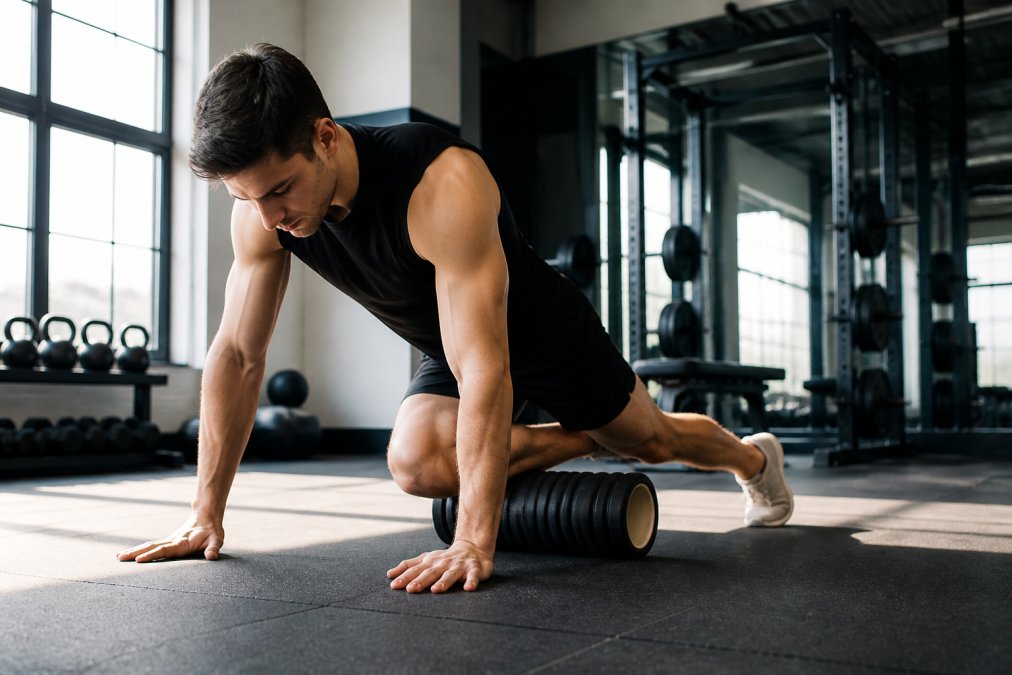
Foam rolling applies sustained pressure to soft tissue to reduce muscle stiffness and improve range of motion. Athletes who foam roll after training report less soreness and move better the following day.
How to foam roll effectively:
- Apply slow, controlled pressure to the target muscle group.
- When you find a tender spot, pause and hold for 20 to 30 seconds rather than rolling continuously.
- Spend 60 to 90 seconds per muscle group.
- Focus on areas that feel tight, not just the ones that are sore.
- Avoid rolling directly over joints or the lower back.
Percussion therapy devices, which deliver rapid pulses of pressure to muscle tissue, work on a similar principle and are particularly useful for reaching deeper muscle layers.
Cold-Water Immersion and Contrast Therapy
Cold-water immersion is one of the most studied recovery modalities in sports science. Immersing in cold water constricts blood vessels and reduces acute inflammation, which can meaningfully decrease perceived soreness in the 24 to 48 hours after intense training.
A practical cold-water immersion protocol:
- Water temperature: 50°F to 59°F (10°C to 15°C)
- Duration: 10 to 15 minutes
- Timing: within 30 to 60 minutes post-exercise
Contrast therapy alternates between cold and warm water, creating a pumping effect in the circulatory system that may accelerate waste product removal. A simple version: alternate between a cold shower and a warm shower in 1-minute intervals for 6 to 10 minutes total.
One caveat: some research suggests that cold-water immersion after strength training may blunt some of the adaptation signal. If building maximum muscle mass is the primary goal, use cold immersion selectively, such as after competition or particularly brutal sessions.
Supplements for Muscle Soreness That Actually Work
The supplement market for muscle recovery is noisy. A shorter list of options with genuine support:
| Supplement | Primary Mechanism | Best Use Case |
|---|---|---|
| Omega-3 fatty acids | Reduces exercise-induced inflammation | Daily, year-round |
| Tart cherry extract | Antioxidant and anti-inflammatory | Around hard training blocks |
| Magnesium | Supports muscle relaxation and sleep quality | Daily, especially if diet is low |
| Creatine monohydrate | Accelerates glycogen resynthesis and cell hydration | Daily, consistent use |
| Protein (whey or plant-based) | Drives protein synthesis and tissue repair | Post-workout and before bed |
| Vitamin D | Supports muscle function and immune response | Daily, especially in winter months |
According to National Institutes of Health Office of Dietary Supplements fact sheets on exercise and athletic performance, omega-3 fatty acids and creatine monohydrate have among the strongest research profiles for muscle recovery specifically.
Treat supplements as support for a solid nutrition and recovery foundation, not as replacements for it.
Sleep and Breathwork: Two Ways to Naturally Reduce Muscle Soreness
Sleep and breathwork are arguably the two highest-use recovery tools available, and they cost nothing.
Circadian Rhythm and Tissue Repair
The majority of growth hormone secretion, which drives muscle repair and protein synthesis, occurs during deep sleep. Disrupting sleep quality or duration directly impairs the body's ability to recover from training stress.
Sleep hygiene practices that directly support muscle recovery:
- Maintain consistent sleep and wake times, even on weekends. The circadian rhythm governs hormone release on a schedule; irregular timing disrupts that schedule.
- Aim for 7 to 9 hours of total sleep. Athletes in heavy training blocks often benefit from the higher end of this range.
- Keep the bedroom cool. Core body temperature drops during sleep, and a cooler environment supports this transition.
- Avoid screens for 30 to 60 minutes before bed. Blue light suppresses melatonin, which signals the body to initiate the sleep cycle.
- Limit alcohol. Even moderate alcohol consumption degrades sleep architecture, reducing time spent in the deep sleep stages where most physical repair occurs.
A pattern of poor sleep accumulated over weeks of training compounds into measurably slower progress and higher injury risk.
Breathwork for Nervous System Regulation
Intense training activates the sympathetic nervous system, the fight-or-flight state. Recovery requires shifting into the parasympathetic state, where the body actually repairs tissue. Breathwork is one of the fastest ways to trigger this shift.
A practical breathwork protocol for post-workout recovery:
- Sit or lie down in a comfortable position immediately after cooling down.
- Inhale slowly through the nose for 4 counts.
- Hold for 4 counts.
- Exhale slowly through the mouth for 6 to 8 counts. The extended exhale activates the vagus nerve and signals the parasympathetic system.
- Repeat for 5 to 10 minutes.
The extended exhale technique has a measurable effect on heart rate variability, a key marker of nervous system recovery state. Athletes who incorporate breathwork into their cool-down routine often report falling asleep faster and waking with less residual soreness.
Age-Specific Recovery Protocols
Recovery needs change with age, and most general advice ignores this. A 22-year-old and a 42-year-old doing the same workout need meaningfully different recovery strategies.
For athletes in their 20s: The body's inflammatory response and tissue repair capacity are at their peak. The primary risk is underrecovery from training volume that exceeds what nutrition and sleep can support. Priority: hit protein targets, sleep 8 hours, and don't skip active recovery days.
For athletes in their 30s: Recovery begins to take slightly longer. Hormonal changes, particularly gradual declines in testosterone and growth hormone, mean that the same training load requires more intentional support. Priority: add foam rolling and cold-water immersion to the routine, increase omega-3 intake, and treat sleep as a non-negotiable training variable.
For athletes in their 40s and beyond: Muscle protein synthesis rates slow, and the window for effective post-workout nutrition becomes more important. Eccentric-heavy training requires longer recovery gaps between sessions. Priority: extend recovery days between hard sessions, prioritize sleep quality, and incorporate more mobility work to maintain range of motion.
Athletes who track their recovery markers, including sleep quality, resting heart rate, and subjective soreness scores, adjust their training more intelligently than those who train by feel alone. The PureFitnessWarehouse.com catalog includes wearable trackers designed specifically for this kind of data-driven recovery monitoring.
Psychological factors also influence how soreness is perceived and managed. Research in pain science consistently shows that stress, anxiety, and poor sleep amplify pain perception. Athletes who manage psychological stress through breathwork, adequate rest, and structured training plans report lower subjective soreness scores even under similar physical loads.
As documented in American Council on Exercise guidance on recovery and regeneration, recovery is not passive. It is an active process that requires as much intentionality as the training itself.
Persistent muscle soreness is one of the most common barriers to consistent training, but it's also one of the most solvable. The methods covered here, anti-inflammatory nutrition, hydration, cold-water immersion, foam rolling, sleep optimization, and age-specific protocols, work best when applied together. PureFitnessWarehouse.com offers a curated range of recovery tools, including foam rollers, percussion therapy devices, wearable trackers for monitoring recovery metrics, and quality supplements to support post-workout nutrition. If you're ready to train four days a week without feeling destroyed by day two, the right recovery stack makes that achievable. Shop PureFitnessWarehouse.com and build a recovery routine that keeps you consistent.
Frequently Asked Questions
What helps muscle soreness go away fast?
The fastest relief typically comes from combining light movement, hydration, and targeted nutrition. A short 20-minute walk or low-intensity cycling increases blood flow to sore muscle fibers without adding stress. Pairing that with adequate protein, tart cherry juice, and omega-3 fatty acids supports tissue repair. Cold-water immersion after intense sessions can also blunt inflammation quickly. Foam rolling before and after workouts reduces muscle stiffness and improves range of motion the next day.
Do sore muscles mean you are getting stronger?
Soreness signals that muscle fibers experienced micro-tears, which is part of the adaptation process, but it is not a reliable measure of progress on its own. You can build strength and muscle without significant DOMS, especially as your body adapts to a routine. Chasing soreness by constantly changing exercises can actually slow progress. Consistent training, progressive overload, and smart recovery matter far more than how sore you feel the next day.
Is it better to rest or exercise with sore muscles?
Active recovery generally outperforms complete rest for delayed onset muscle soreness. Light physical activity, such as walking, swimming, or gentle stretching, promotes circulation and helps flush metabolic waste from sore tissue. Complete rest can allow stiffness to worsen and slow the recovery timeline. The key is intensity: keep active recovery sessions low-effort. If soreness is severe or localized to a joint rather than a muscle belly, rest and consult a sports medicine professional.
What vitamin or supplement stops muscle aches?
No single supplement eliminates DOMS entirely, but several have clinical support for reducing its severity. Omega-3 fatty acids lower inflammation markers associated with muscle soreness. Tart cherry juice contains anthocyanins that blunt post-exercise inflammation. Magnesium supports muscle relaxation and nerve function. Vitamin D deficiency is linked to increased muscle pain, so correcting a deficiency can help. Creatine monohydrate also has evidence for reducing muscle damage when taken consistently before and after training.
This article was written using GrandRanker