

Table of Contents
- What Third-Party Certification Means for Supplement Quality
- Understanding NSF Certified for Sport Supplements
- How to Identify and Verify Certification Seals on Labels
- The Verification Process: What Independent Laboratories Test
- How to Use the USP Verified Supplement List
- FDA Regulation of Dietary Supplements and Quality Standards
- Step-by-Step: How to Verify a Specific Product's Certification
- GMP Compliant vs. Third-Party Tested: Know the Difference
Last Updated: August 26, 2026
What Third-Party Certification Means for Supplement Quality
Third-party certification is an independent verification process where organizations outside the manufacturer test and confirm that a supplement contains what the label claims and is free from harmful contaminants. This matters because the supplement industry operates with less FDA oversight than pharmaceuticals, making independent testing a critical safeguard for consumers (the FDA).
When a supplement carries a third-party certification seal, a neutral laboratory has analyzed the product's potency, ingredient integrity, and purity. A product tested by NSF International, USP, or ConsumerLab has undergone standardized protocols that verify label accuracy and screen for contaminants like heavy metals, microbial pathogens, and banned substances. At PureFitnessWarehouse.com, we prioritize products that carry these verified seals because they align with our commitment to helping you reach your performance goals with confidence.
The verification process typically involves batch testing, where a sample from a specific production lot is analyzed for potency and safety. This means the product you buy today has been tested, not just the formula in general.
Understanding NSF Certified for Sport Supplements
NSF Certified for Sport is one of the most rigorous third-party certification programs available, specifically designed for athletic supplements. NSF International tests for both label accuracy and the presence of banned substances that could affect athletic eligibility or performance.

NSF's testing protocol verifies that the supplement contains the claimed amounts of active ingredients, checks for heavy metals and microbial contaminants, and screens for over 200 banned substances used in doping (nsf.org). The NSF Certified for Sport seal indicates that a product has passed lot-specific testing, meaning the actual batch you're purchasing has been analyzed.
When you see NSF Certified for Sport on a label, you're looking at a product that meets pharmaceutical-grade manufacturing standards. For fitness enthusiasts focused on recovery and performance optimization, NSF certification provides assurance that your supplements support your goals without introducing unknown risks.
How to Identify and Verify Certification Seals on Labels
Learning to spot legitimate certification marks is the first step in evaluating supplement quality. Certification seals appear on product labels and packaging, typically displayed prominently to signal quality assurance to consumers.
The most common legitimate seals include the NSF Certified for Sport mark, the USP Verified Dietary Supplement seal, the ConsumerLab Approved seal, and the Natural Products Association certification. Each represents different testing standards, but all indicate independent laboratory verification.
Common Third-Party Certification Marks
NSF Certified for Sport features the NSF logo alongside "Certified for Sport" text, often with a blue and white color scheme. This mark guarantees banned substance screening and potency verification for each batch.
USP Verified appears as a distinctive seal indicating that a product has been tested for label accuracy, strength, purity, and consistency. USP (United States Pharmacopeia) maintains one of the oldest and most trusted verification programs in the industry.
ConsumerLab Approved products display a specific seal showing that the product passed independent testing for label accuracy and contaminant screening. ConsumerLab publishes detailed test results online, making it easy to verify claims.
Natural Products Association certification indicates that products meet safety and quality standards established by this trade organization.
Spotting Fake or Misleading Seals
Not every mark on a supplement label represents legitimate third-party testing. Some manufacturers create their own seals or use vague language that implies certification without actual independent verification.
Watch for red flags: seals that don't match official logos from recognized organizations, marks that say "tested" without naming the testing organization, or claims of "certified quality" without specifying which certifying body performed the work. If you can't trace the seal back to an actual independent laboratory with published testing standards, it's not a legitimate third-party certification.
Misleading language includes phrases like "made in a GMP-compliant facility" or "quality assured" without mentioning independent testing. GMP (Good Manufacturing Practices) compliance means the facility follows quality standards, but it doesn't guarantee that your specific batch was tested for potency or contaminants. Third-party testing provides that assurance.
The Verification Process: What Independent Laboratories Test
Independent laboratories conduct standardized tests on supplement samples to verify what manufacturers claim and ensure safety. The verification process begins with batch testing, where a sample from a specific production lot is sent to the laboratory for multiple analytical tests.
Potency and Ingredient Verification
Potency testing measures whether the supplement contains the amount of active ingredient stated on the label. Ingredient verification uses analytical techniques like high-performance liquid chromatography (HPLC) to identify exactly what compounds are present in the product. This catches cases where manufacturers substitute cheaper ingredients or include undeclared substances.
Contaminant and Heavy Metal Screening
Heavy metal testing checks for lead, cadmium, arsenic, and mercury (peer-reviewed research). These metals can accumulate in supplements, particularly those derived from plants grown in contaminated soil. Microbial analysis screens for harmful bacteria, mold, and other pathogens that could cause illness.
Some laboratories also test for pesticide residues, particularly in supplements made from botanicals. NSF's banned substance screening, for example, includes over 200 compounds prohibited in sports, making it more comprehensive than general quality certifications.
How to Use the USP Verified Supplement List
The USP Verified Supplement List is a searchable database where you can look up any product that has passed USP's independent verification testing. Visit the USP website and use their search function to enter the product name, manufacturer, or active ingredient.
When you search for a product, the listing shows the supplement's name, manufacturer, the specific claims that were verified, and the date of testing. The USP Verified list is particularly useful when comparing similar products to see whether both have been independently tested.
One important note: the absence of a product from the USP Verified list doesn't necessarily mean it's low quality. It means the manufacturer hasn't submitted the product for USP testing.
FDA Regulation of Dietary Supplements and Quality Standards
The FDA regulates dietary supplements, but with less stringent requirements than pharmaceutical drugs. Supplement manufacturers are required to follow Good Manufacturing Practices (GMP), which establish standards for facility cleanliness, equipment maintenance, personnel training, and production processes.
However, the FDA doesn't pre-approve supplements before they reach the market. Manufacturers are responsible for ensuring their products are safe and that label claims are truthful. This regulatory gap is where third-party certification becomes valuable. Independent laboratories apply more rigorous testing standards than FDA regulations require, catching issues that might otherwise go undetected.
Step-by-Step: How to Verify a Specific Product's Certification
Verifying whether a specific supplement has been third-party tested involves checking multiple sources and confirming that the certification is legitimate.
Finding and Authenticating Certificates Online
Start by looking for a certification seal on the product label or packaging. If you see a seal, note which organization issued it: NSF, USP, ConsumerLab, or another recognized certifier.
Next, visit the certifying organization's website directly. For NSF certified products, go to NSF.org and use their product search. For USP verified supplements, search the USP Verified Supplement List at usp.org. For ConsumerLab products, visit ConsumerLab.com.
Enter the product name and manufacturer into the search tool. A legitimate certification will return detailed information, including the test date, what was tested, and the results. Check the certification date, testing is typically valid for two to three years.
What to Do If You Can't Find Verification Information
If you can't locate a product in third-party certification databases, the product simply hasn't been independently tested. You can contact the manufacturer directly and ask whether they've submitted the product for third-party testing or plan to do so.
You can also look for other quality signals: whether the manufacturer follows GMP standards, whether they provide detailed ingredient sourcing information, and what their reputation is in the fitness community. At PureFitnessWarehouse.com, we prioritize stocking supplements that carry recognized certifications, making it easier to find verified products in one place.
GMP Compliant vs. Third-Party Tested: Know the Difference
GMP compliance and third-party testing are both important quality indicators, but they measure different things. GMP (Good Manufacturing Practices) compliance means a facility meets FDA standards for how supplements are manufactured. Third-party testing verifies the actual product by confirming potency, purity, and safety.
A product can come from a GMP-compliant facility but still contain inaccurate ingredient amounts or contaminants. Similarly, a product can be tested and verified by a third-party laboratory regardless of where it was manufactured. These quality measures are complementary, not interchangeable.
The ideal scenario is a product that comes from a GMP-compliant facility AND has been third-party tested. When evaluating supplements, look for both indicators.
| Quality Indicator | What It Means | What It Doesn't Guarantee |
|---|---|---|
| GMP Compliant | Facility meets FDA manufacturing standards | That your specific batch was tested for potency or contaminants |
| Third-Party Tested | Independent lab verified potency, purity, and safety | That the manufacturing facility meets quality standards |
| NSF Certified for Sport | Banned substance screening plus potency and purity testing | That the product is effective for your specific goals |
| USP Verified | Label accuracy and consistency testing | That the supplement will work better than untested alternatives |
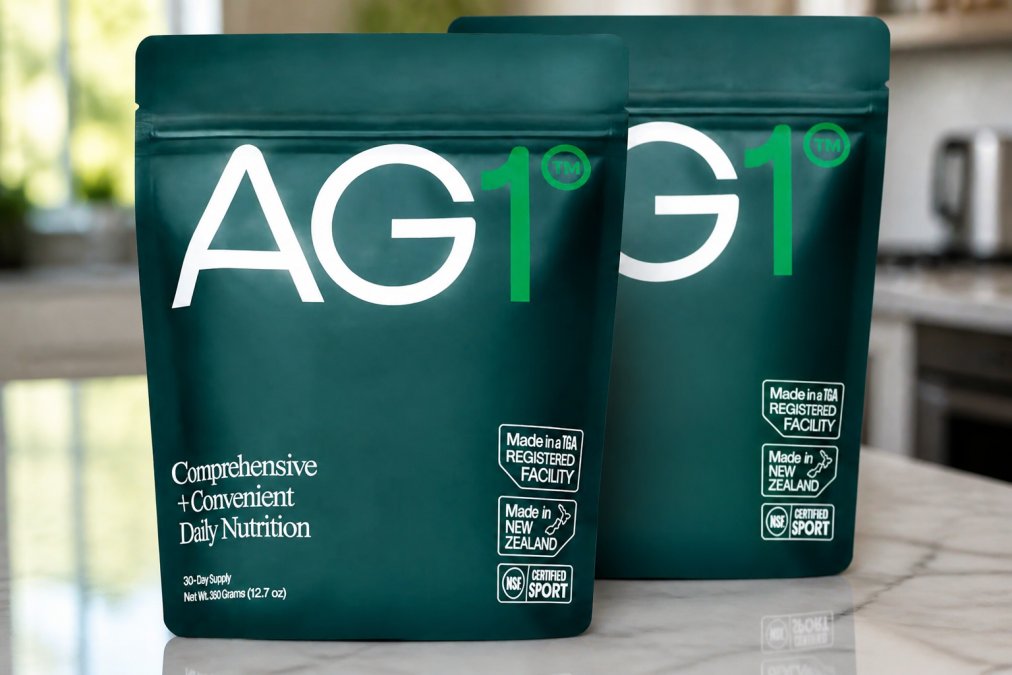
Choosing supplements with verified quality is one of the most important decisions you can make for your fitness journey. Third-party certification removes guesswork and gives you confidence that what you're buying matches what's on the label. At PureFitnessWarehouse.com, our curated selection emphasizes products with recognized third-party certifications, including multivitamins like AG1 Athletic Greens 12.7 oz 360g Powder Supplement pack of 2, and advanced formulas like Nature's Lab Gold Six Daily Advanced Multivitamin - 180 Capsules with over 90 ingredients per serving. Start by checking the USP Verified Supplement List or NSF's database for any product you're considering, and prioritize brands that are transparent about their testing and certification status.


Frequently Asked Questions
How do I tell if a supplement is third-party verified?
Look for certification seals on the label from organizations like NSF, USP, or ConsumerLab. You can verify these seals by visiting the certifier's website and searching their database using the product name or batch number. If no seal appears and the label makes no mention of third-party testing, the product likely lacks independent verification. Always cross-reference the seal with the certifying organization's official list.
What does the USP Verified mark mean on a supplement label?
The USP Verified mark indicates that a supplement has passed testing for label accuracy, strength, purity, and manufacturing quality by the United States Pharmacopeia. Products bearing this mark have been verified against the USP verified supplement list and confirm that what's listed on the label matches what's actually in the bottle. This certification also means the product was made in a facility following good manufacturing practices and contains no harmful contaminants or undisclosed ingredients.
Why is third-party testing important for dietary supplements?
Third-party testing provides independent verification that supplements contain what they claim and are free from dangerous contaminants. Unlike prescription drugs, dietary supplements are not pre-approved by the FDA before sale. Independent laboratories test for heavy metals, microbial contamination, banned substances, and ingredient potency. This testing protects consumers from mislabeled products, contaminated batches, and supplements that don't deliver their promised benefits. For athletes and fitness enthusiasts, NSF certified for sport supplements testing also verifies that products don't contain banned performance-enhancing substances.
What is the difference between GMP compliant and third-party tested?
GMP (Good Manufacturing Practices) compliance means a facility follows FDA guidelines for production, handling, and storage but doesn't guarantee the finished product meets label claims or is free from contaminants. Third-party testing, by contrast, involves an independent laboratory analyzing the actual product to verify ingredient accuracy, potency, and purity. A supplement can be GMP compliant but still contain inaccurate ingredient amounts or contaminants. Third-party certification provides stronger consumer protection because it tests the final product itself, not just the manufacturing process.
This article was written using GrandRanker