

Table of Contents
- Why Look Beyond Titan Fitness?
- What to Check Before Buying Home Gym Gear
- Best Budget Home Gym Brands vs. Titan
- REP Fitness vs Titan Fitness: Worth the Upgrade?
- Affordable Power Racks for Home Gyms
- Space-Saving Titan Fitness Alternatives
- Long-Term Value: Durability and Resale
- Which Titan Fitness Alternative Fits Your Home Gym?
- Frequently Asked Questions
Last Updated: September 7, 2026
Titan Fitness is a budget-friendly entry point into serious strength training, but it isn't the only option. Whether you're dealing with shipping delays, inconsistent quality control, or a footprint that doesn't fit your space, exploring a Titan fitness alternative for home gym setup can save frustration and deliver better long-term value.

Most buyers focus on the sticker price, but the real cost of budget equipment shows up later. Steel gauge, welding quality, and powder coat finish determine whether your rack wobbles at 300 pounds or stays rock-solid for a decade.
Why Look Beyond Titan Fitness?
The main reason to consider other brands comes down to consistency. Many budget manufacturers produce excellent racks one batch and questionable welds the next, and Titan has faced criticism for spotty customer service and long shipping windows.
A common mistake is assuming "budget-friendly" means poor quality. That trade-off is outdated. Several direct-to-consumer brands now offer commercial-grade construction at prices that undercut traditional retailers, backed by better warranty coverage.
What to Check Before Buying Home Gym Gear
Before comparing specific brands, you need a baseline for what makes equipment worth owning. Beyond steel gauge and footprint, the most informed buyers evaluate biomechanical and compatibility features that determine how the gear feels during a workout.
Steel Gauge and Welding Quality
The steel gauge determines how much weight a rack can handle without bending. Lower gauge numbers mean thicker steel; 11-gauge is significantly more durable than 14-gauge, especially for heavy squats and bench press work. Look for clean, continuous welds at every joint.
The powder coat finish is another durability marker. A thick, evenly applied coating resists scratches and rust, protecting the bare steel underneath. Cheaper racks often chip at bolt holes within months, leading to corrosion in humid garages.
Biomechanical Fit: Hole Spacing, Knurling, and Bench Height
Most buyers compare price and weight capacity, but the geometry of the equipment dictates your safety and comfort. Pay attention to three measurements:
- Hole spacing on the uprights: Standard 2-inch spacing is common on budget racks, but it limits how precisely you can set J-hooks and safety bars. Westside hole spacing (1-inch in the bench zone) allows you to adjust the bar height in smaller increments, which is critical for bench press setups where a 1-inch difference can change your shoulder angle. If you are between 5'6" and 6'2", this adjustability often makes the difference between a comfortable unrack and a strained one.
- Knurling depth on the bar: A bar with shallow knurling will slip during heavy deadlifts, while overly aggressive knurling can tear your hands during high-rep work. Look for a medium-depth knurl with a center knurl for squatting. The tensile strength of the bar (usually 150,000 to 200,000 PSI for budget bars) determines how much whip it has under load, which affects your bar path on deadlifts.
- Bench height and pad width: A bench that sits too high (above 17 inches) forces you into an inefficient pressing angle and can cause shoulder impingement over time. The standard competition bench height is 17 inches. Wider pads (12 inches or more) offer more stability for pressing but can restrict shoulder movement for lifters with narrower frames. Test the pad firmness; a soft pad absorbs force and makes you unstable during heavy presses.
Footprint and Storage Needs
Measure your space before you commit to a full power rack. A standard 2x2 meter footprint might not work in a spare bedroom or apartment corner. Consider the ceiling height for pull-up bars and the depth needed for safety spotter arms. Compact squat stands and folding racks solve this problem without sacrificing function.
| Consideration | What to Check | Why It Matters |
|---|---|---|
| Steel gauge | 11-gauge preferred | Thicker steel resists flexing under heavy loads |
| Welding quality | Continuous, clean joints | Prevents cracks and structural failure over time |
| Hole spacing | 1-inch in bench zone | Allows precise J-hook and safety bar placement |
| Bench height | 17 inches standard | Protects shoulder mechanics during presses |
| Knurling depth | Medium, with center knurl | Prevents bar slip without tearing hands |
| Footprint | Width, depth, ceiling height | Ensures the rack fits your actual training space |
| Weight capacity | Rated for your max lifts | Safety margin for spotter arms and fail-safes |
The Long-Term Wear Test: What 12 Months of Use Reveals
Most reviews are written after a week of use; the more revealing test is what happens after a year. A common pattern among budget racks is bolt loosening at the joints from vibration. Check whether the rack uses locking nuts or nylon-insert nuts, which resist loosening better than standard hardware. Brands using a two-stage powder coat process (primer plus topcoat) hold up better than single-coat finishes.
Best Budget Home Gym Brands vs. Titan
When you're shopping for a Titan fitness alternative for home gym setup, a few names rise to the top for their price-to-performance ratio. REP Fitness, Fringe Sport, and Ethos all compete directly with Titan's core products.
REP Fitness is a direct comparison. Their PR-1000 and PR-1100 power racks use 11-gauge steel and feature 1-inch hole spacing for versatile attachment compatibility. Titan's comparable racks often use lighter steel and wider hole spacing, limiting how precisely you can position J-hooks and safety bars.

Fringe Sport takes a different angle with their Wonder Bars and squat stands, focusing on ergonomics and knurling quality. Their Wonder Bar is known for its aggressive knurling and tensile strength, offering a competition feel without the competition price tag.
REP Fitness vs Titan Fitness: Worth the Upgrade?
REP Fitness racks typically cost more upfront, but the difference in steel gauge, welding quality, and attachment compatibility justifies the premium.
Titan's advantage has always been price, their entry-level racks are often the cheapest way to get a functional power rack. But the savings disappear if you need to replace the rack in three years due to rust or flexing. REP's mid-range value makes it the smarter investment for long-term home training.
Affordable Power Racks for Home Gyms
If you're searching for an affordable power rack for home gym that doesn't compromise on safety, the market has improved dramatically. The best budget racks now include features once reserved for commercial units: Westside hole spacing, multi-grip pull-up bars, and compatible safety spotter arms.
Look for racks with a weight capacity of at least 800 pounds, giving you room to grow. The rack should also feature a pull-up bar with multiple grip positions, adding versatility without extra equipment.
Consumer Reports guide on home gym equipment safety emphasizes checking the stability of any rack you buy. A rack that isn't bolted down needs sufficient base weight to prevent tipping during heavy lifts or band work.
Space-Saving Titan Fitness Alternatives
Not everyone has a dedicated garage gym. For apartment dwellers and those with limited square footage, the best Titan fitness alternative for home gym equipment is designed to disappear when not in use.
Adjustable Dumbbells and Barbells
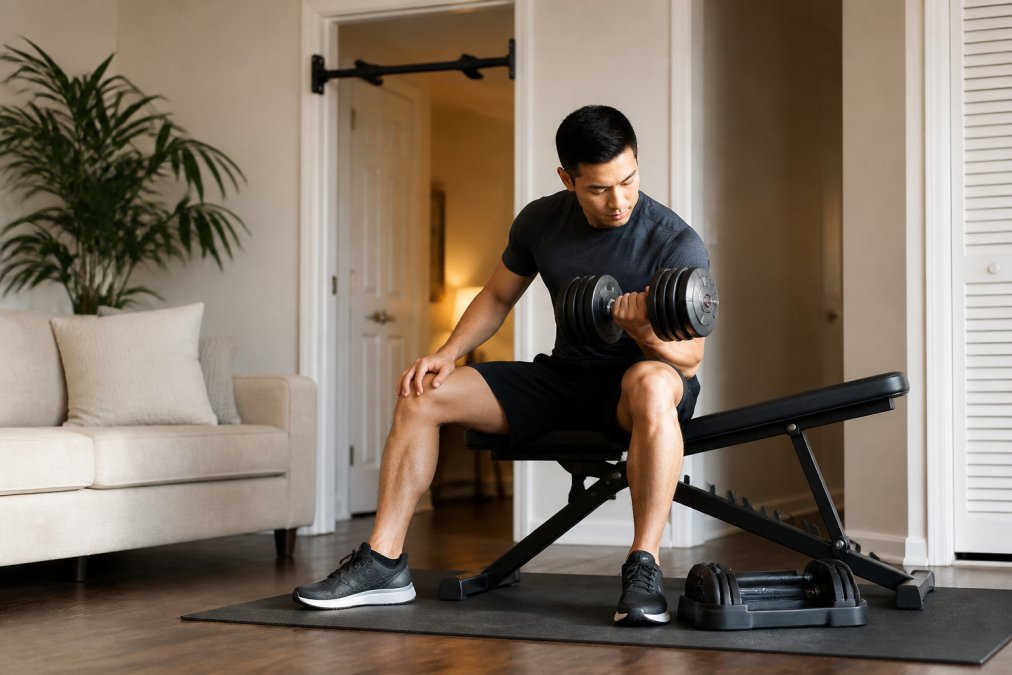
The Adjustable Magnetic Barbell Dumbbell from Stridewell Sports is a standout for tight spaces. Its magnetic quick-change system lets you swap weight plates in seconds without spin collars. At $252.99, it replaces an entire rack of individual dumbbells, saving money and floor space.
For a more traditional approach, [the Portable Weight Barbell Set supports both dumbbell and barbell-style training](/products/portable-weight-barbell-set-home-gym-dumbbell-training). Its compact profile stores easily in a closet or under a bed, and the textured grip coating reduces slipping during heavier sets.

Doorway Pull-Up Bars
A doorway pull-up bar is the most efficient upper body tool for small spaces. The ONETWOFIT Pull Up Bar is engineered from 1.5mm heavy gauge steel with a rust-resistant powder coat, handling up to 300 lbs. It adjusts to fit door frames from 24 to 36 inches wide.
The included resistance bands set, with 30 lb and 40 lb options, expands your workout variety. You can perform pull-ups, chin-ups, push-ups, and band-assisted movements all with one setup.
Long-Term Value: Durability and Resale
Budget equipment often loses value quickly, but quality gear holds its worth. A well-maintained rack from REP or a comparable brand can retain a significant portion of its original price on the second-hand market.
The key to resale value is condition. Powder coat scratches and rust spots reduce what buyers will pay. Simple maintenance, like wiping down the frame after sweaty sessions and touching up chips, protects your investment.
Which Brands Hold Value Better?
Brands with established replacement parts availability and consistent naming conventions may hold resale value better. REP Fitness racks may retain a significant portion of their original price after two years if the powder coat is intact. Titan Fitness racks typically resell at a lower percentage, as the market is saturated with used Titan gear.
What Hurts Resale Value Most
- Stripped bolt holes: Once a bolt hole is stripped, the rack is compromised. Buyers check this first. Using a torque wrench during assembly and never over-tightening prevents this issue.
- Rust on the uprights: Surface rust can be cleaned, but rust pitting on the steel weakens the structure. Buyers will discount heavily or walk away entirely.
- Missing hardware: Racks missing J-hooks, safety pins, or pull-up bars sell for significantly less. Keep all original parts in a labeled bag.
The 24-Month Follow-Up Review
A Unique Angle: The Second-Hand Market as a Strategy
Instead of buying new, many lifters source used racks from brands like REP or Fringe Sport at 50-60% of retail. Because these brands maintain consistent product lines, replacement parts (like J-hooks or safety pins) are easy to source directly from the manufacturer. If you buy used, ask for the original assembly manual and verify that all bolts are the correct grade.
Statista report on home fitness equipment market growth shows the demand for durable home gym gear remains strong, which supports healthy resale prices for well-kept equipment.
Which Titan Fitness Alternative Fits Your Home Gym?
Choosing the right equipment comes down to your training goals, available space, and budget. If you have a dedicated room and plan to lift heavy for years, a REP Fitness power rack is the strongest Titan fitness alternative for home gym build. For apartment training, the adjustable dumbbell and doorway pull-up bar combination covers full-body workouts in under 10 square feet.
Your decision should also account for how well the equipment integrates with your broader training approach. Choosing gear that supports consistent, repeatable workouts matters more than matching a specific brand name.
The Fitness equipment abdominal wheel is a small addition that rounds out a compact setup, targeting deep core muscles that support every other lift. At $29.99, it's a low-cost way to build stability from any space.
Building a home gym is an investment in your long-term health and performance. The challenge is finding equipment that matches your space, your budget, and your training intensity without cutting corners on safety. At PureFitnessWarehouse.com, we curate gear that balances durability with smart design, from compact adjustable weight sets to versatile pull-up bars, supporting a data-driven approach to fitness. American Council on Exercise guidelines on home strength training recommends focusing on equipment you'll actually use consistently. Shop our collection and build a home gym that helps you reach your personal best.
Frequently Asked Questions
Is REP Fitness or Titan Fitness better for home gyms?
REP Fitness may offer tighter tolerance, better welds, and a smoother powder coat finish than Titan. The price gap is real, but REP gear may hold its value better if you resell. For a power rack you will use daily for years, the extra cost may be worth it. For accessories like a pull-up bar, Titan's lower price can be a strong consideration. Weigh your budget against how often you will use the piece.
What should I look for in affordable power racks for home gyms?
Check the steel gauge first; 11-gauge is standard for serious lifting, while 12-gauge is fine for lighter home use. Look at hole spacing: 2-inch spacing gives more adjustability for bench and spotter arm placement. Confirm the weight capacity matches your squat and bench numbers. Finally, measure your ceiling height and footprint before ordering, and plan for gym flooring to protect the base.
Are there reliable alternatives to Titan Fitness loadable dumbbells?
Yes. Adjustable dumbbells with a magnetic or quick-change system are a solid alternative to loadable dumbbells. They let you switch weight between sets in seconds without spin collars. Look for textured grips to prevent slipping and a corrosion-resistant finish. These sets take up far less space than a full dumbbell rack, which matters in a compact home gym.
Is Titan Fitness a good brand for home gyms?
Titan offers budget-friendly home gym equipment, especially for power racks and accessories. The trade-off is inconsistent quality control and customer service. You might get a great piece or one with minor defects. If you are on a tight budget and can handle assembly yourself, Titan is a fine choice. If you want guaranteed quality and better support, consider a REP Fitness alternative.