

Table of Contents
- What Are the Top 5 Wearable Devices?
- Quick Comparison Table: Features and Pricing
- How to Choose a Fitness Tracker for Your Goals
- Best Fitness Tracker for Athletes: Performance and Durability
- Benefits of Wearable Technology in Sports
- Key Features That Matter: Biometric Sensors and Data Accuracy
- Privacy, Durability, and Long-Term Value
- Conclusion: Finding Your Ideal Wearable Device
- Frequently Asked Questions
Last Updated: October 1, 2026
What Are the Top 5 Wearable Devices?
The right wearable device tracks metrics that matter: heart rate variability, blood oxygen saturation, sleep architecture, and activity intensity.
At PureFitnessWarehouse.com, we've tested and curated wearable technology designed to transform raw data into actionable insights.
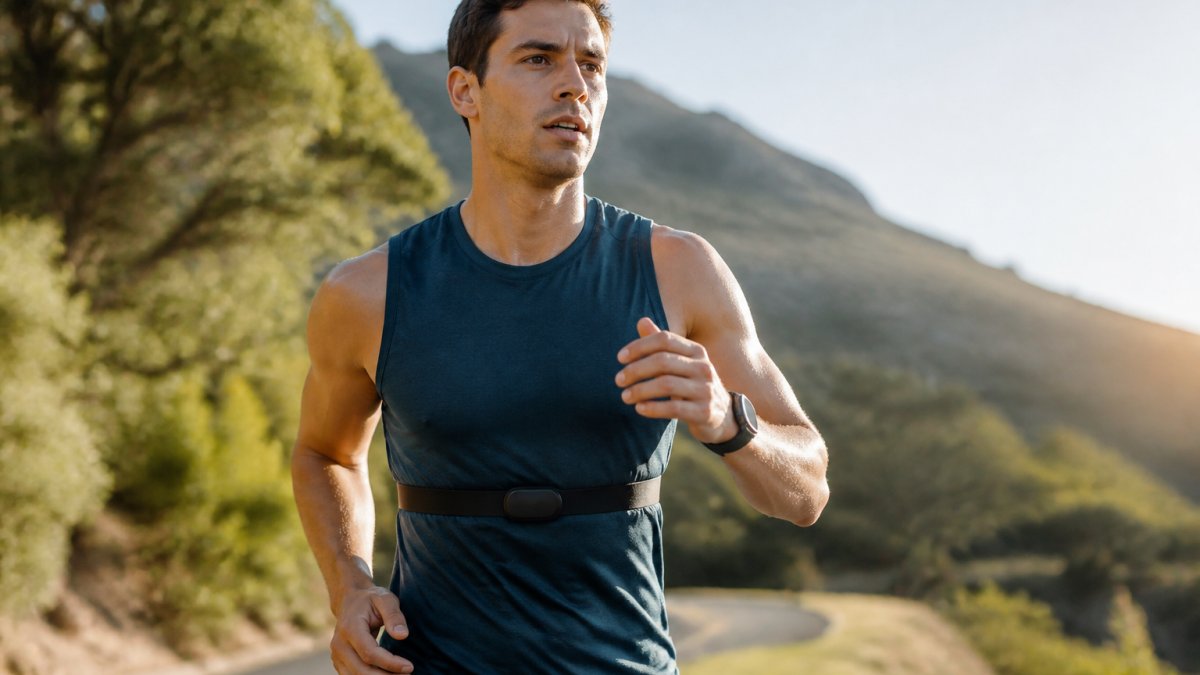
Whether you're chasing personal records, monitoring recovery, or building sustainable training habits, one of these five will fit your goals and budget.
Quick Comparison Table: Features and Pricing
| Device | Starting Price | Key Features | Best For | Water Resistance |
|---|---|---|---|---|
| Smart Watch 1.83" IP67 | $21.98 | Heart rate, activity tracking, touchscreen | Budget-conscious fitness enthusiasts | IP67 |
| T96 Smart Watch | $47.24 | Body temperature, blood pressure, sleep monitoring | Health-focused trackers | Not specified |
| Rugged Smart Watch | $84.70 | Outdoor sports modes, durable design, blood pressure | Adventure athletes | Rugged rated |
| IP67 Waterproof Smart Watch | $45.36 | 1.7" display, heart rate detection, sleep monitor | Android/iOS users | IP67 |
| GPS Smart Watch | $105.29 | Built-in GPS, Bluetooth calling, 100+ sport modes | Serious runners and cyclists | IP68 |
How to Choose a Fitness Tracker for Your Goals
Choosing the right wearable devices fitness depends on what you're measuring and how you train. First, answer this foundational question: do you need a smartwatch or a dedicated fitness tracker?

Smartwatch vs. Fitness Tracker: Understanding the Core Difference
A smartwatch is a wrist-worn computer that happens to track fitness; a fitness tracker is specialized for health metrics.
SmartWatches (like the GPS Smart Watch at $105.29) run operating systems like Wear OS and handle notifications, apps, and Bluetooth calling. Battery life ranges from 1-3 days because the always-on display drains power rapidly. The trade-off is versatility: calls, messages, and notifications alongside fitness metrics.

Dedicated fitness trackers strip away smartwatch features and focus on health metrics.
For runners and cyclists who train daily, battery life matters more than notifications.
For casual fitness enthusiasts wanting calls, messages, and fitness tracking on one device, a smartwatch makes sense despite shorter battery life.
Matching Device Type to Your Training Profile
Start by identifying your primary training goal. Are you optimizing for endurance? Recovery? Daily activity consistency?
Endurance Athletes (runners, cyclists, triathletes): You need continuous heart rate monitoring, GPS accuracy, and multi-day battery life.
Casual Fitness Enthusiasts: If you're tracking daily steps and weekly workouts, a smartwatch with 2-3 day battery life is sufficient.
Outdoor Adventure Athletes: You need durability, water resistance, and long battery life.
Selecting Specific Metrics That Matter
Once you've chosen smartwatch vs. fitness tracker, identify your primary metric. Heart rate variability requires continuous optical monitoring at 100+ Hz. Sleep quality tracking should distinguish sleep stages (light, deep, REM).
Most people buy feature-rich devices and ignore 90% of features. A $105 device with 100 unused sport modes is more expensive per feature than a $45 device with 10 modes you'll actually use.
Ecosystem Integration and Long-Term Compatibility
Your ecosystem matters because it determines whether your data flows into apps you're already using. If you're in Apple's ecosystem, an Apple Watch integrates seamlessly. For Android, confirm Bluetooth connectivity and app support.
Ecosystem lock-in is real. Before committing, check whether you can export data in standard formats (CSV or GPX). Some manufacturers make export easy; others make it deliberately difficult.
Budget Honestly
The cheapest option isn't always worst; the most expensive isn't always best. A $21.98 smartwatch with solid heart rate monitoring can outperform a $500 device if you never use its advanced features. Calculate cost per day: a $100 device used three years costs $0.09/day; a $500 device used two years costs $0.68/day.
Best Fitness Tracker for Athletes: Performance and Durability
Athletes need different things than casual fitness enthusiasts. You're measuring performance intensity, recovery metrics, and whether your body is adapting to training stress.
The Rugged Smart Watch at $84.70 includes specialized sport modes, blood pressure monitoring, and durable design. For serious athletes, durability is essential, a device that breaks mid-season wastes money and derails training data tracking.

The GPS Smart Watch at $105.29 offers built-in GPS for exact routes and pace data without your phone, Bluetooth calling, 100+ sport modes, and 24-hour health monitoring including heart rate and blood oxygen tracking.
Performance-focused wearables measure cadence, pace variability, heart rate zones, and caloric expenditure, telling you whether you're training hard enough to trigger adaptation.
Benefits of Wearable Technology in Sports
Wearable technology removes guesswork from training decisions.
Real-time monitoring changes behavior. Elevated resting heart rate signals your body needs recovery.
Smart Watch 1.83" IP67 Waterproof Fitness Tracker with Heart →
Wearables quantify progress motivation alone cannot.
Wearables catch injury prevention problems early. Elevated resting heart rate signals overtraining; unusual sleep patterns indicate stress or inadequate recovery.
A data-driven approach personalizes your program based on how your body actually responds, the competitive edge wearable technology provides.
Key Features That Matter: Biometric Sensors and Data Accuracy
Not all biometric sensors are equal. Optical heart rate monitors work for steady-state cardio but struggle with rapid intensity changes.
The T96 Smart Watch at $47.24 includes body temperature detection.
Blood pressure monitoring appears on several devices.
Sleep monitoring deserves special attention. Many devices track duration, but fewer distinguish sleep stages.
Data accuracy depends on sensor quality and consistent wear. A slipping device gives unreliable readings; loose contact loses temperature data.
Privacy, Durability, and Long-Term Value
You're not just buying a device; you're feeding it personal health data. Where does it go? Who has access? How long does the device last before becoming e-waste?
Data Privacy and Security: What Happens to Your Health Information
Health metrics are sensitive. Heart rate patterns, sleep data, location history, and stress levels reveal intimate details.
Third-party sharing is the hidden cost.
Data retention is critical. How long does the manufacturer keep your data?
For GPS devices, location data is particularly sensitive. GPS logs reveal where you live, work, and exercise.
Most consumer wearables fall outside HIPAA's scope because they're marketed as fitness devices, not medical devices.
Durability, Repairability, and Long-Term Cost of Ownership
Durability determines long-term value. A three-year device is cheaper per month than one breaking after eighteen months.
Battery degradation is the silent killer of wearable longevity. Most wearables lose 20% capacity after 500 charge cycles (roughly 18 months).
Most smartwatches aren't user-serviceable; batteries are soldered and screens glued.
Long-term value is about price-to-lifespan ratio. A $21.98 device used two years costs $0.03/day.
Conclusion: Finding Your Ideal Wearable Device
Match your training goals to device capabilities. For basic activity and heart rate tracking, the Smart Watch 1.83" IP67 at $21.98 delivers solid performance. For serious performance metrics and outdoor training, the GPS Smart Watch at $105.29 justifies the investment through GPS navigation, Bluetooth calling, and 100+ sport modes.
Frequently Asked Questions
What are the most popular wearable devices for fitness tracking?
The most popular wearable devices combine heart rate monitoring, activity tracking, and sleep analysis. Models like the Garmin Vivoactive 5 ($527.83) offer 11-day battery life and 30+ sports apps, while budget-friendly options like the Smart Watch 1.83" IP67 ($21.98) deliver real-time heart rate monitoring and comprehensive fitness tracking. Choose based on your sport intensity and data needs, athletes favor devices with advanced biometric sensors and ecosystem integration.
How do I choose the right wearable device for my training goals?
Start by identifying your primary metrics: heart rate variability, blood oxygen saturation, activity intensity, or recovery scores. If you're building strength and tracking volume, the T96 Smart Watch ($47.24) provides body temperature and blood pressure monitoring. For endurance athletes, the GPS Smart Watch with Bluetooth Calling ($105.29) offers 100+ sport modes and route tracking. Consider battery life (5-7 days for most, up to 11 days for premium models), water resistance rating, and whether you need ecosystem integration with your phone's health app.
Are wearable devices worth the investment for serious athletes?
Yes, when matched to your sport. Wearable technology provides real-time monitoring of heart rate, caloric expenditure, and recovery metrics, data that directly improves training decisions. The Rugged Smart Watch ($84.70) is built for outdoor sports with durable construction; the Parsonver GPS Watch ($105.29) tracks running routes and sedentary reminders. Athletes report better performance consistency when they use devices to monitor stress management and sleep stages. The key is selecting one with the biometric sensors and sport modes relevant to your discipline.
What wearable device offers the most accurate sleep tracking?
Devices with advanced sleep architecture analysis track deep sleep, light sleep, REM, and awake time. The Garmin Vivoactive 5 includes personalized sleep coaching and stress tracking; the Professional IP68 Waterproof Watch ($55.00) monitors sleep time and quality trends. The MT3 Bluetooth Smart Watch ($180.74) delivers 7-10 days of battery life, allowing consistent overnight tracking without frequent charging interruptions. Accuracy depends on consistent wear and proper wrist placement, optical heart rate monitors work best when the band sits snugly above the wrist bone.
Which wearable devices have the best battery life and water resistance?
The Garmin Vivoactive 5 leads with 11 days in smartwatch mode and 5+ days with GPS active. Most models offer IP67 or IP68 water resistance for swimming and water sports. The Professional IP68 Waterproof Watch ($55.00) provides 15-20 days standby time; the IP67 Waterproof Smart Watch ($45.36) delivers 10-20 days standby with 5-7 days normal use. Battery longevity depends on feature use, continuous heart rate monitoring, GPS, and notifications reduce battery life. Choose IP68 if you swim regularly; IP67 is sufficient for daily water exposure and sweat.
The fitness trackers in our collection at PureFitnessWarehouse.com are selected specifically for athletes and active individuals who need reliable biometric sensors, consistent data accuracy, and integration with their training ecosystem. Each device we carry has been evaluated for durability, user interface responsiveness, and real-world performance during workouts. Shop our curated wearable technology collection and start tracking the metrics that actually drive your fitness progress.