

Table of Contents
- Sleep and Rest as Foundational Recovery
- How to Reduce Muscle Soreness Naturally
- Active Recovery vs Passive Recovery
- Best Wearable Trackers for Recovery Monitoring
- Psychological Recovery and Stress Management
- Building Your Personalized Recovery Protocol
- Conclusion
Last Updated: August 27, 2026
Sleep and Rest as Foundational Recovery
Sleep is where the body does most of its repair work. During deep sleep stages, your nervous system shifts into parasympathetic dominance, which triggers muscle protein synthesis and glycogen replenishment. This isn't optional recovery, it's the foundation everything else builds on.
Most athletes underestimate sleep's role because the benefits aren't visible in the gym. You can't feel muscle protein synthesis happening at 2 AM. But the data is clear: athletes sleeping under 6 hours per night see measurably slower recovery compared to those getting 7-9 hours (peer-reviewed research). The difference compounds quickly over weeks and months.
Sleep quality matters as much as duration. Circadian rhythm disruption from irregular schedules, late-night training, or poor sleep hygiene degrades recovery even when total hours look adequate. If you're training hard but sleeping inconsistently, you're leaving significant performance gains on the table.
How to Reduce Muscle Soreness Naturally
Delayed onset muscle soreness (DOMS) peaks 24-48 hours after intense training and can derail your consistency. The soreness comes from microtrauma and the inflammatory response that follows. While some inflammation is necessary for adaptation, excessive soreness limits your ability to train hard the next session.
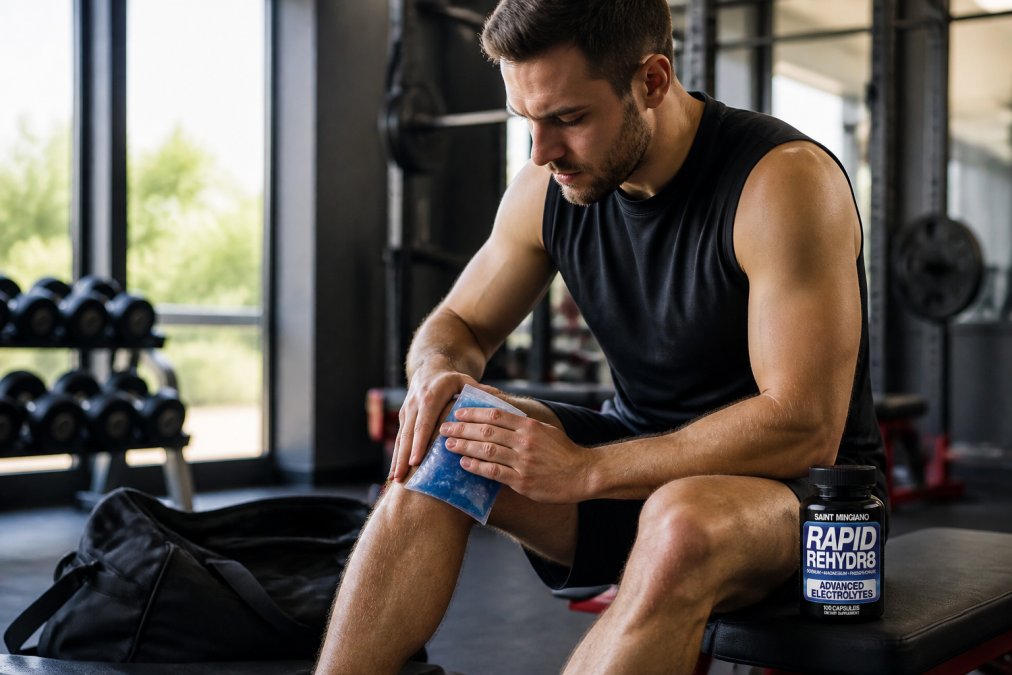
Natural approaches to DOMS focus on three mechanisms: reducing inflammation, accelerating metabolic waste removal, and supporting tissue repair. The most effective methods combine multiple strategies rather than relying on a single technique.
Nutrition and Hydration Protocols
Protein intake in the 2-4 hours after training supports muscle protein synthesis when paired with carbohydrates. Carbs replenish depleted glycogen stores, which accelerates recovery and reduces the inflammatory cascade that drives soreness.
Hydration status directly affects how efficiently your body clears metabolic waste from muscle tissue. Dehydration slows this process, extending soreness duration. Many athletes train hard but don't hydrate proportionally to their sweat rate, leaving recovery incomplete.
Electrolytes, sodium, potassium, magnesium, facilitate fluid retention and muscle function during recovery. Magnesium specifically supports neuromuscular relaxation and helps regulate inflammation. Products like Rapid Rehydr8 Electrolyte Capsules deliver these minerals in practical form, making it easier to hit your electrolyte targets without excessive sodium from food alone.

Tart cherry has been studied for its antioxidant properties, which may help reduce inflammation markers after intense training. Tart Cherry supplements concentrate these compounds for practical use in your recovery protocol.

Cold Water Immersion and Cryotherapy
Cold exposure triggers vasoconstriction, which reduces blood flow to damaged tissue and slows the inflammatory response. This provides short-term soreness relief but also delays some aspects of adaptation. The tradeoff: less soreness in the short term, potentially slower strength gains in the long term if overused.
Cold water immersion (CWI) works best when applied within 15 minutes of training completion and kept to 10-15 minutes at temperatures between 50-59°F (peer-reviewed research). Longer durations or colder temperatures don't improve recovery and may impair muscle adaptation.
Contrast water immersion, alternating between cold and warm water, creates vasodilation and vasoconstriction cycles that may enhance metabolic waste removal better than cold alone. The mechanism isn't fully understood, but many athletes report better soreness reduction with contrast therapy compared to cold-only protocols.
Cryotherapy chambers achieve similar effects through extreme cold exposure in shorter timeframes (2-3 minutes). The convenience appeals to busy athletes, though the evidence for superiority over cold water immersion remains mixed.
Massage and Soft Tissue Work
Manual massage increases blood flow to the treated area and may reduce muscle tension, both of which support faster recovery. Myofascial release techniques target the fascia surrounding muscle tissue, which can become restrictive after intense training.
Massage effectiveness depends heavily on timing and pressure. Light to moderate pressure within 24-48 hours post-training tends to reduce soreness. Deep, aggressive massage immediately after training can increase inflammation if the tissue is already damaged.
Active Recovery vs Passive Recovery
Active recovery involves light movement, walking, easy cycling, or gentle swimming, that promotes blood flow without adding training stress. Passive recovery means complete rest. The choice depends on your training intensity and recovery capacity.
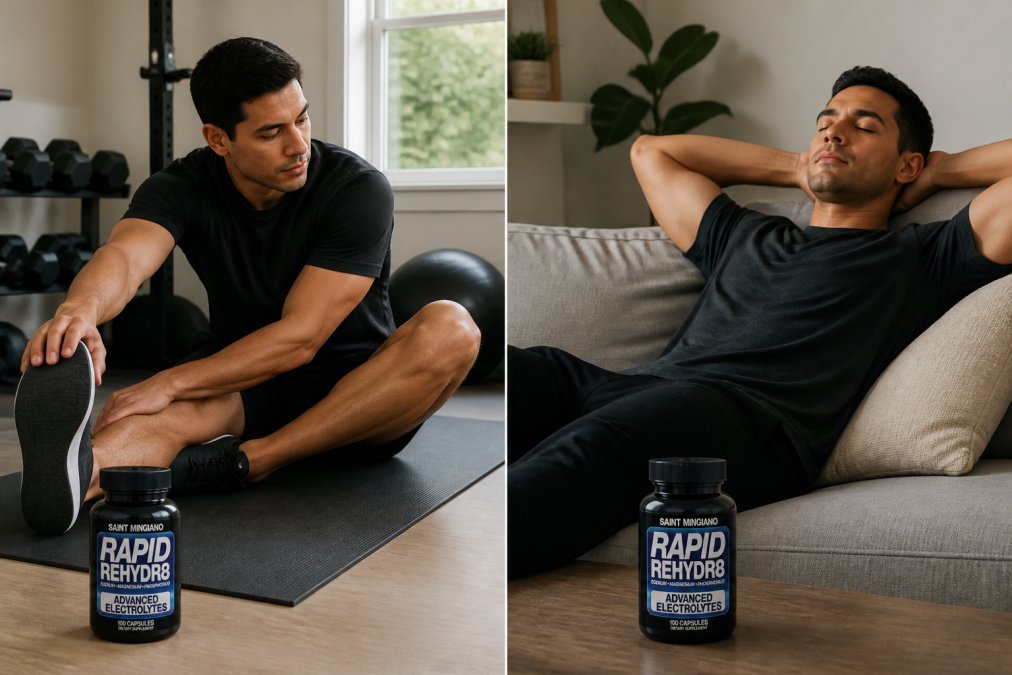
Active recovery works best after high-intensity sessions because it accelerates metabolic waste removal through increased circulation. Your parasympathetic nervous system also shifts into recovery mode more reliably with gentle movement than with complete inactivity.
Passive recovery becomes necessary when training load is extreme or when you're in a heavy training block. Overusing active recovery while already accumulating high training stress can prevent full nervous system recovery, which eventually leads to overtraining syndrome.
Most athletes benefit from mixing both: active recovery days after intense sessions, passive recovery days after very heavy training blocks or when fatigued.
Stretching and Mobility Exercises
Static stretching, holding a stretch for 30+ seconds, works best during recovery periods, not before training. During recovery, it reduces muscle tension and may improve joint mobilization when performed consistently.
Dynamic stretching and mobility drills improve range of motion through movement rather than static holds. These work well as part of active recovery because they combine light movement with flexibility gains.
Consistency matters more than intensity. Performing 10-15 minutes of stretching daily produces better long-term mobility than occasional longer sessions. The frequency supports circadian rhythm alignment and tissue adaptation better than sporadic effort.
Compression Garments and Therapy
Compression applies external pressure to muscle tissue, which may reduce swelling and support venous return during recovery. The evidence for compression is mixed, some athletes report significant soreness reduction, others see minimal benefit.
Compression works best when applied within 2-4 hours post-training and worn for several hours. Wearing compression throughout recovery periods (not just immediately after training) produces more consistent results than short-duration use.
The pressure level matters: moderate compression (20-30 mmHg) tends to be more effective than light compression for recovery purposes. Too much pressure can restrict blood flow rather than enhance it.
Best Wearable Trackers for Recovery Monitoring
Wearable devices track metrics like heart rate variability (HRV), sleep stages, and training load. These data points help you understand whether your recovery is keeping pace with your training stress.
Heart rate variability measures the variation in time between heartbeats, higher HRV generally indicates better parasympathetic recovery. Tracking HRV trends helps you identify when you're accumulating fatigue faster than recovering.
Sleep stage tracking reveals how much deep sleep and REM sleep you're getting, not just total hours. This distinction matters because two people sleeping 8 hours might have very different recovery if one spends 2 hours in deep sleep and the other spends 4 hours.
Training load metrics quantify the cumulative stress from your sessions. Comparing training load to recovery metrics shows whether you're in a sustainable balance or heading toward overtraining.
The best approach combines wearable data with how you feel. If your wearable says you're recovered but you feel flat, trust your subjective experience. If you feel great but your HRV is dropping, that's a signal to dial back intensity slightly.
PureFitnessWarehouse.com carries equipment and supplements designed to work alongside these monitoring systems. When you understand what your wearables are telling you, you can use targeted recovery tools, electrolytes, protein, compression, to address specific deficits rather than using them generically.
Psychological Recovery and Stress Management
The nervous system needs recovery as much as muscles do. High training stress combined with life stress (work, relationships, sleep debt) prevents full parasympathetic recovery, which limits physical adaptation.
Stress management techniques, meditation, breathwork, time in nature, activate the parasympathetic nervous system directly. Even 5-10 minutes daily produces measurable changes in HRV and sleep quality when practiced consistently.
Training periodization includes psychological recovery phases, not just physical deload weeks. These involve lower training intensity combined with stress management practices. Athletes who skip psychological recovery often plateau despite adequate sleep and nutrition.
Mental fatigue from overtraining manifests as reduced motivation, irritability, and difficulty concentrating. These are as much indicators of overtraining as physical symptoms like persistent soreness or elevated resting heart rate.
Building Your Personalized Recovery Protocol
Advanced recovery isn't about doing everything, it's about matching techniques to your specific training style, recovery capacity, and lifestyle constraints.
Start by identifying your primary recovery bottleneck. Are you sleep-deprived? Chronically dehydrated? Accumulating soreness that prevents consistent training? Address the biggest issue first before adding complexity.
Measure one metric consistently, whether that's HRV, sleep duration, or subjective soreness rating, to track whether your protocol is working. Changes take 2-4 weeks to appear, so consistency matters more than perfection.
Nutrition forms the foundation. Adequate protein intake, consistent hydration, and post-workout carbs + protein should be in place before adding supplements or advanced techniques. Magnesium Glycinate and Milk & Egg Protein from PureFitnessWarehouse.com provide practical support for these fundamentals.

Layer in techniques based on your training intensity and recovery response. High-intensity training justifies cold water immersion and compression. Moderate training might only need stretching and electrolyte support.
Periodize your recovery approach like you periodize training. Heavy training blocks warrant more passive recovery, active recovery, and sleep priority. Lower-intensity phases can include more aggressive soft tissue work and mobility drills.
| Recovery Element | Frequency | Best For | Implementation |
|---|---|---|---|
| Sleep (7-9 hours) | Nightly | All athletes | Consistent bedtime, dark room, cool temperature |
| Post-workout nutrition | Within 1 hour post-training | All training intensities | Protein + carbs, hydration |
| Stretching/mobility | Daily, 10-15 min | Chronic tightness, mobility gains | Static stretching during recovery periods |
| Active recovery | 1-3 times weekly | After high-intensity sessions | Light walking, easy cycling, gentle swimming |
| Cold water immersion | 1-2 times weekly | High-intensity training | 10-15 min at 50-59°F within 15 min post-training |
| Compression therapy | 2-4 hours post-training | Significant soreness | Moderate compression (20-30 mmHg) |
| Massage/soft tissue | 1-2 times weekly | Chronic tension, injury prevention | Light to moderate pressure |
| Stress management | Daily | All athletes | 5-10 min meditation, breathwork, or nature time |
Advanced recovery techniques for active athletes work best when they address your specific recovery gaps rather than applying generic protocols. According to research from the American College of Sports Medicine, recovery strategies tailored to individual training demands produce measurably better adaptation than one-size-fits-all approaches.
The most common mistake is adding recovery complexity before mastering fundamentals. Sleep, nutrition, and hydration account for 80% of recovery quality. Everything else, cryotherapy, compression, advanced tracking, enhances that foundation but doesn't replace it.
PureFitnessWarehouse.com provides the supplements and equipment you need to execute these protocols consistently. Whether you're addressing electrolyte deficits with Rapid Rehydr8 Electrolyte Capsules, supporting muscle protein synthesis with Milk & Egg Protein, or managing inflammation with Tart Cherry, our curated selection supports every phase of your recovery protocol. Start with your biggest recovery bottleneck, measure progress consistently, and build from there. Advanced recovery techniques compound over months and years, the athletes who win aren't those who try everything, but those who commit to the fundamentals and refine them systematically.
Frequently Asked Questions
What are the best advanced recovery techniques for reducing delayed onset muscle soreness?
The most effective advanced recovery techniques combine sleep optimization, nutrition timing, cold water immersion, and compression therapy. Sleep drives muscle protein synthesis and clears metabolic waste; aim for 7-9 hours nightly. Within 30 minutes post-workout, consume protein and carbohydrates to replenish glycogen and support tissue repair. Cold water immersion or contrast water therapy triggers vasoconstriction and vasodilation cycles that reduce inflammation. Compression garments worn for 2-4 hours post-exercise can support blood flow and may help reduce delayed onset muscle soreness (DOMS).
How do wearable trackers help optimize recovery monitoring and training load?
Best wearable trackers for recovery monitoring measure heart rate variability (HRV), resting heart rate, and sleep quality to assess parasympathetic nervous system activation and neuromuscular fatigue levels. HRV indicates your nervous system's readiness; dropping HRV suggests potential fatigue. Sleep tracking reveals circadian rhythm disruption. When combined with training load data, these metrics let you adjust intensity based on biometric feedback. Data-driven athletes using wearables can inform their periodization based on real biometric feedback.
Is active recovery or passive recovery better for muscle soreness?
Active recovery vs passive recovery depends on training intensity. After high-intensity sessions, passive rest (sleep, compression, elevation) allows your parasympathetic nervous system to dominate, supporting tissue repair and reducing inflammation. After moderate workouts, active recovery (light walking, yoga, 30-50% intensity cardio) increases blood flow without triggering new muscle damage, accelerating metabolic waste removal. Many athletes combine both: passive recovery on hard training days, active recovery on moderate days. This periodization approach can help manage training consistency.
What role do electrolytes and macronutrient timing play in recovery?
Electrolytes (sodium, magnesium, potassium) restore fluid balance and prevent cramping; [Rapid Rehydr8 Electrolyte Capsules](https://purefitnesswarehouse.com/products/rapid-rehydr8-electrolyte-supplements-100-capsules-aid-in-the-prevention-of-cramping-and-supports-muscle-endurance-and-recovery) ($24.95) provide convenient post-workout replenishment. Magnesium glycinate supports muscle relaxation and sleep quality. Macronutrient timing matters: consume 20-40g protein and 40-80g carbohydrates within 30-60 minutes post-exercise to maximize muscle protein synthesis and glycogen replenishment. [Tart Cherry supplements](https://purefitnesswarehouse.com/products/tart-cherry-bottle-60-count) reduce oxidative stress and inflammation, supporting faster recovery. [Milk & Egg Protein Signature Collection](https://purefitnesswarehouse.com/products/milk-egg-protein-signature-collection) ($73.99) delivers complete amino acid profiles for tissue repair.
This article was written using GrandRanker