

Table of Contents
- Why Plant-Based Protein Powder Supports Muscle Growth and Recovery
- How Plant-Based Protein Powder Aids Weight Management and Satiety
- Is Plant-Based Protein Powder Easy to Digest
- Plant-Based Protein vs Whey Protein: What Matters Most
- How to Choose the Best Vegan Protein Powder for Your Goals
- Bioavailability and Amino Acid Profiles: What Makes Quality Plant Protein
- Third-Party Testing and Safety Standards for Plant-Based Protein
- Frequently Asked Questions
Last Updated: September 24, 2026
Why Plant-Based Protein Powder Supports Muscle Growth and Recovery
Plant-based protein powder delivers the amino acids your muscles need to repair and grow after training. When formulated correctly, plant-derived proteins support muscle development as effectively as animal sources.
Training creates micro-tears in muscle fibers; protein synthesis repairs them and builds them back stronger. Plant-based protein powders provide the essential amino acids required for this process. The key is whether the powder contains a complete amino acid profile with adequate leucine, the primary trigger for muscle protein synthesis.
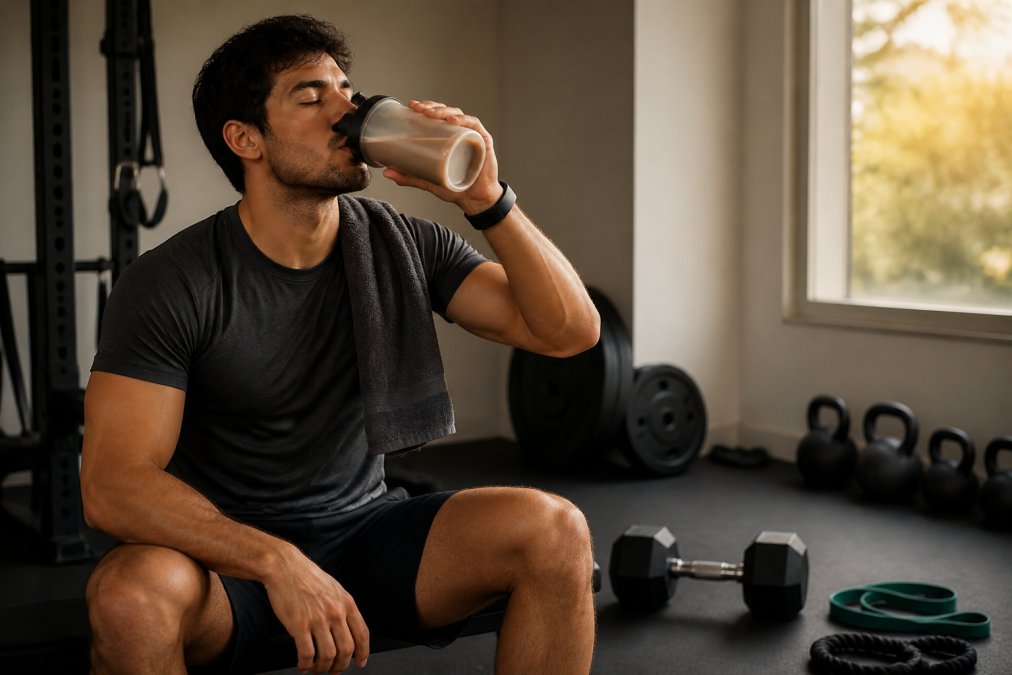
Many athletes assume plant proteins fall short because individual plant sources lack certain amino acids. That limitation disappears when manufacturers blend multiple plant sources. For example, the Complete Meal Protocol from PureFitnessWarehouse.com combines 21 grams of multi-source vegan protein per serving, delivering all nine essential amino acids your body cannot produce on its own.
Plant-based powders with digestive enzymes and probiotics reduce bloating and digestive stress, speeding recovery and readiness for the next session.
How Plant-Based Protein Powder Aids Weight Management and Satiety
Plant-based protein powder supports weight management by increasing fullness signals in your brain, reducing overall calorie intake without relying on willpower alone.
Protein triggers appetite hormones like peptide YY and glucagon-like peptide-1, signaling fullness to your brain. Plant-based powders deliver this effect as reliably as whey at 20+ grams per serving.
Many plant-based powders include dietary fiber, which slows gastric emptying and maintains fullness signals. Protein plus fiber creates powerful satiety that supports calorie deficits without constant hunger.

MCT oil, found in formulations like the UpNourish Complete Meal Protocol available at PureFitnessWarehouse.com, provides sustained energy without blood sugar spikes. Unlike simple carbohydrates that trigger rapid glucose surges followed by crashes, MCTs convert to ketones quickly, supporting steady energy and reducing cravings.
Protein alone doesn't create lasting satiety. The best plant-based formulas combine protein, fiber, healthy fats, and complex carbohydrates.
Is Plant-Based Protein Powder Easy to Digest
Digestive enzymes like amylase, protease, and lipase break down proteins, carbohydrates, and fats into absorbable units, reducing bloating and gas. The SunFit Protein Plus from PureFitnessWarehouse.com is easy to digest.
Plant-Based Protein vs Whey Protein: What Matters Most
Whey protein isolate contains roughly 90% protein by weight. Plant-based blends typically contain 70-80%, with the remainder being carbohydrates, fiber, and fats.
| Factor | Plant-Based Protein | Whey Protein Isolate |
|---|---|---|
| Protein concentration | 70-80% per serving | 90%+ per serving |
| Complete amino acid profile | Yes (when blended) | Yes |
| Dairy-free | Yes | No |
| Fiber content | Often included | Minimal |
| Digestive comfort | Varies by source | Can cause bloating in lactose-sensitive individuals |
| Environmental impact | Generally lower | Higher |
| Allergen risk | Lower for dairy-sensitive individuals | Unsuitable for lactose intolerant |
How to Choose the Best Vegan Protein Powder for Your Goals
Start by defining your primary goal. Are you building lean muscle mass, managing weight, or optimizing general fitness recovery? Your goal determines which features matter most.
For muscle building, prioritize 20+ grams of protein per serving with a complete amino acid profile including adequate leucine, isoleucine, and valine.
For weight management, seek formulas combining protein (20+ grams), dietary fiber (5+ grams), and healthy fats like MCT oil to extend fullness between meals.
NOW AVAILABLE SunFit Protein Plus →
For general recovery, look for micronutrient density including iron, B vitamins, zinc, and magnesium.
Taste and texture matter, a powder you dislike won't stay in your routine. Try single-serving packets before committing to large containers.
Bioavailability and Amino Acid Profiles: What Makes Quality Plant Protein
The practical impact: a high-bioavailability plant protein powder at 20 grams per serving delivers approximately 18 grams of usable protein (90% bioavailability). A low-bioavailability powder at 25 grams delivers approximately 17.5 grams (70% bioavailability). You'd need to consume 28 grams of the low-bioavailability powder to match the usable protein, which often exceeds practical serving sizes. This is why processing method and ingredient selection matter as much as total protein content on the nutrition label.
Third-Party Testing and Safety Standards for Plant-Based Protein
Third-party testing provides independent verification across three critical areas: contaminant screening (heavy metals, pesticides, pathogens), label accuracy verification, and banned substance screening.
Heavy Metal Testing:
Label Accuracy Verification:
Banned Substance Screening:
Microbiological Testing: Third-party labs test for pathogens like E. coli, Salmonella, and Listeria. Plant proteins are dried and processed, reducing pathogen risk compared to raw foods, but testing confirms safety. USP and NSF both include microbiological testing in their certification protocols.
How to Verify Certifications: Reputable manufacturers publish third-party test results publicly on their websites or provide them upon request. If a company won't share test reports, that's a significant red flag. The most transparent approach is to look for these specific certifications on packaging:
- NSF Certified for Sport: Comprehensive testing including heavy metals, banned substances, and label accuracy. Gold standard for athletes.
- NSF Dietary Supplement Certification: Heavy metals, label accuracy, and microbiological testing without banned substance screening.
- USP Verified: Label accuracy, heavy metals, and microbiological testing. Widely recognized quality mark.
- Informed Choice: Banned substance screening specifically for competitive athletes.
- ConsumerLab Approved: Independent testing for label accuracy and contaminants.
What to Avoid: Powders with no third-party certification, especially budget brands. Proprietary blends without ingredient transparency make it impossible to assess quality. Vague sourcing claims like "plant-based protein from multiple sources" without specifying which plants or where they're grown indicate lack of quality control.
Frequently Asked Questions
Does plant-based protein powder build muscle as effectively as whey?
Plant-based protein can support muscle growth when it provides a complete amino acid profile with adequate leucine, the key amino acid that triggers protein synthesis. Quality plant-based options like SunFit Protein Plus deliver 20 grams of complete protein per serving, matching the protein content of many whey products. The difference lies in bioavailability and amino acid ratios, whey absorbs faster, but plant-based formulas with diverse sources (pea, rice, hemp blends) provide sustained amino acid delivery and additional benefits like fiber and micronutrients that whey lacks.
How do you choose a high-quality plant-based protein powder?
Check the amino acid profile for completeness, ensure it contains all nine essential amino acids in meaningful amounts. Examine the ingredient list for whole food sources rather than isolated amino acids, and verify digestive enzyme inclusion if you have sensitivity concerns. Products like UpNourish Complete Meal Protocol combine 21g plant protein with probiotics and digestive enzymes specifically to support comfortable digestion without bloating.
Is it safe to take plant protein powder every day?
Daily plant-based protein powder use is safe for most people. Plant-based formulas can be easy on the digestive system for daily consumption, especially when they include probiotics and digestive enzymes. Aim for 1-2 servings daily as part of your total protein intake, not as your only protein source. For active individuals and fitness enthusiasts, daily use supports muscle recovery and satiety without concern.
What are the main benefits of plant-based protein powder for weight loss?
Plant-based protein powders support weight loss through three mechanisms: high satiety (especially formulas with fiber and MCT oil), and lower calorie density when choosing isolate-based products. The fiber content aids blood sugar regulation, preventing energy crashes that trigger overeating. Products like UpNourish deliver 21g protein with MCT oil and dietary fiber in just 160 calories, keeping you full longer while supporting metabolic function.