

Table of Contents
- How Wearable Technology Supports Weight Loss
- Best Fitness Trackers for Weight Loss
- How to Use Fitness Tracker Data for Weight Loss
- Accuracy of Calorie Burn on Fitness Trackers
- The Role of Real-Time Feedback in Behavioral Change
- What Wearables Cannot Do: Limitations You Should Know
- Building a Data-Driven Weight Loss Strategy
- Frequently Asked Questions
Last Updated: September 25, 2026
How Wearable Technology Supports Weight Loss
Does wearable technology help with weight loss? The short answer is yes, but with important caveats. Wearable devices like fitness trackers and smartwatches provide real-time feedback on physical activity, caloric expenditure, and behavioral patterns that demonstrate how does wearable technology help with weight loss when used strategically. However, the technology alone doesn't create results, it's the behavioral change it enables that matters.
Wearables work by tracking metrics that influence weight loss: daily step count, active minutes, heart rate during exercise, and sleep patterns. When you can see these data points in real time, you're more likely to close your activity rings, hit your step goal, or adjust your workout intensity. This immediate feedback creates a feedback loop that reinforces habit formation. The appeal is straightforward: what gets measured gets managed.
At PureFitnessWarehouse.com, combining wearable tracking with intentional exercise equipment can help users see strong results. A fitness tracker alone won't burn calories, but pairing it with equipment like our Vibration Plate Exercise Machine ($101.74) creates a complete data-driven fitness system where every workout is tracked and optimized.

The real power of wearables lies in behavioral change. Research shows that people who monitor their activity tend to increase their physical activity levels, which directly supports weight loss efforts (Checking your browser). But this only works if you're willing to act on the data. Many users collect numbers without translating them into action, that's where the technology fails.
Best Fitness Trackers for Weight Loss
Choosing the right fitness tracker depends on your specific needs and how you plan to use the data. Some trackers excel at calorie tracking, others at workout logging, and some at overall lifestyle monitoring. The best fitness tracker for weight loss is one you'll actually wear and check regularly.
Feature depth matters more than brand recognition. Look for trackers that offer real-time feedback on calories burned, active minutes, and daily movement. Integration with mobile health applications amplifies the tracker's value, when your fitness data syncs automatically with a nutrition app or workout log, you eliminate friction and stay more accountable.
Battery life is often overlooked but critical. A tracker that requires daily charging gets left on the nightstand. Devices lasting 5-7 days see better long-term usage. Water resistance matters if you swim or do water-based cardio, which are excellent low-impact activities for sustained weight loss.
Price doesn't always correlate with weight loss effectiveness. Mid-range trackers ($100-$200) typically offer all the features you need for behavioral tracking. Premium devices add features like ECG monitoring and advanced sleep analysis, which are nice but not essential for weight loss specifically.
Consider how the tracker integrates with your existing fitness ecosystem. If you already use a particular workout app or nutrition tracker, compatibility matters. Seamless data flow between devices reduces the mental load of manual logging and keeps you engaged with your progress.
How to Use Fitness Tracker Data for Weight Loss
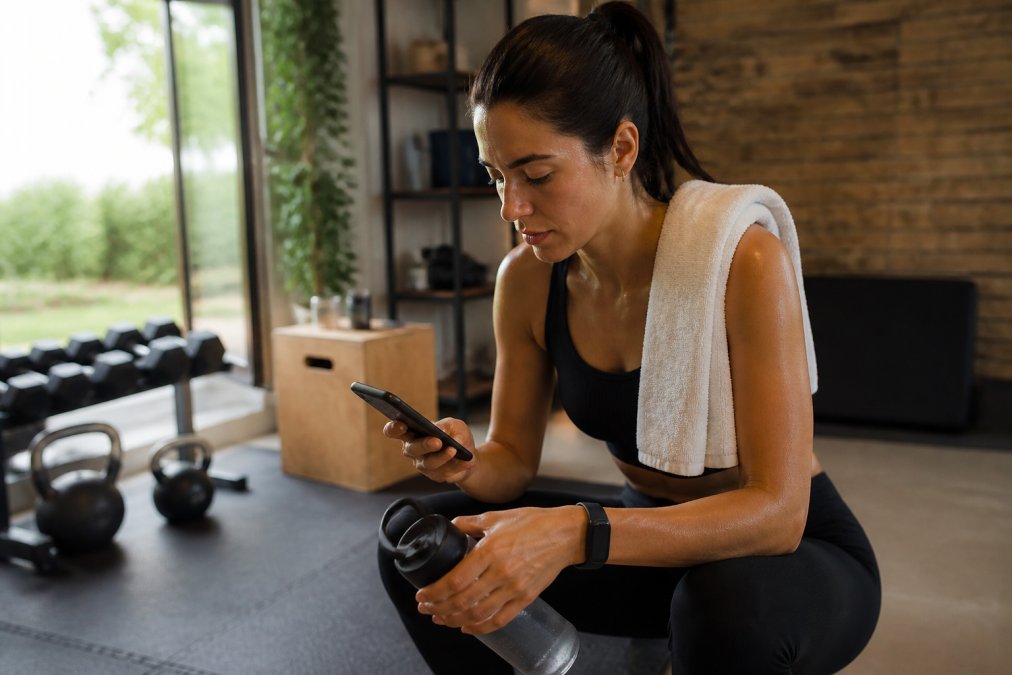
Most people collect fitness tracker data without actually using it. They see their step count, forget it within an hour, and repeat the next day. Real weight loss comes from interpreting the data and adjusting your behavior based on what it reveals.
Start by establishing baseline metrics. Wear your tracker for one week without changing your routine. Record your average daily steps, active minutes, and calories burned. This baseline becomes your reference point. Many people discover they're far less active than they thought, a reality check that motivates change.
Next, set a single metric to optimize. Don't try to improve everything at once. Choose one target: maybe 10,000 daily steps, or 30 minutes of elevated heart rate activity. Focus on hitting that metric consistently for two weeks. Once it becomes automatic, add a second metric.
Track trends, not daily fluctuations. Weight loss isn't linear, and neither is daily activity. A single day of low activity doesn't mean failure. Look at weekly and monthly patterns. If your average weekly steps are increasing, you're moving in the right direction. If they're flat or declining, you need to adjust your approach.
Use your tracker to identify your personal patterns. Some people are naturally active in the morning; others peak in the evening. Your tracker reveals when you move most and when you're typically sedentary. Schedule your intentional exercise during your natural low-activity windows to maximize total daily movement.
Real-time feedback is most powerful immediately after a workout. Check your tracker right after exercise to see your heart rate recovery, calories burned, and active minutes. This immediate reinforcement strengthens the behavior-outcome connection. Over time, this creates intrinsic motivation, you move because you want to see the data improve, not because you feel obligated.
Accuracy of Calorie Burn on Fitness Trackers
Here's what most fitness tracker users don't realize: calorie burn estimates on wearables are educated guesses, not precise measurements. Your tracker estimates calories based on your age, weight, heart rate, and movement patterns. It cannot measure your actual metabolic rate or the exact energy your body expended.
Vibration Plate Exercise Machine 120 →
The accuracy issue matters most for people relying on calorie data to guide nutrition. If your tracker says you burned 500 calories during a run, the actual number could range from 400 to 600 depending on your fitness level, muscle mass, and metabolic efficiency. That's a significant margin of error when you're trying to create a caloric deficit for weight loss.
Heart rate-based trackers are generally more accurate than step-only devices because heart rate correlates more closely with energy expenditure. However, even heart rate data has limitations. Factors like caffeine, stress, and fitness level affect how your heart responds to exercise, influencing the calculation.
The practical approach: use calorie estimates as directional data, not absolute truth. If your tracker says you burned 500 calories, assume the real number is somewhere between 400 and 600. Use this range to inform your nutrition decisions, but don't obsess over exact numbers. The consistency of tracking matters more than the precision.
Wearable devices may underestimate calorie burn for high-intensity activities and overestimate for low-intensity steady-state cardio. If you do strength training with equipment like our Adjustable Jump Rope ($34.00), calorie burn estimates may vary. Conversely, a slow walk might show higher calorie burn than actually occurred.

The Role of Real-Time Feedback in Behavioral Change
Real-time feedback is where wearables create their most tangible impact on weight loss. Seeing your step count increase as you move, or your heart rate zone change during a workout, provides immediate reinforcement. This instant gratification strengthens the neural pathways associated with the behavior, making it more likely to repeat.
Behavioral psychology shows that immediate feedback is more powerful than delayed feedback. A fitness tracker that buzzes when you hit your daily goal works better than a weekly email summary. The immediacy creates a reward cycle that motivates continued effort.
Motivation through data works best when the goals are personal. A generic "10,000 steps" target doesn't resonate as strongly as "I want to move more than yesterday." Wearables that let you set custom goals and celebrate personal progress tend to drive better long-term engagement.
However, real-time feedback can also create unhealthy obsession. Some users become fixated on hitting arbitrary numbers, exercising when injured or skipping rest days to maintain streaks. This is where the limitations of wearable technology become apparent, the device doesn't distinguish between healthy and harmful pursuit of metrics.
The sweet spot is using real-time feedback to build awareness without becoming obsessive. Check your tracker a few times daily to stay aware of your activity level. Celebrate when you hit goals. But recognize that rest days are part of the process, and missing a single day doesn't derail progress.
What Wearables Cannot Do: Limitations You Should Know
Wearable devices excel at tracking movement and heart rate, but they can't control the two biggest drivers of weight loss: nutrition and sleep quality. Your tracker can tell you how many calories you burned, but it can't prevent you from consuming more calories than you expended. A 500-calorie deficit through exercise is easily erased by a single meal.
Most fitness trackers offer minimal nutrition tracking. Some integrate with nutrition apps, but the data entry burden falls on you.
Building a Data-Driven Weight Loss Strategy
A data-driven approach to weight loss means using multiple data points to inform decisions, not just chasing a single metric. Your fitness tracker is one input. Your nutrition data, sleep quality, stress levels, and how you feel during workouts are equally important.
Frequently Asked Questions
Can wearable devices actually help you lose weight, or do they just collect data?
Wearable technology can help with weight loss when used strategically. Studies show that devices providing real-time feedback increase physical activity and boost user engagement with fitness goals. However, the device itself doesn't cause weight loss, your actions do. The wearable's real value is accountability and motivation. If you ignore the data, the tracker won't help. The most successful users treat their wearable as a behavioral tool, not just a counter.
How accurate are fitness trackers at measuring calorie burn?
Fitness tracker accuracy varies significantly by model and individual factors. Most devices estimate calorie expenditure using algorithms based on heart rate, steps, and personal data like age and weight. Studies show errors ranging from 10-40% depending on activity type and device quality. High-intensity interval training and swimming tend to be less accurate than steady-state cardio. For weight loss, treat tracker calorie estimates as directional guidance, not precise measurements. Pair them with nutrition tracking for a more complete picture.
What's the best way to use fitness tracker data to actually lose weight?
Start by establishing a baseline: wear your tracker for one week without changing habits to understand your typical activity level and calorie burn. Then set a realistic daily step or activity goal, typically 7,000-10,000 steps, and increase gradually. Review your data weekly, not daily, to spot patterns and trends rather than obsessing over daily fluctuations. Combine activity data with nutrition tracking for the most effective approach. Use the feedback to identify your most active times and plan workouts accordingly. Consistency matters more than perfection.
Should I rely entirely on my fitness tracker for weight loss, or do I need other tools?
Wearables work best as part of a complete strategy, not as a standalone solution. A tracker excels at monitoring physical activity and providing motivation, but it cannot manage nutrition, sleep quality, or stress, all critical for weight loss. Pair your tracker with a nutrition app, a food scale, and a consistent exercise routine. If you're hitting your activity goals but not losing weight, the issue is typically diet-related. Wearables are accountability tools; they're most effective when combined with intentional eating habits and structured training.