

Table of Contents
- Whey Protein Isolate vs Concentrate: What Beginners Need to Know
- The Cost-Per-Gram Reality: Is Whey Isolate Worth the Price?
- Protein Powder Dosage for Beginners: How Much Do You Actually Need?
- The Best Time to Take Whey Protein for Recovery and Results
- Taste, Texture, and Mixability: What Beginners Notice First
- A Budget-Based Decision Matrix for Choosing Your First Whey
- Conclusion: Making the Right Call for Your Goals
- Frequently Asked Questions
Last Updated: September 16, 2026
Whey Protein Isolate vs Concentrate: What Beginners Need to Know
For most beginners, the honest answer to "is whey protein isolate worth it for beginners" is yes, with a catch. Whey protein isolate is a filtered form of whey that removes most fat and lactose, leaving a higher protein percentage per scoop than concentrate. That purity costs more, and whether it earns that premium depends on your stomach, your budget, and how often you actually train.

Here's what matters: isolate and concentrate both build muscle. The difference is what else rides along with the protein.
Protein Purity and Percentage Per Scoop
Protein purity is the share of each scoop that is actual protein rather than fat, carbs, and moisture. Isolate typically lands in the 90% range on a protein-by-weight basis, while concentrate usually sits closer to 70-80%. That gap is the entire marketing story behind isolate.
In practice, this means a scoop of isolate delivers more protein for the same volume of powder. If you're counting macronutrients carefully, that math is easy to appreciate. If you're just trying to hit a daily protein target and don't mind a few extra grams of carbs, concentrate gets you there for less money.
Lactose Content and Digestive Distress
Lactose content is where isolate earns its reputation. The filtration process that raises protein purity also strips out most of the lactose, which is why people with dairy sensitivity often tolerate isolate better than concentrate.
If you've ever felt bloated or cramped after a shake, concentrate is the usual suspect. That said, not everyone reacts. Plenty of beginners drink concentrate for years without issue. The only way to know which camp you're in is to try one and pay attention to how you feel in the hours after.
The Cost-Per-Gram Reality: Is Whey Isolate Worth the Price?
Cost-per-gram is the number that actually decides this question, and almost nobody does the math. Divide the tub price by the total grams of protein inside, not by the total weight of the powder. That single calculation cuts through most of the marketing.
Here's the formula:
Cost per gram of protein = Tub price ÷ (Grams of protein per scoop × Number of scoops per tub)
Worked example. Say a 2 lb tub of concentrate costs $40 and delivers 20 g of protein per scoop with 30 scoops inside. That's 600 g of total protein, so $40 ÷ 600 = about $0.067 per gram. A 1.5 lb tub of isolate at $50 with 25 g per scoop and 25 scoops gives you 625 g of protein, so $50 ÷ 625 = $0.080 per gram. The isolate costs roughly 20% more per gram of actual protein, a real premium, but smaller than the sticker price suggests, because you're buying less filler.
That gap is the whole argument. Isolate costs more per tub because the filtration process, typically micro-filtration, ultrafiltration, or ion exchange, is more involved and yields less finished powder per gallon of raw whey. Whether that premium is justified comes down to your priorities.
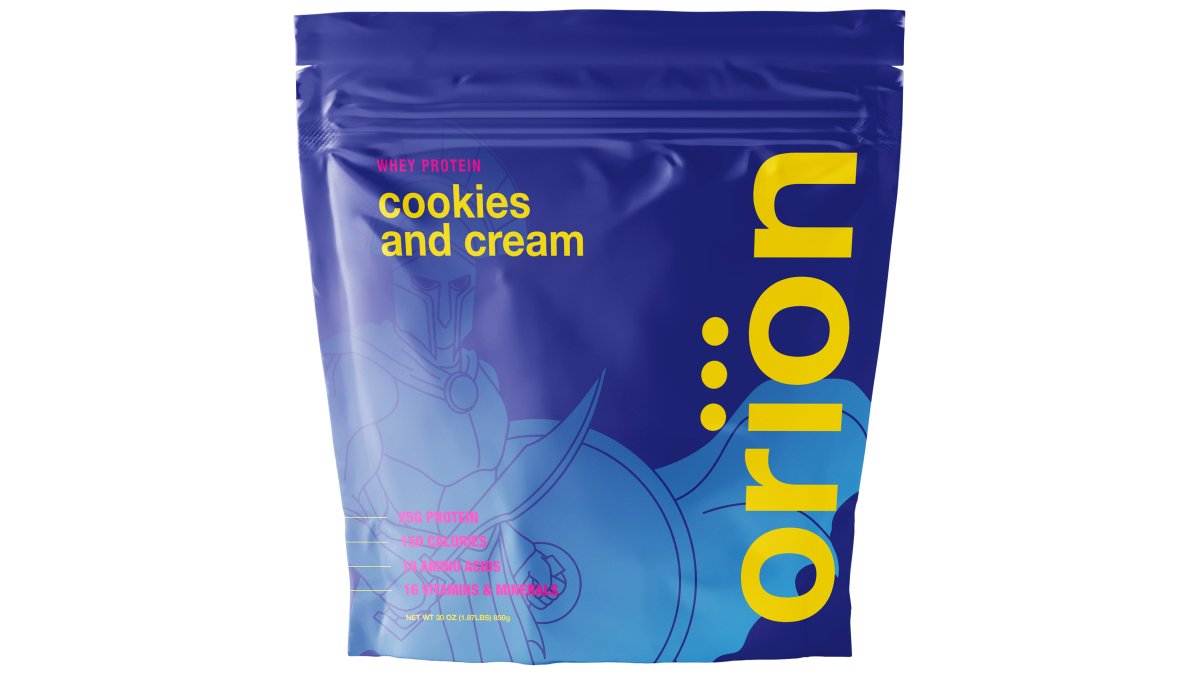
Here's how the decision usually breaks down for beginners:

| Your Priority | Better Choice | Why |
|---|---|---|
| Lowest cost per gram | Concentrate | More protein per dollar |
| Easy digestion | Isolate | Minimal lactose |
| Lean macros | Isolate | Less fat and carbs |
| First-time buyer testing tolerance | Small isolate tub | Lower risk of stomach upset |
| Mixing in water, thin texture | Isolate | Lower fat content dissolves cleaner |
| Baking or blending into food | Concentrate | Fat and carbs improve texture and browning |
A common mistake is buying the biggest, cheapest tub on the shelf and then quitting because it upsets your stomach. Start smaller, learn your tolerance, then scale up.
Protein Powder Dosage for Beginners: How Much Do You Actually Need?
The practical starting point for most beginners is one scoop per day, taken around training. That's not a rule from a governing body; it's the simplest way to add protein without overhauling your diet.
Chocolate Whey Isolate Protein Powder →
Your total daily protein target matters more than any single scoop. A widely used general range is roughly 1.2 to 1.6 grams of protein per kilogram of body weight per day for active adults, with many recreational lifters landing near the lower end and more serious trainees pushing higher. For a 150 lb (about 68 kg) beginner, that's roughly 82 to 109 g of protein per day from all sources combined. Food should cover most of it. Powder fills the gap.
Here's how that plays out in practice.
For a beginner, the sequence looks like this:
- Estimate your daily protein target based on your weight and training. Multiply your body weight in pounds by roughly 0.5 to 0.7 to get a starting gram target.
- Track what you eat for a few days to see the gap between that target and what food already delivers.
- Use one scoop, typically 20 to 30 g of protein depending on the product, to close that gap, not to replace meals.
- Adjust up or down based on how you feel, how you recover, and whether your training is progressing.
The Best Time to Take Whey Protein for Recovery and Results
The best time to take whey protein is whenever it helps you hit your daily total, and for most people that means within a couple of hours of training. The old idea of a narrow post-workout window has loosened considerably. Total daily intake drives results more than clock precision.
Taste, Texture, and Mixability: What Beginners Notice First
Taste and texture are the reasons beginners quit protein powder, not results. A powder that clumps or tastes artificial won't survive past the first week, no matter how pure it is.
A Budget-Based Decision Matrix for Choosing Your First Whey
Use your budget and your stomach to pick, not the label with the biggest number. Here's a simple way to decide:
- Tight budget, no digestive issues: Start with concentrate. You'll get solid protein for less per gram.
- Tight budget, sensitive stomach: Start with a small isolate tub and stretch it by using half scoops.
- Moderate budget, training hard: Isolate is a reasonable default because it's easy to digest and mixes clean.
- Moderate budget, want flavor variety: Buy one chocolate and one vanilla isolate so you don't burn out on a single taste.
Conclusion: Making the Right Call for Your Goals
The real question isn't whether isolate is better on paper. It's whether your stomach and your budget can support it long enough to matter. Consistency beats purity every time.
Frequently Asked Questions
Frequently Asked Questions
What are the downsides of whey protein isolate?
The main downside is cost. Whey protein isolate typically costs more per serving than concentrate because the filtration process is more expensive. Some beginners also find the texture slightly thinner than concentrate, which contains more fat and lactose. If you do not have dairy sensitivity or specific macro targets, the extra purity may not justify the higher price. However, if you want minimal carbs and fat per scoop, isolate delivers that.
Do beginners really need whey protein isolate?
Not necessarily. Beginners can meet protein needs with concentrate if they tolerate lactose and want to save money. Isolate makes more sense if you experience digestive distress from concentrate, follow a strict macro plan, or want the highest protein percentage per scoop. The key is total daily protein intake, not the type of whey. Start with a dosage that fits your body weight and training load, then adjust based on how you feel.
Is whey protein isolate better for weight loss?
Isolate can help with weight loss because it has less fat and carbs per scoop, making it easier to hit protein targets without extra calories. Higher protein intake also supports satiety and lean muscle retention during a calorie deficit. However, weight loss still depends on overall calorie balance. Isolate is a tool, not a magic solution. Choose it if you want a leaner protein source, but track total calories and stay consistent with training.
How does lactose content differ between whey types?
Whey protein concentrate contains more lactose than isolate. Isolate goes through additional filtration that removes most lactose, often to less than 1 gram per serving. If you are lactose intolerant or sensitive to dairy, isolate is usually easier on your stomach. Beginners who get bloating or gas from concentrate should try isolate. Check the label for lactose content if you are unsure, and start with a small serving to test tolerance.
What is the best time to take whey protein as a beginner?
The best time is whenever it helps you consistently hit your daily protein target. Many beginners take it within a couple of hours after training, but the anabolic window is wider than once thought. You can also use it between meals or as a snack. Consistency matters more than timing. Pick a time that fits your routine, whether that is post-workout, with breakfast, or before bed.