

Table of Contents
- What Integrated Fitness Tracking Systems Actually Do
- Real Performance Gains: How Data Integration Improves Athletic Results
- How to Sync Fitness Apps with Wearable Devices
- Benefits of Heart Rate Variability Tracking for Recovery and Adaptation
- Fitness Tracker Data Privacy Standards and What They Mean for Your Information
- Long-Term Health Outcomes vs. Short-Term Metrics: Why the Ecosystem Matters
- Breaking Through Plateaus: Using Integrated Systems to Drive Behavioral Change
- Conclusion
Last Updated: August 29, 2026
What Integrated Fitness Tracking Systems Actually Do
Integrated fitness tracking connects wearable devices, smartphone apps, and health platforms into a unified ecosystem where your data flows automatically between systems instead of sitting isolated in separate apps.
The core function is straightforward: your smartwatch captures heart rate, sleep, and activity data. Your fitness app logs workouts and nutrition. Your recovery tools track metrics like heart rate variability and body temperature. Instead of checking five different apps to understand your performance, integrated systems consolidate this information into actionable insights you can actually use.

This matters because fragmented data creates blind spots. You might see that your workout felt harder than usual, but without connecting that observation to your sleep quality, stress levels, and recovery metrics, you're essentially guessing at the cause. Integrated systems eliminate that guesswork by showing you the full picture of what's driving your performance.
The practical outcome: you make better decisions faster. A runner using an integrated system can see that their pace dropped two weeks ago, correlate it with declining sleep quality, and adjust their training accordingly. Without integration, they'd likely just push harder and risk overtraining.
Real Performance Gains: How Data Integration Improves Athletic Results
When your fitness data lives in one ecosystem, you can spot patterns that remain invisible in fragmented systems. Athletes using integrated platforms report being able to identify what actually moves the needle on their performance rather than chasing assumptions.
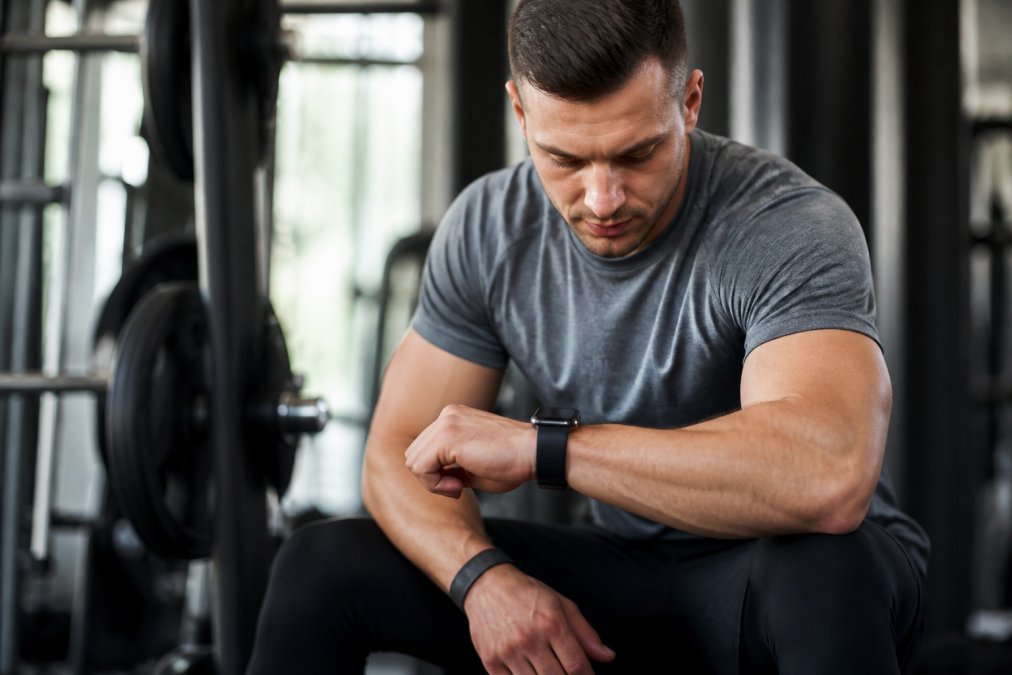
The mechanism is simple but powerful. Real-time feedback during workouts lets you adjust intensity based on actual biometric data rather than how you feel. If your heart rate variability indicates you're not recovered enough for a hard session, you can dial back intensity and avoid unnecessary fatigue. If your data shows you're primed for a breakthrough workout, you can push harder with confidence.
Behavioral modification follows naturally from this feedback loop. When you can see exactly how sleep affects your lifting performance three days later, you stop treating sleep as optional. When your integrated system shows that your cardiovascular fitness improved 8% over eight weeks, you stay consistent with the approach that's working.
The accountability piece matters too. A smartwatch that syncs automatically to an app you check daily creates consistent visibility. You can't ignore data that's right in front of you. This ongoing feedback drives adherence in ways that monthly check-ins never could.
Athletes also gain the ability to optimize recovery more precisely. Instead of following generic recovery protocols, you can see what actually restores your metrics fastest. Some people need more sleep. Others respond better to active recovery. Integrated data reveals your individual pattern, not the population average.
How to Sync Fitness Apps with Wearable Devices
The technical process varies by device and app, but the fundamental approach is consistent: establish a connection between your wearable and your chosen fitness platform, then authorize data sharing.
Start by identifying your primary ecosystem. Most athletes choose either Apple Health, Google Fit, or a dedicated fitness app like Strava or MyFitnessPal as their central hub. This becomes your data aggregation point. From there, you'll connect individual devices and secondary apps to feed data into that hub.
For smartwatches, the pairing process typically happens within the watch's native app. Download the manufacturer's app on your phone, create an account, and pair the devices via Bluetooth. Once paired, the watch automatically syncs biometric data to that app's ecosystem. From there, you can authorize third-party fitness apps to access that data.
The authorization step is critical. Within your primary fitness app, look for "Connected Services," "Integrations," or "Data Sources." Select your smartwatch manufacturer and approve data sharing. Most platforms request read-only access to heart rate, activity, and sleep data, which is standard.
For comprehensive integration, connect multiple data sources:
- Your smartwatch or fitness tracker (primary activity and biometric data)
- A dedicated fitness app like Strava or Strong if you log workouts separately
- A nutrition app if you track dietary data
- A recovery device or app if you use specialized tools
The key is establishing a hierarchy. Choose one platform as your primary aggregator, then feed all secondary data sources into that system. This prevents conflicts and ensures you have a single source of truth for your metrics.

Most modern devices support automatic syncing over WiFi or Bluetooth, so data uploads without manual intervention. Check your app's sync settings and confirm they're set to "automatic" rather than requiring manual updates.
Benefits of Heart Rate Variability Tracking for Recovery and Adaptation
Heart rate variability (HRV) measures the time intervals between heartbeats in milliseconds. Higher variability generally indicates better recovery and parasympathetic nervous system activation (peer-reviewed research). Lower variability suggests your body is stressed or fatigued.
This metric matters because it's one of the earliest indicators of overtraining or inadequate recovery. Your HRV can drop days before you feel genuinely fatigued, giving you advance warning to adjust training intensity (peer-reviewed research). Athletes who monitor HRV make recovery decisions based on objective data rather than subjective feeling.
The practical application is straightforward: check your HRV trend each morning. Most smartwatches and integrated systems display a rolling seven-day average. If you see a downward trend, it's a signal to prioritize recovery. If HRV is stable or improving, you have capacity for harder training.
Many integrated fitness systems now include HRV analysis as a core feature. The T96 Smart Watch with Body Temperature and Fitness Tracking Features available through PureFitnessWarehouse.com captures the biometric data needed to calculate HRV trends, allowing you to track this metric alongside your other recovery indicators.

The adaptation piece is where HRV becomes genuinely useful. Instead of following a predetermined training plan regardless of how recovered you actually are, you can adjust workouts based on HRV data. This prevents the common mistake of pushing hard when you're fatigued, which leads to injury or burnout.
HRV also correlates with sleep quality, stress levels, and nutrition. When you see HRV dropping, it might indicate poor sleep, high stress, or inadequate fueling. Integrated systems that combine HRV with sleep and stress data help you identify which factor is limiting recovery.
Fitness Tracker Data Privacy Standards and What They Mean for Your Information
Your fitness data is sensitive personal information. It reveals your location patterns, health status, sleep schedule, and even stress levels. Understanding how platforms protect this data is essential.
Most reputable fitness platforms comply with HIPAA standards for health data protection, though HIPAA technically applies to covered entities like healthcare providers rather than fitness apps (hhs.gov). However, many platforms adopt HIPAA-equivalent security practices as a baseline. This includes encryption of data in transit and at rest, secure authentication, and regular security audits.
The General Data Protection Regulation (GDPR) established standards for personal data handling that influence how even US-based platforms manage information. Key protections include data minimization (collecting only necessary information), purpose limitation (using data only for stated purposes), and user rights to access and delete their data.
Look for platforms that explicitly state their data practices. Reputable services provide clear privacy policies explaining what data they collect, how they use it, and whether they share it with third parties. Be cautious of platforms that monetize your health data by selling it to insurance companies or pharmaceutical firms.
When selecting an integrated fitness system, prioritize platforms that offer:
- Encryption of sensitive biometric data
- User control over data sharing permissions
- Clear opt-out mechanisms for data sharing
- Regular security updates and vulnerability disclosures
- Transparent policies on data retention and deletion
The Parsonver Smart Watch with Bluetooth Calling and Fitness Tracking Features from PureFitnessWarehouse.com captures extensive biometric data locally on the device before syncing to your chosen platform, giving you control over which ecosystem receives your information.
End-to-end encryption adds another layer of protection. Some platforms encrypt data on your device before transmitting it, meaning even the platform itself cannot read your raw biometric data. This is a gold standard, though not yet universal across fitness platforms.
Long-Term Health Outcomes vs. Short-Term Metrics: Why the Ecosystem Matters
Most fitness trackers excel at measuring short-term metrics: steps today, calories burned this week, workout streak length. These metrics feel rewarding and drive engagement, but they don't necessarily predict long-term health outcomes.
The critical insight is that integrated systems enable longitudinal health tracking across months and years. Instead of optimizing for daily step counts, you can track whether your cardiovascular fitness is improving, your resting heart rate is declining, and your sleep architecture is stabilizing.
Long-term cardiovascular health, for instance, correlates more strongly with consistent moderate activity and recovery than with peak intensity workouts. An integrated system that tracks your aerobic base development over 12 months provides more actionable information than knowing you hit 15,000 steps today.
Similarly, body composition changes matter more than weight fluctuations. An integrated system combining activity data, sleep quality, and recovery metrics gives you insight into whether you're actually building muscle or just losing water weight. This prevents the common mistake of chasing short-term scale changes that don't reflect meaningful progress.
Behavioral modification also looks different at the long-term level. Instead of asking "Did I hit my step goal today?" you ask "Am I more active and recovered than I was six months ago?" The first question drives short-term compliance. The second drives sustainable lifestyle change.
Integrated systems that track multiple metrics over time reveal your individual response patterns. You might discover that your metabolism responds better to strength training than cardio, or that your recovery accelerates with specific sleep durations. These personal insights emerge only from months of integrated data.
Breaking Through Plateaus: Using Integrated Systems to Drive Behavioral Change
Plateaus happen when your body adapts to your current training stimulus. You've been doing the same workouts for months, and progress stalls. Most athletes respond by either increasing volume (doing more of the same) or randomly changing their approach (hoping something works).

Integrated fitness tracking systems diagnose the actual cause of your plateau rather than forcing you to guess. Your data reveals whether you're under-recovered, under-eating, not varying your stimulus appropriately, or simply not stressing your system hard enough to adapt.
The behavioral change mechanism is straightforward: when you can see the exact relationship between your actions and your results, you modify behavior. If your integrated system shows that your performance plateaued exactly when your sleep dropped from seven to six hours, you prioritize sleep recovery. If your data reveals that you're not actually varying your workout intensity (you think you're doing hard and easy sessions, but your heart rate data shows everything is moderate), you adjust accordingly.
Accountability intensifies when you're tracking progress against your own baseline rather than against external standards. Knowing that you've improved your VO2 max by 6% in three months motivates continued effort more than knowing you're "average for your age."
The Smart Watch 1.83" IP67 Waterproof Fitness Tracker with Heart available through PureFitnessWarehouse.com provides the real-time biometric feedback needed to identify training stimulus and recovery patterns, helping you make informed adjustments when progress stalls.
Integrated systems also reveal when you're actually making progress on metrics that matter but not tracking them. Your cardiovascular fitness might be improving while your weight stays stable. Your strength might be increasing while your body composition shifts. Without integrated data showing these changes, you'd assume you're plateaued when you're actually adapting.
The key is using data to inform training decisions rather than following rigid protocols. When your metrics show you're under-recovered, you reduce volume. When they show you're adapting well, you increase intensity. This dynamic adjustment based on real data prevents the frustration that leads most athletes to quit.
| Plateau Indicator | Data Signal | Adjustment |
|---|---|---|
| Stalled strength gains | Consistent workout performance, stable recovery metrics | Increase training intensity or vary stimulus |
| Fatigue without progress | Declining HRV, poor sleep, elevated resting heart rate | Reduce volume, prioritize recovery |
| Cardiovascular plateau | Consistent pace at same heart rate | Increase interval intensity or duration |
| Motivation loss | Declining workout frequency, reduced engagement | Vary training modality, adjust goals |
Breaking through plateaus doesn't require starting from scratch or following someone else's program. It requires honest assessment of what your data actually shows, then adjusting your approach based on that reality. Integrated fitness tracking systems provide that honest assessment automatically, removing the guesswork from training decisions and making behavioral change evidence-based rather than assumption-based.
The athletes who make consistent progress aren't necessarily the ones with the most willpower or the best genetics. They're the ones who pay attention to what their data reveals about their training and recovery, then adjust accordingly. Integrated systems make that attention automatic, turning data into actionable intelligence that drives real results.
Frequently Asked Questions
What are the primary benefits of using an integrated fitness tracking system?
Integrated fitness tracking systems consolidate data from multiple wearables and apps into one ecosystem, eliminating data silos. This creates a complete picture of your health metrics, heart rate variability, sleep architecture, caloric expenditure, and activity intensity, allowing you to make data-driven decisions about training and recovery. The real-time feedback and longitudinal tracking help identify patterns that standalone trackers miss, accelerating progress toward fitness goals and supporting long-term habit formation.
How does syncing fitness apps with wearable devices actually improve my workout performance?
When your smartwatch, fitness tracker, and training apps communicate seamlessly, you get automatic data synchronization across your entire digital health ecosystem. This means your heart rate data feeds directly into your training log, sleep metrics inform recovery recommendations, and biometric data shapes your next workout's intensity. Instead of manually entering numbers or checking multiple apps, the system provides personalized insights that help you optimize training volume, prevent overtraining, and adjust intensity based on objective health data rather than guesswork.
Are fitness trackers accurate enough to actually rely on for performance decisions?
Modern wearable technology has achieved sufficient accuracy for fitness and wellness optimization, though they are not clinical-grade medical devices. Heart rate monitoring typically has a 5-10% margin of error, sleep tracking identifies patterns reliably, and activity monitoring captures movement intensity well. The real value comes from consistency and trends rather than absolute accuracy, an integrated system shows you whether your heart rate variability is improving, whether sleep quality correlates with workout performance, and whether behavioral modifications are working, making small inaccuracies irrelevant to your actual progress.
What privacy protections should I look for in a fitness tracking system?
Look for platforms that comply with HIPAA standards for health data protection and clearly disclose data encryption protocols. Reputable fitness tracking systems should allow you to control data sharing permissions, delete your information on request, and provide transparency about third-party access. Check the privacy policy for specifics on biometric data storage, whether your location history is retained, and how long data is kept. PureFitnessWarehouse's recommended trackers like the Garmin Vivoactive 5 integrate with ecosystems that maintain strict fitness tracker data privacy standards, ensuring your personal health metrics remain secure while enabling the data synchronization that drives performance gains.
This article was written using GrandRanker