

Table of Contents
- What Makes Apparel 'High Intensity' Ready?
- Quick Comparison: Top Workout Apparel Picks for HIIT
- Why Moisture-Wicking Workout Clothes Are Non-Negotiable
- The Benefits of Compression Clothing for Athletes
- How to Choose HIIT Workout Clothes for Your Training Style
- Fabric Science and Odor Control: Beyond Basic Polyester
- Extending the Life of Your HIIT Gear: Care and Maintenance
- Conclusion: Build Your High-Intensity Training Wardrobe
- Frequently Asked Questions
Last Updated: September 4, 2026
The right workout apparel directly influences how hard you can push and how quickly you recover. For high-intensity interval training, standard cotton t-shirts and loose shorts become a liability within minutes, trapping sweat and causing chafing. In this guide from PureFitnessWarehouse.com, we break down what separates performance gear from everyday clothing and how to build a kit that supports explosive movement.
What Makes Apparel 'High Intensity' Ready?
High-intensity training apparel is engineered around three non-negotiables: moisture management, unrestricted mobility, and durability under repeated stress. Unlike steady-state cardio, HIIT involves rapid transitions between explosive plyometrics, strength work, and short recovery windows, so body temperature and sweat output spike and drop quickly.
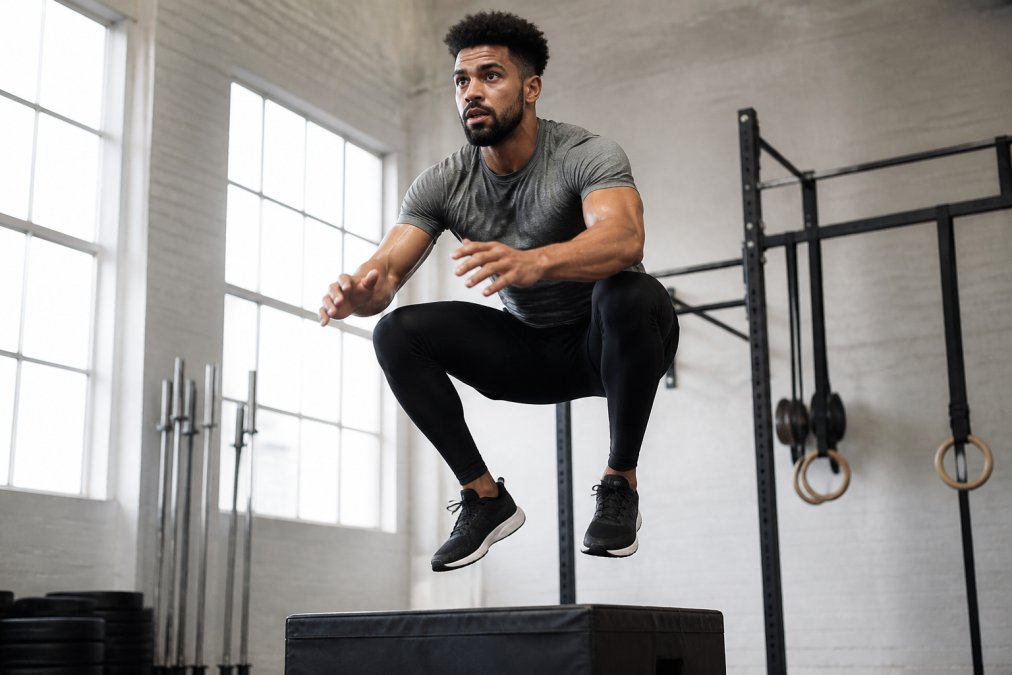
Performance fabrics like polyester blends and nylon are the foundation because they are hydrophobic, repelling water rather than absorbing it, allowing sweat to move to the fabric's surface where it can evaporate. A common mistake is choosing gear based only on how it looks; the real test is whether the garment offers four-way stretch and flatlock seams that prevent chafing during high-impact movements.
Quick Comparison: Top Workout Apparel Picks for HIIT
The real differentiator in high-intensity gear is how specific fabrics and construction details perform under repeated, explosive stress. Here is a more technical breakdown of what to look for in each category.
| Apparel Category | Optimal Fabric Composition | Critical Construction Detail | Performance Benchmark | Best For |
|---|---|---|---|---|
| Compression Tops | 75-85% nylon, 15-25% spandex | Flatlock seams at the shoulders and sides; mesh paneling under the arms or across the upper back | Should retain shape after 50+ washes; fabric should not pill under friction from a barbell or battle ropes | Olympic lifting, sprint intervals, any movement where you want proprioceptive feedback |
| Loose-Fit Training Shorts | 100% polyester with a DWR (durable water repellent) finish or a 4-way stretch woven | Gusseted crotch for full range of motion; laser-cut perforations or mesh vents along the outer thigh; internal liner or brief | Should not ride up during broad jumps; hem should sit above the knee to avoid catching on boxes | Plyometrics, agility ladder work, hot gyms where airflow is the priority |
| Form-Fitting Tees | Recycled polyester with a honeycomb or waffle knit structure | Raglan sleeves for shoulder mobility; bonded hems to reduce bulk; anti-microbial finish (silver-ion or zinc-based) | Fabric should dry in under 20 minutes in a warm room; should not become translucent during overhead movements | General HIIT circuits, CrossFit-style metcons, moderate to warm environments |
| Training Tights | Nylon/spandex blend with a brushed interior or a high-compression knit | Flatlock seams along the inner leg; a high-rise waistband that stays put during burpees; no center seam in the crotch | Should not slide down during box jumps; compression should feel graduated, tighter at the ankle than the waist | Leg-dominant sessions, sled pushes, long-duration interval work |
What the Table Doesn't Tell You
The table above is a starting point, but the most important variable is how a garment feels after 20 minutes of work. A common pattern among athletes who train HIIT multiple times per week is to own two versions of each category: one for strength-biased days and one for metabolic conditioning.
The Testing Protocol We Recommend
Before committing to a full wardrobe, buy one piece from a category and run it through a 30-day trial. Wear it for at least three different types of sessions: a strength-focused day, a plyometric day, and a long conditioning day. Evaluate it on four criteria: 1) Does it stay in place during explosive movements? 2) Does it feel dry within 10 minutes of finishing? 3) Does it retain its shape after washing? 4) Does it develop a persistent odor after repeated use? If a garment fails on any of these, it is not suitable for high-intensity training, regardless of brand reputation or price point.
Why Moisture-Wicking Workout Clothes Are Non-Negotiable
Moisture-wicking workout clothes are the single most important investment you can make for HIIT because they directly regulate your body's cooling system. When sweat evaporates off the skin, it carries heat away; fabric that traps sweat disrupts this and causes your core temperature to climb faster. This is why cotton is the worst possible choice for interval training, it absorbs up to seven times its weight in water and stays wet against the skin (peer-reviewed research).
Technical fabrics solve this through capillary action, a structure of fine fibers that pulls moisture outward where it spreads across a larger surface area for faster evaporation. The practical difference is immediate: you finish a round of burpees feeling damp but not drenched, and your shirt does not stick to your chest during the next set. Look for terms like "sweat-wicking," "quick-drying," and "performance fabric" on labels, and prioritize polyester or nylon blends with at least some spandex for stretch. According to guidance from the American Council on Exercise on workout clothing, choosing breathable, moisture-managing fabrics helps maintain comfort and focus during intense training sessions.
The Benefits of Compression Clothing for Athletes
Compression clothing offers measurable benefits for high-intensity training beyond simply feeling snug. The graduated pressure supports muscle stabilization, reducing the vibration of muscle tissue during high-impact movements like jumping and sprinting. This translates to improved proprioception, your body's awareness of its position in space, which helps you maintain proper form during complex movements.
Research on compression also points to enhanced blood circulation, which supports oxygen delivery to working muscles. Many athletes report reduced muscle soreness in the days following a hard session. The tradeoff is breathability: compression fabrics sit directly against the skin, so moisture management becomes even more critical. Choose pieces with ventilation zones or mesh panels in high-heat areas like the back and underarms to balance support with heat dissipation.
How to Choose HIIT Workout Clothes for Your Training Style
How to choose HIIT workout clothes starts with auditing your training split, because the demands of a plyometric session differ sharply from a hot-yoga-infused metabolic circuit. Match garment features to the specific stressors of your most frequent workouts, rather than buying one generic outfit for everything.
Apparel for Plyometrics and Explosive Movements
Plyometric training involves box jumps, squat jumps, and broad jumps, all of which place extreme demands on your lower body and create significant impact forces. For this modality, compression shorts or tights are the superior choice because they stabilize the quadriceps and hamstrings and prevent chafing from fabric bunching during explosive takeoffs. A top with a snug athletic fit, but not restrictive, allows full shoulder extension for movements like slam balls and burpees. Look for a waistband at least 3 inches tall on shorts to prevent rolling down during repeated jumps.
Gear for Circuit Training and AMRAP Sessions
Circuit training and AMRAP (as many rounds as possible) sessions are characterized by constant movement with minimal rest, often combining dumbbell work, rowing, and bodyweight movements. The primary challenge is managing sweat over a sustained 15-20 minute effort while allowing for rapid transitions between exercises. A lightweight, form-fitting tee with raglan sleeves is the optimal choice because it provides freedom of movement for both pressing and pulling movements. On the bottom, a 5-inch inseam short with a 4-way stretch woven fabric and a secure zip pocket works well.
Apparel for Strength-Biased HIIT
Strength-biased HIIT, such as EMOM (every minute on the minute) workouts with heavy kettlebell swings, thrusters, or deadlifts, requires apparel that can handle both heavy loads and cardiovascular stress. A thicker compression top (around 200 gsm fabric weight) provides the muscle support needed for loaded movements while still managing sweat. The key feature is reinforced stitching at the shoulders, where a barbell rests during front squats or cleans.
Gear for Hot and Humid Training Environments
Training in a hot garage gym or a non-air-conditioned space requires a different strategy: prioritize ventilation over compression. Loose-fit shorts with built-in liners and shirts with mesh back panels allow continuous airflow across your skin, supporting heat dissipation through evaporation. Light colors reflect radiant heat, so white or light gray tops are practical choices for summer training blocks. A loose singlet or tank top often outperforms a t-shirt because it exposes the armpits and torso, the body's primary heat-release zones. One often-overlooked detail: the fabric's knit structure matters as much as its fiber content. A mesh or waffle-knit polyester allows significantly more airflow than a flat-knit fabric of the same weight, even if both are labeled "breathable."
The Modality-Specific Checklist
Before you buy any piece of HIIT apparel, ask yourself which of these four formats you train most often. If you do a mix, prioritize gear that works across multiple modalities. Compression tights with flatlock seams work for plyometrics and strength-biased sessions, while a ventilated loose short is better for circuits and hot environments.
Fabric Science and Odor Control: Beyond Basic Polyester
Basic polyester works for moisture management, but it has a notorious weakness: odor retention. The synthetic fibers trap the bacteria that cause body odor, and once those bacteria colonize a garment, regular washing often fails to fully remove the smell. This is where anti-microbial treatments and specialized fabric technologies change the equation for athletes who train daily.
Modern performance fabrics incorporate silver-ion or zinc-based anti-microbial treatments that inhibit bacterial growth directly on the fiber surface. Some brands also use recycled polyester or plant-based fibers like bamboo lyocell, which offer comparable moisture-wicking performance with a lower environmental footprint. When shopping, look for fabrics labeled as anti-microbial or odor-controlled, and consider that looser weaves generally dry faster and harbor fewer odor-causing bacteria than dense compression knits. The Federal Trade Commission's guidance on textile labeling requires accurate fiber content disclosure, so checking the label tells you exactly what you are buying.
Extending the Life of Your HIIT Gear: Care and Maintenance
Performance apparel is an investment, and washing it incorrectly is the fastest way to ruin its technical properties. Fabric softeners are the primary culprit: they coat synthetic fibers with a waxy residue that blocks moisture-wicking channels and breaks down spandex elasticity over time. Skip fabric softeners entirely and wash performance gear in cold water on a gentle cycle.
Air drying is similarly critical, because high heat from a dryer degrades elastane and can melt or warp synthetic fibers. Hang garments away from direct sunlight to prevent UV damage. For odor management, a sport-specific detergent or a vinegar rinse helps break down the bacterial biofilm that regular detergent leaves behind.
Conclusion: Build Your High-Intensity Training Wardrobe
Building the right high-intensity training wardrobe does not require a massive budget, but it does require intentional choices about fabric, fit, and care. Start with two or three moisture-wicking tops and one pair of compression tights, then add loose-fit shorts for hot environments and a ventilated layer for outdoor sessions. Prioritize polyester and nylon blends with anti-microbial treatments, skip cotton entirely, and care for your gear properly.
Pairing the best workout apparel for high intensity training with proper fueling completes the performance equation. At PureFitnessWarehouse.com, we stock technical apparel alongside pre-workout formulas designed for demanding sessions, including high-stimulant options like Bucked Up MOTHER BUCKER for advanced athletes and the clinically dosed Takeover Pre Workout for those who want full label transparency. Get started with PureFitnessWarehouse.com and build a training kit that supports every rep, set, and personal best.


Frequently Asked Questions
What is the best fabric to wear for gym workouts?
For high intensity training, prioritize synthetic fabrics like polyester and nylon blends. These materials are engineered for moisture-wicking, which pulls sweat away from your skin to keep you dry. Look for features like four-way stretch for a full range of motion and ventilation zones for added breathability. Avoid cotton, as it absorbs sweat, becomes heavy, and can cause chafing during intense sessions.
How does compression gear benefit high-intensity interval training?
Compression clothing offers several benefits for high-intensity interval training. The primary advantage is improved muscle stabilization, which can reduce muscle oscillation during high-impact movements like plyometrics. This support can also enhance blood circulation, potentially delivering more oxygen to working muscles. Many athletes also find that compression gear aids in proprioception, or body awareness, which helps maintain proper form during complex exercises.
What features should I look for in workout apparel for explosive movements?
For explosive movements like plyometrics and sprints, your apparel needs to move with you without restriction. Prioritize items with a four-way stretch fabric and an athletic or form-fitting cut that won't snag or flap. Look for flatlock seams to prevent chafing and consider garments with a gusseted crotch for a full range of motion. A secure waistband that stays in place during jumps is also essential.
Are there specific clothing brands that specialize in HIIT gear?
While many major athletic brands offer HIIT-appropriate gear, the best approach is to focus on garment features rather than brand names. Look for technical gear explicitly designed for high-intensity and cross-training modalities. These products often highlight their moisture-wicking properties, strategic ventilation, and durable construction. The right piece from any brand will outperform a basic cotton tee from a premium label.
This article was written using GrandRanker