

Table of Contents
- Why Muscle Recovery After Lifting Matters
- Post-Workout Nutrition for Muscle Growth
- Hydration and Electrolyte Balance for Recovery
- How Much Sleep for Muscle Recovery
- Active Recovery and Light Exercise Between Workouts
- Best Supplements for Muscle Soreness and Recovery
- Stretching, Massage, and Myofascial Release Techniques
- Monitoring Recovery With Wearable Trackers
- Frequently Asked Questions
Last Updated: August 31, 2026
Why Muscle Recovery After Lifting Matters
Muscle recovery is an active process where your body repairs micro-tears in muscle fibers, replenishes energy stores, and adapts to training stress. Without proper recovery, you sacrifice gains and increase injury risk.
The real work happens outside the gym. Your workout creates the stimulus; recovery is where adaptation occurs. At PureFitnessWarehouse.com, athletes who treat recovery as seriously as their training sessions often see measurable improvements in strength progression, reduced soreness, and better consistency week to week.
Muscle protein synthesis, the process where your body builds new muscle tissue, peaks within the first few hours after training and remains elevated for up to 48 hours (peer-reviewed research). Missing this window means sacrificing the adaptation your workout was designed to trigger. The strategies outlined below address the major recovery modalities that move the needle: nutrition timing, hydration, sleep quality, active recovery, and targeted supplementation.
Post-Workout Nutrition for Muscle Growth
What you eat in the hours after lifting directly influences whether your body builds muscle or simply repairs damage. Post-exercise nutrition halts the catabolic state your body enters during training and provides raw materials for muscle protein synthesis.
Protein Timing and Muscle Protein Synthesis
Protein intake after lifting accelerates muscle protein synthesis, the mechanism by which your body constructs new muscle tissue. Consume 20-40 grams of protein within two hours after your workout (peer-reviewed research). Whey protein isolate is particularly effective because it contains high levels of leucine, the amino acid most directly responsible for activating muscle protein synthesis.
The timing matters less than total daily protein intake, but the post-workout window is valuable real estate. Your muscles are primed to accept nutrients, your blood flow is elevated, and your body is actively signaling for repair. PureFitnessWarehouse.com carries a Chocolate Whey Isolate Protein Powder specifically formulated to support this recovery window, 24 grams of pure whey isolate per serving with minimal additives, designed for athletes who want fast absorption without bloat.

Carbohydrates and Glycogen Replenishment
Carbohydrates after lifting replenish muscle glycogen, the stored energy your muscles burned during the workout. This matters most if you're training again within 24 hours or performing high-volume sessions.
Consume 0.5-1 gram of carbohydrate per pound of body weight in the post-workout meal, paired with protein to amplify the insulin response. White rice, potatoes, oats, or fruit all work. A lifter weighing 180 pounds should aim for 90-180 grams of carbs post-workout if training again the next day. If you're doing a single session and resting for 48 hours, daily carb intake matters more than the post-workout window.
Many lifters skip carbs thinking they'll reduce body fat, then wonder why their energy and recovery tank. Glycogen depletion doesn't help fat loss; it impairs recovery and performance.
Hydration and Electrolyte Balance for Recovery
Sweat loss during training depletes both water and electrolytes, sodium, potassium, and magnesium chief among them. Rehydrating with plain water alone is incomplete.
Drink half your body weight in ounces of water daily, then add another 16-24 ounces for every pound of body weight lost during training. Consume electrolytes within 30 minutes after training. Sodium drives water retention and supports nerve signaling. Potassium regulates muscle contractions. Magnesium supports muscle relaxation and energy production.
PureFitnessWarehouse.com offers Rapid Rehydr8 Electrolyte Capsules, which deliver sodium, potassium, and magnesium in capsule form, no mixing required. For lifters who experience cramping or persistent muscle tension, this can address the root cause.

How Much Sleep for Muscle Recovery
Sleep is where the actual muscle-building happens. During deep sleep, your body releases growth hormone, reduces cortisol, and consolidates the neural adaptations your training created.
Target 7-9 hours nightly. Lifters sleeping 5-6 hours may see slower strength gains and higher injury rates compared to those getting 8+ hours (peer-reviewed research).
Sleep quality matters as much as quantity. Maintain a consistent sleep schedule, keep your bedroom cool (around 65-68°F), and avoid screens 30-60 minutes before bed. Blue light suppresses melatonin, the hormone that regulates your sleep-wake cycle.
For lifters struggling with sleep, magnesium can help. PureFitnessWarehouse.com carries Magnesium Glycinate 500mg, a highly bioavailable form that supports both muscle relaxation and sleep quality without digestive side effects. Take it 60-90 minutes before bed.


Active Recovery and Light Exercise Between Workouts
Active recovery isn't about pushing intensity. It's about moving your body at low effort to increase blood flow, reduce muscle soreness, and accelerate the removal of metabolic byproducts without creating additional training stress.
The best forms include walking, light cycling, swimming, or easy yoga, anything that elevates your heart rate to 50-60% of max without creating muscular fatigue. Perform active recovery on off days or as a 10-15 minute session after your main workout.
Increased blood flow delivers oxygen and nutrients to damaged muscle tissue, speeds up the removal of lactate and metabolic waste, and reduces central nervous system fatigue. You'll feel less sore, recover faster, and be ready for your next hard session sooner.
A common mistake is conflating active recovery with cardio. They're not the same. Cardio creates its own training stress and can interfere with strength recovery if overdone. Active recovery should feel easy; you should be able to hold a conversation comfortably.
Best Supplements for Muscle Soreness and Recovery
Supplements aren't a replacement for proper nutrition, sleep, and training, but they can fill specific gaps and accelerate recovery when used strategically.
Protein Powder for Muscle Repair
Whey protein isolate remains the gold standard for post-workout recovery. It's rapidly absorbed, contains all nine essential amino acids, and delivers high levels of leucine. If you're training regularly and struggling to hit your protein targets through whole food alone, protein powder is the most cost-effective solution.
Isolate undergoes additional processing to remove lactose and fat, resulting in faster absorption and fewer digestive issues. For post-workout use, isolate is often preferred. PureFitnessWarehouse.com's Chocolate Whey Isolate delivers 24 grams of protein per serving with minimal additives. Mix it with water or milk immediately after training for rapid delivery of amino acids when your muscles are primed to accept them.
Electrolytes and Magnesium for Cramping and Tension
Muscle cramps and persistent tension often indicate electrolyte depletion or magnesium deficiency. Most lifters don't consume enough electrolytes to match their sweat loss, especially during high-volume leg training or hot weather workouts.
The Rapid Rehydr8 Electrolyte Capsules replenish sodium, potassium, and magnesium within 30 minutes post-workout.
For ongoing magnesium support, Magnesium Glycinate 500mg taken daily (especially before bed) reduces muscle tension, improves sleep quality, and supports the hundreds of enzymatic reactions your body performs during recovery. Glycine-chelated magnesium is more bioavailable than other forms.
Tart Cherry and Antioxidants for Inflammation
Intense training creates microscopic muscle damage and inflammatory response, which is necessary for adaptation, but excessive inflammation delays recovery. Tart cherry extract contains anthocyanins and other polyphenols that reduce exercise-induced inflammation and oxidative stress.
Research suggests tart cherry supplementation reduces delayed onset muscle soreness (DOMS) and accelerates recovery of muscle strength. The typical dose is 12-24 ounces of tart cherry juice or 500-1000mg of concentrated extract daily, particularly useful in the 24-48 hours following high-volume training.
PureFitnessWarehouse.com carries Tart Cherry (60 Count), a concentrated formula designed for athletes. One serving provides the antioxidant equivalent of multiple servings of whole tart cherries without the sugar load or preparation time.
Stretching, Massage, and Myofascial Release Techniques
Static stretching immediately after training is less effective than once believed. Instead, focus on gentle mobility work post-workout and deeper stretching 6+ hours later when your nervous system has settled.
Post-workout approach: 5-10 minutes of light static stretching targeting the muscles you trained, holding each position 20-30 seconds without pushing into pain. This promotes blood flow and signals your nervous system to begin recovery.
Later in the day: deeper stretching sessions 1-2 minutes per muscle group, performed when you're less fatigued. This improves range of motion and reduces chronic tension without interfering with the acute recovery window.
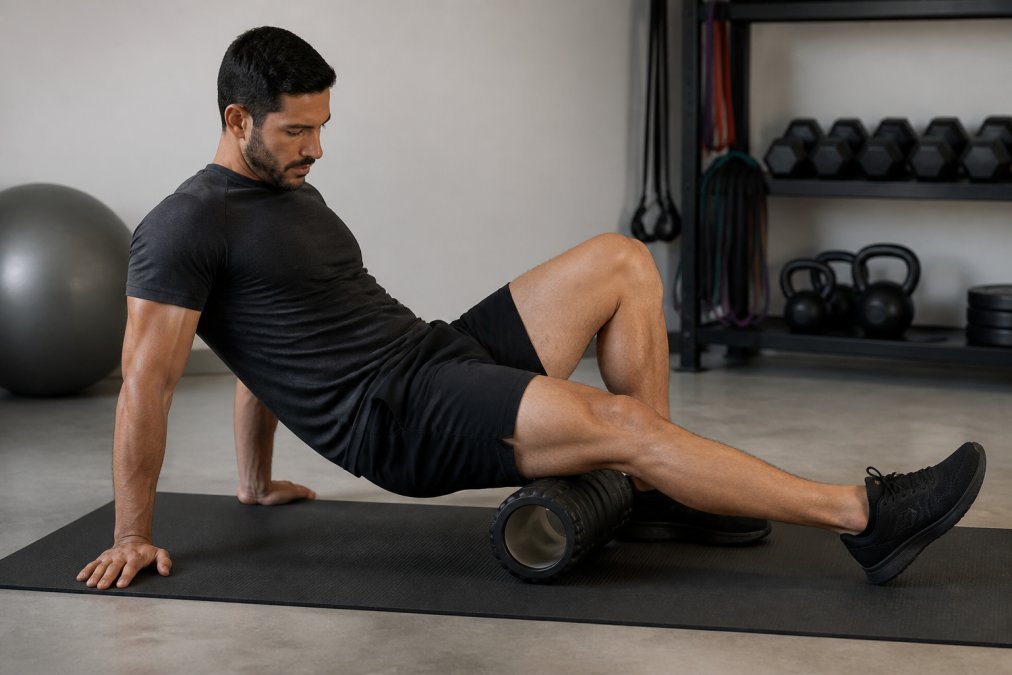
Myofascial release using a foam roller addresses trigger points and breaks up adhesions in muscle fascia. Roll slowly over each muscle group for 60-90 seconds, pausing on tender spots for 10-15 seconds. Perform this 6+ hours post-workout or on active recovery days.
Massage therapy accelerates recovery by increasing blood flow, reducing muscle tension, and promoting the removal of metabolic waste. Even 10-15 minutes of self-massage helps. Professional massage 24-48 hours post-workout can provide deeper benefits.
The hierarchy of effectiveness: sleep and nutrition > active recovery > stretching > massage. Don't skip the fundamentals chasing advanced techniques.
Monitoring Recovery With Wearable Trackers
Wearable technology provides objective data on recovery metrics: heart rate variability, sleep stages, core body temperature, and training load. This data helps you identify when your body is actually ready for hard training versus when it needs another recovery day.
Heart rate variability (HRV) measures the variation in time between heartbeats. Higher HRV indicates better recovery and parasympathetic nervous system activation. Lower HRV suggests central nervous system fatigue and indicates you should dial back intensity.
Sleep tracking shows time spent in deep sleep and REM sleep, the stages most critical for recovery. If you're consistently getting less than 60-90 minutes of deep sleep per night, your recovery may be compromised regardless of total sleep duration.
Training load metrics quantify the accumulated stress from your workouts. When load exceeds your recovery capacity, injury risk rises and performance plateaus.
Wearables are tools for self-awareness, not prescriptive devices. They highlight patterns you can then address through nutrition, sleep, and training adjustments. Start by tracking sleep duration and quality, then add HRV monitoring once you understand your baseline. Look for weekly trends rather than obsessing over daily fluctuations.
| Recovery Modality | Best Timing | Frequency | Primary Benefit |
|---|---|---|---|
| Post-workout protein | Within 2 hours | After every session | Muscle protein synthesis |
| Hydration & electrolytes | Immediately post-workout | Every session | Cellular fluid balance |
| Sleep (7-9 hours) | Consistent schedule | Every night | Growth hormone release, adaptation |
| Active recovery | Off days or post-workout | 2-4x weekly | Blood flow, soreness reduction |
| Stretching (light) | Immediately post-workout | Every session | Mobility, nervous system signaling |
| Stretching (deep) | 6+ hours post-workout | 3-5x weekly | Range of motion, tension relief |
| Foam rolling | 6+ hours post-workout or off days | 3-4x weekly | Myofascial release, adhesion reduction |
| Magnesium supplementation | Before bed | Daily | Muscle relaxation, sleep quality |
| Tart cherry extract | Post-workout or before bed | Daily post-heavy training | Inflammation management |
| Wearable tracking | Continuous | Daily review | Recovery pattern identification |
Optimizing muscle recovery after lifting isn't complicated, it's consistent execution of the fundamentals. Most lifters see dramatic improvements in soreness, strength progression, and training frequency simply by prioritizing sleep, protein intake, and hydration. PureFitnessWarehouse.com provides the supplements and equipment that support each recovery pillar: whey protein isolate for muscle repair, electrolytes for hydration, magnesium for sleep and tension relief, and tart cherry for inflammation management. Start with one or two interventions, measure the results over 3-4 weeks, then add additional layers. The lifters who progress fastest aren't those chasing the latest recovery hack, they're the ones who nail the basics consistently.
Frequently Asked Questions
How much protein do I need after lifting to support muscle recovery?
Aim for 20-40 grams of protein within a few hours after your workout to support muscle protein synthesis. This amount triggers the repair process in muscle fibers damaged during training. Whey protein isolate, like the Minimo Nutrition Chocolate Whey Isolate available at PureFitnessWarehouse, delivers this amount in a single serving. Spacing protein intake throughout the day matters more than timing alone, consistent daily intake supports sustained muscle growth.
What's the difference between active recovery and complete rest days?
Active recovery involves light movement like walking, yoga, or swimming at low intensity, which increases blood flow and reduces delayed onset muscle soreness (DOMS) without taxing the central nervous system. Complete rest days allow your nervous system to fully recover and are necessary 1-2 times per week. Most athletes benefit from combining both: active recovery on off-days and full rest days every 7-10 days depending on training volume.
Can supplements actually reduce muscle soreness enough to train more frequently?
Yes, specific supplements address soreness through different mechanisms. Tart cherry reduces inflammation and oxidative stress from intense training. Magnesium glycinate supports muscle relaxation and electrolyte balance, reducing cramping. Electrolyte capsules replenish sodium, potassium, and magnesium lost during sweating. Combined with proper nutrition and sleep, these supplements can noticeably reduce DOMS severity, potentially allowing more consistent training frequency without excessive soreness.
How does sleep duration affect muscle recovery and growth?
Most athletes need 7-9 hours nightly for optimal recovery; muscle protein synthesis accelerates during deep sleep stages. During sleep, cortisol levels drop and growth hormone peaks, both essential for tissue repair. Poor sleep hygiene reduces these hormonal benefits and impairs recovery. Track your sleep patterns using wearable devices to identify if you're hitting the 7-9 hour target; if soreness persists despite good nutrition and training, insufficient sleep is often a factor.
This article was written using GrandRanker